Why 3 days at work is the big AI promise that Bezos, Dimon, and Gates can't stop talking about
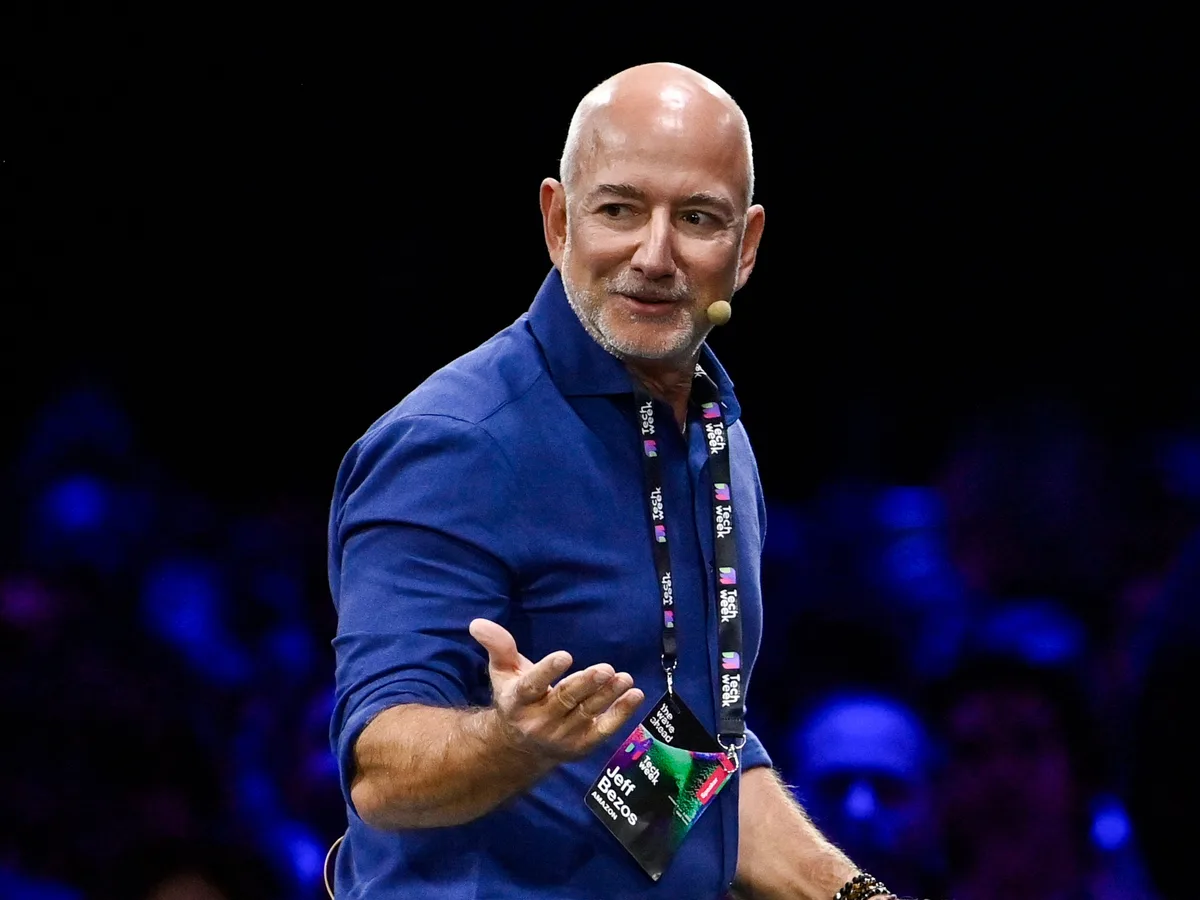
Amazon founder Jeff Bezos is the latest business leader to predict a shorter workweek.
Stefano Guidi/Getty Images Jeff Bezos, Jamie Dimon, and Bill Gates have all said that AI could shorten the workweek.
Elon Musk has said work will become "optional," while Sam Altman has said people will keep hustling.
A top economist told Business Insider that past innovations have led to people working much less.
Thursdays and Fridays off — forever? Business leaders can't stop talking about AI shortening the workweek, and there are good reasons why.
Jeff Bezos joined the chorus last week when he told Fox News that AI will boost workers' productivity, enabling them to do in three days what previously took them five.
"Some people will decide: 'I can support my family working three days a week,'" Amazon's founder and chairman said , adding that two-earner households might also become a choice instead of a necessity.
Similarly, Jamie Dimon has repeatedly predicted in recent years that the next generation will work only three and a half days a week.
The JPMorgan CEO said this spring that those future workers will be able to "hike more" and "do all the things" that their predecessors didn't have the time to do.
Eric Yuan made the same case to The New York Times last fall, when he said AI will shoulder more of the workload in the future.
"Every company will support three days, four days a week," the Zoom CEO said.
"I think this ultimately frees up everyone's time." Moreover, Bill Gates has said a few times in recent years that broad, free access to intelligence will change the nature of work, and some people might opt to "just work two or three days a week." Tech billionaire Mark Cuban of "Shark Tank" fame took a similar tack earlier this year, when he said that AI agents will cut people's workdays by "an hour to start." Elon Musk went much further last year, saying that advances in AI, robotics, and other technologies will make work "optional" and something people do for fun, like "playing sports or a video game." But he's warned this year of a " bumpy " transition to that leisurely future, and trumpeted government checks as the " best way " to replace incomes lost due to AI-driven unemployment.
OpenAI CEO Sam Altman.
Bloomberg/Getty Images Sam Altman has argued the opposite, saying this summer that people are too competitive, and enjoy striving too much, to work dramatically less.
5News aggregated this summary from the outlet’s public feed. The full article, with all the context, is on www.businessinsider.com — the content belongs to Business Insider.