ICE Is Getting Body Cameras. But Will They Help Hold Agents Accountable?
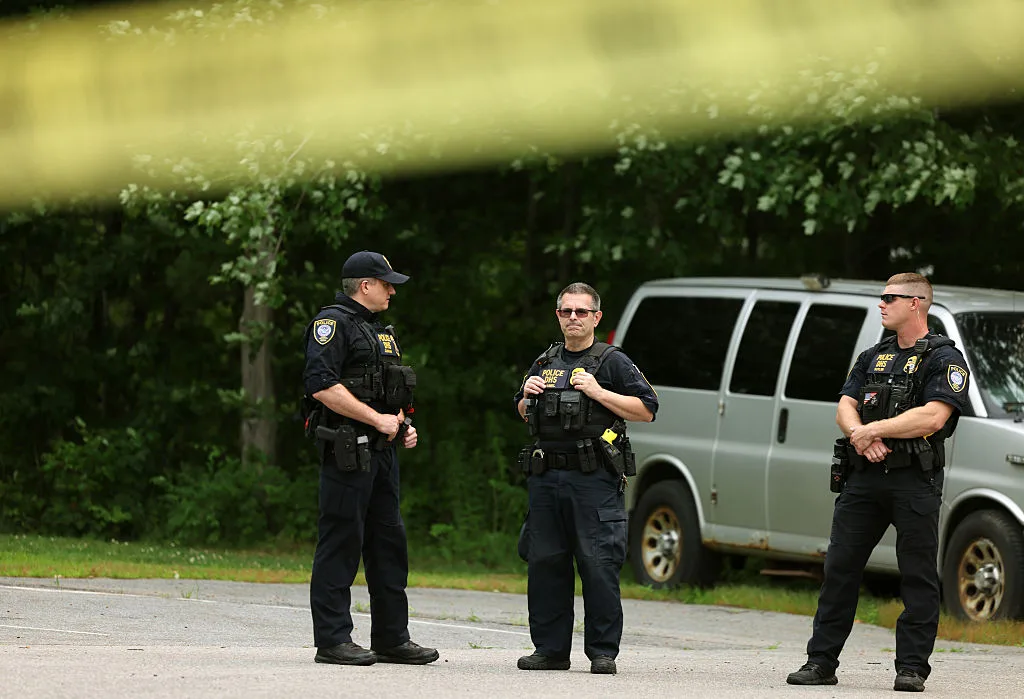
DHS agents survey the scene a day after an ICE agent shot and killed a man in Biddeford, Maine, on July 14, 2026. —Jessica Rinaldi—The Boston Globe All Immigration and Customs Enforcement (ICE) field agents will be equipped with body cameras by the end of the month, acting ICE Director David Venturella said.
However, the footage acquired by the devices would only be released to the public if it is in “the best interests of the agency,” according to ICE.
The policy raises questions about how body cameras are meant to be used in law enforcement, as well as whom they are meant to protect.
Venturella said in his statement last week that the body cameras would help the agency uphold its commitment to “transparency and accountability.” However, a spokesperson for ICE tells TIME that the body cameras are needed because “the media and sanctuary politicians consistently spread smears about our law enforcement.” This raises the question: Are the cameras meant to hold ICE agents accountable—or protect the agency? White House “border czar” Tom Homan indicated that the cameras could be useful for both purposes, saying “body cameras are the way to go” to increase transparency between the agency and the public—but they can also provide insights about split-second behavior under high pressure in the field.
“I think body cameras let the American people know what that officer sees when he takes that action,” Homan said on CBS’s Face the Nation in July.
On Fox & Friends Weekend that same month, he went further, saying that body cameras “exonerate more law enforcement than they convict.” Who they ultimately benefit largely depends on how they are used—in theory and in practice, experts tell TIME.
“Body-worn cameras are only as good as their policies,” says Christopher Schneider, sociologist and professor at Brandon University.
The policies governing body cameras must determine not only when agents are recording, experts say, but also what happens to the footage the cameras collect.
Kirk Burkhalter, a New York Law School professor and former detective with the New York Police Department, believes it is a smart move toward course-correcting after multiple fatal shootings this year by ICE.
He calls the rollout of body-worn cameras a “very important first step.” Why did ICE start using body cameras? Body cameras became a point of contention after two protesters were killed by Department of Homeland Security (DHS) officers in Minneapolis in January.
The deaths of Renee Good and Alex Pretti both led to disputes about what transpired and whether the use of force was warranted, leading DHS Secretary Kristi Noem to promise in February that agents would be equipped with body cameras going forward.
5News aggregated this summary from the outlet’s public feed. The full article, with all the context, is on time.com — the content belongs to TIME.