When not to watch a meteor shower — why I'm not staying up for the Orionids
I used to think being interested in the night sky meant I had to try every meteor shower.
If a calendar said "peak," I interpreted that as an instruction.
I'd set an alarm, find several layers of clothing and go outside at around 2:00 a.m. when even the neighborhood cats seemed surprised to see me.
Then I'd spend an increasingly resentful 45 minutes staring upward, occasionally see one meteor and wonder whether I was somehow doing it all wrong.
As I've grown into stargazing, I've become much more selective.
The Orionids peak next week, and normally I'd be tempted.
These fast meteors come from debris from Halley's Comet , which is enough of a connection to make almost anyone want to go outside.
However, another object is in the sky this year — a big, bright waxing gibbous moon that will brighten the night sky and make "shooting stars" very hard to see.
That doesn't make the Orionids unobservable.
In fact, there is a narrow window when the night sky will be free from moonlight.
But it does make me far less inclined to sacrifice an entire night for them, and I certainly won't be trying to spend the night camping under a dark sky in a remote rural location far from light pollution.
I've discovered that knowing when not to observe is an underrated stargazing skill.
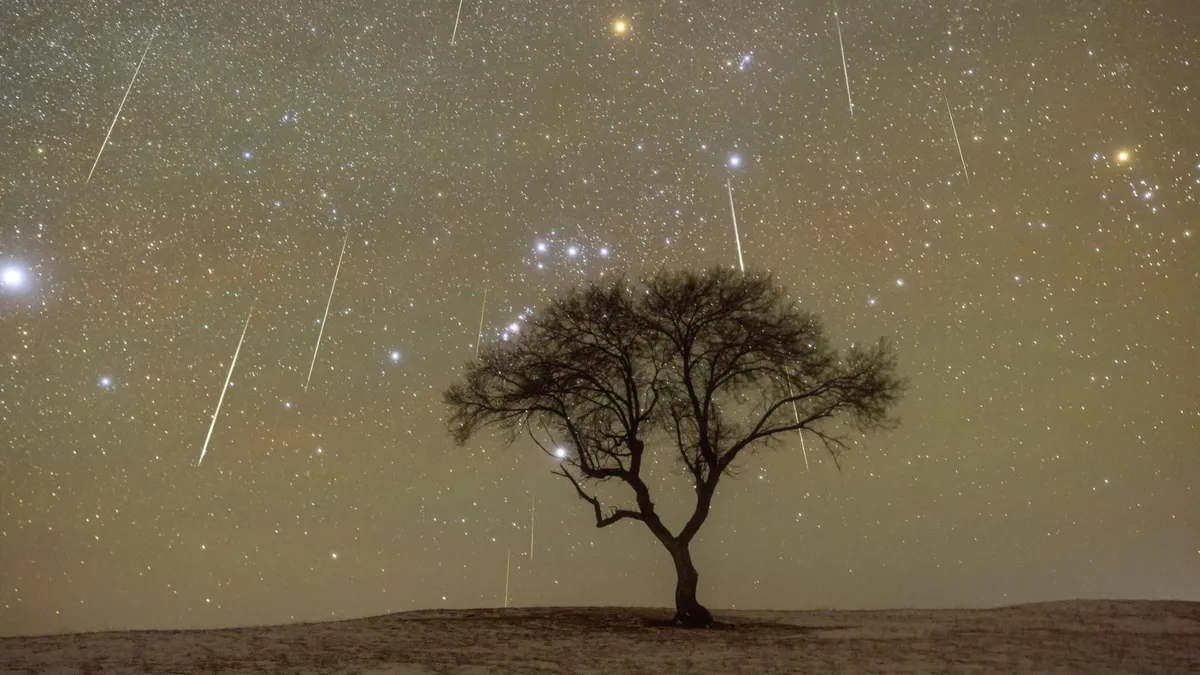
What's happening and when to look The Orionid meteor shower's radiant is the constellation Orion. (Image credit: Inigo Cia via Getty Images) The Orionids are active from Oct.
2 through Nov.
5News aggregated this summary from the outlet’s public feed. The full article, with all the context, is on www.space.com — the content belongs to Space.com.