The Supreme Court Put Efforts to Ban the Abortion Pill on Hold. Louisiana Decided It Can’t Wait That Long.
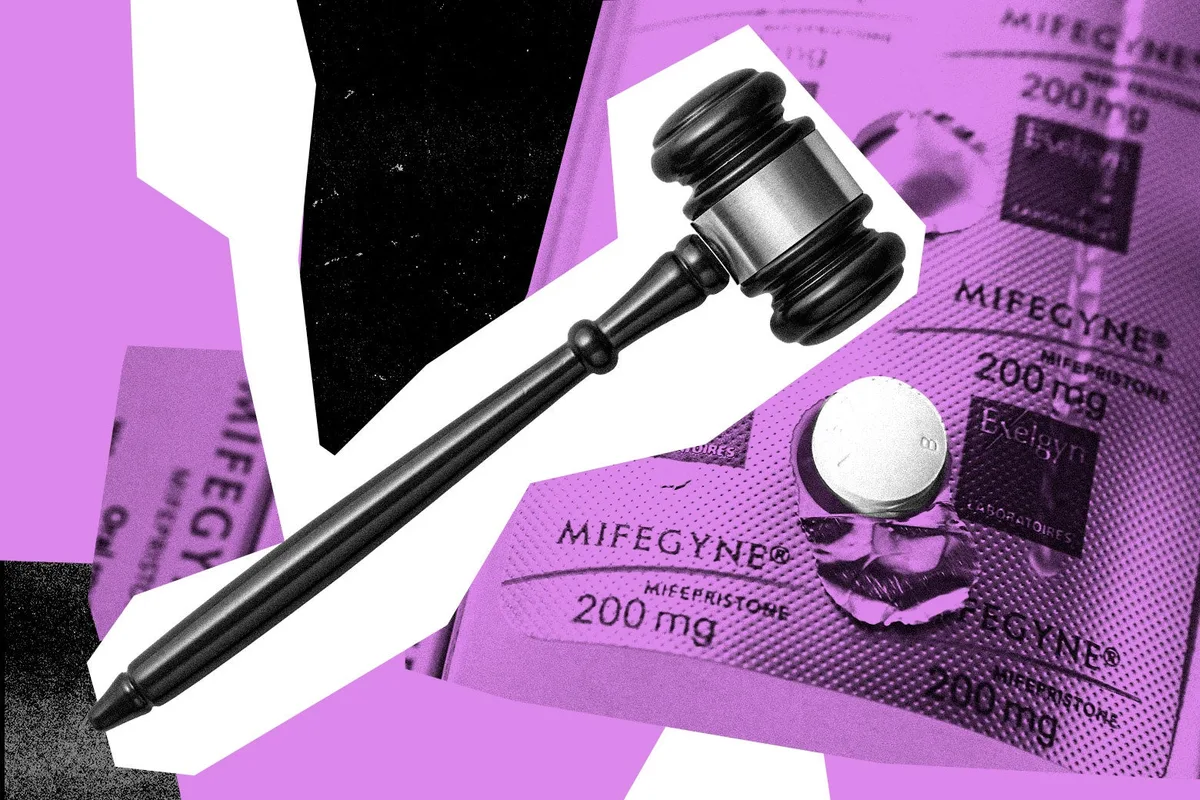
A major abortion case likely headed to the Supreme Court may be creating a sense of déjà vu. Louisiana is one of several states trying to shut down telehealth abortion access nationwide. The stakes are high. Telehealth accounts for roughly 30 percent of all abortions. Its availability is the reason that red states have struggled to enforce criminal abortion bans. Louisiana argues that the Food and Drug Administration acted arbitrarily and capriciously in 2023 in allowing telehealth access to mifepristone, the first of two pills used in the typical medication-abortion protocol. The state also argues that current rules violate the Comstock Act, a 19 th -century obscenity law that Louisiana characterizes as a de facto national abortion ban. The state is asking the 5 th Circuit to immediately pause telehealth access to mifepristone as the case continues.
The strange thing is that Louisiana asked the 5 th Circuit for the same thing last year. A different panel drawn from the judges of that court granted the state’s request and temporarily blocked telehealth access , but that order was slapped down by the Supreme Court, which last spring granted a request made by mifepristone’s manufacturers to leave access to the drug untouched . The court explained that the status quo on mifepristone would remain in place until the Supreme Court deals with a certiorari petition in the case or the 5 th Circuit rules on Louisiana’s current appeal.
And in that appeal, Louisiana is asking the 5 th Circuit for exactly what the Supreme Court said the state couldn’t have. Louisiana’s move seems to reflect a mixture of impatience and anxiety. Since the Supreme Court overturned Roe v. Wade, anti-abortion plaintiffs have struggled to establish that they have standing to sue. In the 5 th Circuit, Louisiana is not just looking for immediate changes to the rules on mifepristone; the state is also trying to make sure it doesn’t fall into the same standing trap when the case arrives at the Supreme Court.
In an earlier case filed by the Alliance for Hippocratic Medicine, an anti-abortion medical organization, a Texas district court and the 5 th Circuit found fault with the FDA before the Supreme Court unanimously held that the plaintiffs didn’t have standing to sue .
In the Louisiana case, Judge David Joseph concluded that the state was different. The doctors in the Alliance for Hippocratic Medicine case could only speculate about future injuries. The 2023 rules governing telehealth, by contrast, already made it hard for Louisiana as a sovereign to enforce its own criminal abortion ban, the court concluded, and Louisiana could show that it had spent tens of thousands of dollars on Medicaid patients suffering from mifepristone complications.
Joseph then relied on the logic of those earlier rulings—and the fact that the Trump administration won’t defend the current FDA rules on the merits—to conclude that Louisiana was eventually going to win. But Joseph also ruled that the FDA deserved a chance to impose new limits on mifepristone before being ordered to do so by the court.
5News aggregated this summary from the outlet’s public feed. The full article, with all the context, is on slate.com — the content belongs to Slate.