Scientists Found Chocolate’s Biggest Climate Problem—and It Isn’t Heat or Drought
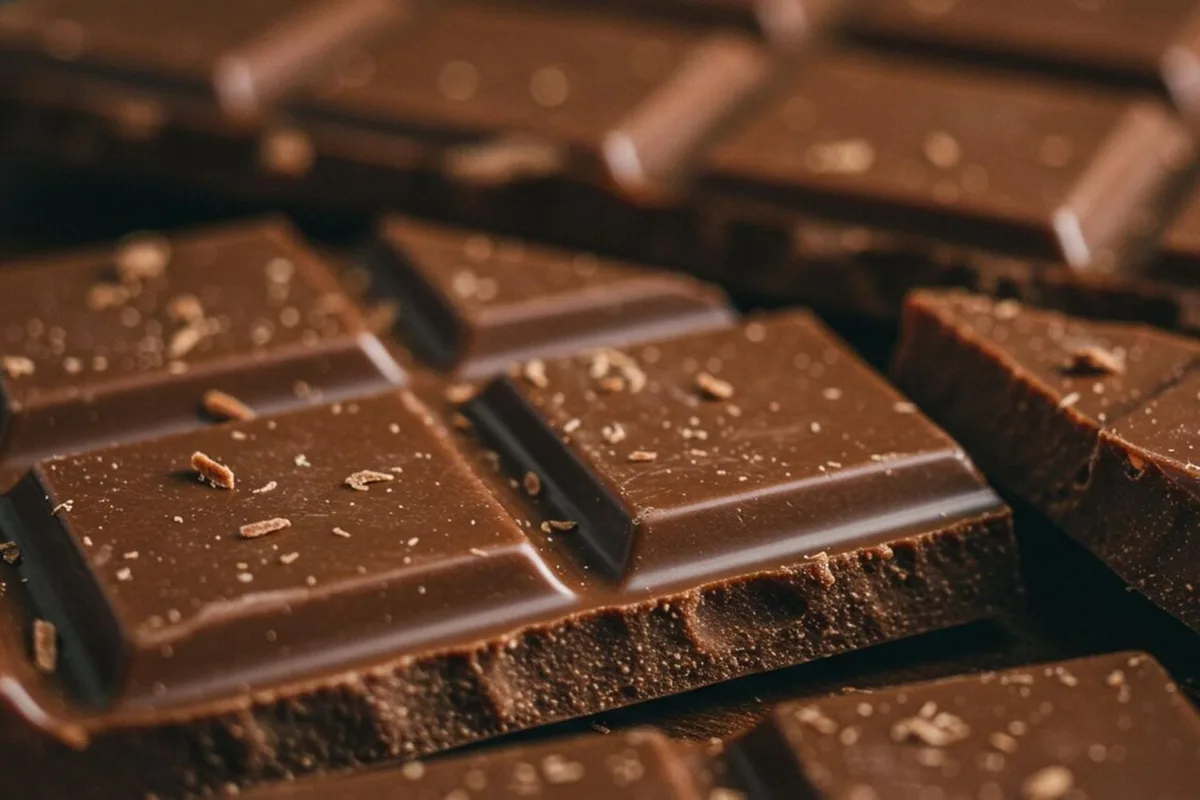
Chocolate is one of the most beloved foods in the world. To watch the rich delight disappear from candy shop shelves, trick-or-treat bags, and secret back-of-the-pantry stashes would be a travesty. But chocolate has a greater significance, too.
Cocoa is a global commodity that nearly 6 million smallholder farmers depend on, and climate change is upending their livelihoods. Chocolate lovers are feeling the impact on their wallets. The cost of raw cocoa tripled in 2024, pushing chocolate brands to raise their prices, reduce the size of their products, or opt for reformulated products.
A study published Monday in the journal Proceedings of the National Academy of Sciences reveals an overlooked threat to cocoa harvests. The findings suggest that heavy rainfall—not extreme temperatures or drought—is the biggest constraint on cocoa yields across major producing regions. The researchers hope that quantifying this “underappreciated risk” will help farmers better prepare for its impact.
“Heavy rainfall is potentially more actionable because it is an event that can be forecast,” Anna Lea Albright, who led the research as a postdoctoral fellow at the Harvard University Center for the Environment, told Gizmodo in an email. “If you know that a period of very heavy rain is expected during flowering or early pod development, there are actions that farmers can do to reduce the damage, particularly around drainage and disease management.”
In an article published last year, the authors of this new study explained that nearly all cocoa comes from the humid tropics, where the seasonal shift of a band of clouds known as the Intertropical Convergence Zone drives rainfall patterns. Warm temperatures and plentiful rainfall alternate with short dry seasons, and while cocoa trees are well-adapted to this regular variability, they are highly sensitive to extremes.
Scientists have long recognized heat and drought as threats to cocoa yields, but after analyzing district-level cocoa production records from Ghana alongside daily rainfall and temperature data, Albright and her colleagues found that heavy rain is actually the strongest climate risk to this crop.
“Heavy rainfall can hurt cocoa in several ways,” Albright explained. “Very wet conditions can interfere with flowering and the development of young pods, and they can also create conditions that are favorable for fungal diseases.”
“But the timing is really important,” she continued. “Cocoa is not equally sensitive to rainfall throughout the year. Heavy rain during flowering or early pod development can be much more damaging than the same amount of rain at another time.”
Long-term, human-driven climate change is substantially altering the timing and intensity of rainfall in the world’s cocoa-growing regions. For every 1.8 degrees Fahrenheit (1 degree Celsius) of global warming, the atmosphere can hold about 7% more moisture.
“You can think of it like a bucket that’s getting bigger: holding more water, so that when it does rain, more comes down at once,” Albright explained.
5News aggregated this summary from the outlet’s public feed. The full article, with all the context, is on gizmodo.com — the content belongs to Gizmodo.