What is analog TV and how is it different from digital TV?
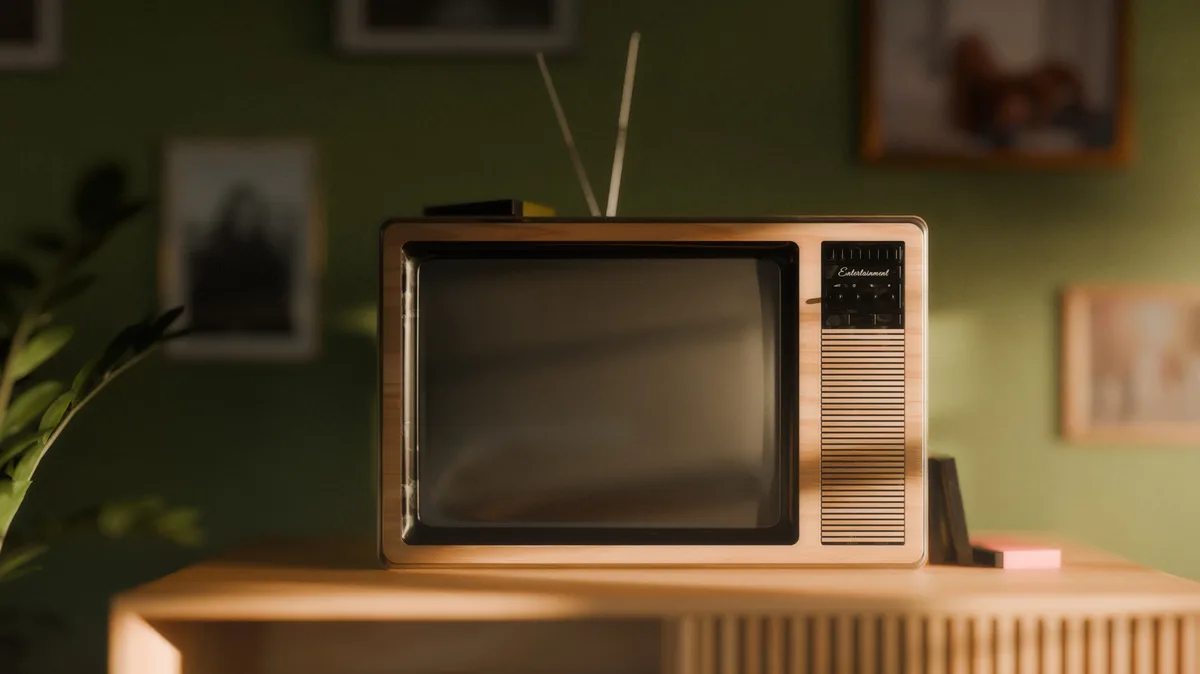
For younger audiences, parsing the differences between television broadcast technologies can be difficult. Analog, for instance, seems something born of an imagined past. But the technology persisted beyond the era when television boxes were the size of small sedans, as America's broadcasting network hadn't fully transitioned from the technology until 2009. Incredibly, this means that some users likely watched an analog broadcast while texting on their iPhone.
The transition to digital, meanwhile, has brought a host of improvements, ranging from high definition television to more consistent feeds. As it stands, television broadcasts are undergoing a similar evolution with the introduction of NextGen Television, or ATSC 3.0, which adds internet protocols to digital television broadcasting. Promising 4k resolution, enhanced multicasts, better audio and expanded channels, the NextGen TV transition looks to mirror the analog-to-digital move nearly two decades earlier. However, accessibility concerns plague the transition, with many advocates worrying that a hasty transition could strip millions of free television services. To put these changes in context, let's take a look back at the rise and fall of television technology that started it all: analog.
Analog video cameras convert light into electrical signals. Typically capturing these images at 30 frames per second in the US, the camera then converts these electric pulses into rows of pixels, which represent the colors and intensity of the visuals in the frame. These are then combined with horizontal and vertical synchronization signals to inform a television set where the transmitted rows should be displayed and when to start drawing a new frame. The signal that relays this arrangement, known as a composite video signal, is then broadcast over the airwaves on specific frequencies, which determine their corresponding channel. Sound was transmitted separately.
How these broadcasts make their way to your television mirrored the processes of traditional radio stations. Ultimately, each television station broadcast a paired visual and sound signal over ultra high and very high radio frequencies, with the AM channel carrying visual signals and the FM channel its sound. These combined frequencies make up the channel your analog television would tune into to watch.
At first, viewers could tap into television broadcasts via antennas that intercepted these broadcasted signals. Early cable, meanwhile, delivered these signals via coaxial cables directly to viewer's television sets. Analog cables transmit information via electric pulses whose amplitudes correspond to specific light or sound signatures.
Yuganov Konstantin/Shutterstock The best way to understand the difference between analog and digital is to view analog signals as continuous relays of information in which values can take on any number within a specific range. Digital transmissions, meanwhile, are known as discrete, meaning that they convert images and sounds into a binary code of ones and zeros, like code to program computer software.
5News aggregated this summary from the outlet’s public feed. The full article, with all the context, is on www.engadget.com — the content belongs to Engadget.