Canada is bolstering its defense industry as US relations fray
Canadian military spending is surging, with companies expanding into defense contracting
TORONTO -- As Canada moves to reduce its dependence on American military suppliers, the push is on display inside a Toronto garment factory.
Hunched over sewing machines, two workers rapidly stitch together pieces of camouflage-patterned fabric and Velcro strips. In the next room, workers snip stray threads as they inspect the finished product: helmet covers for the Canadian military.
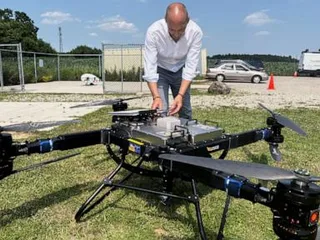
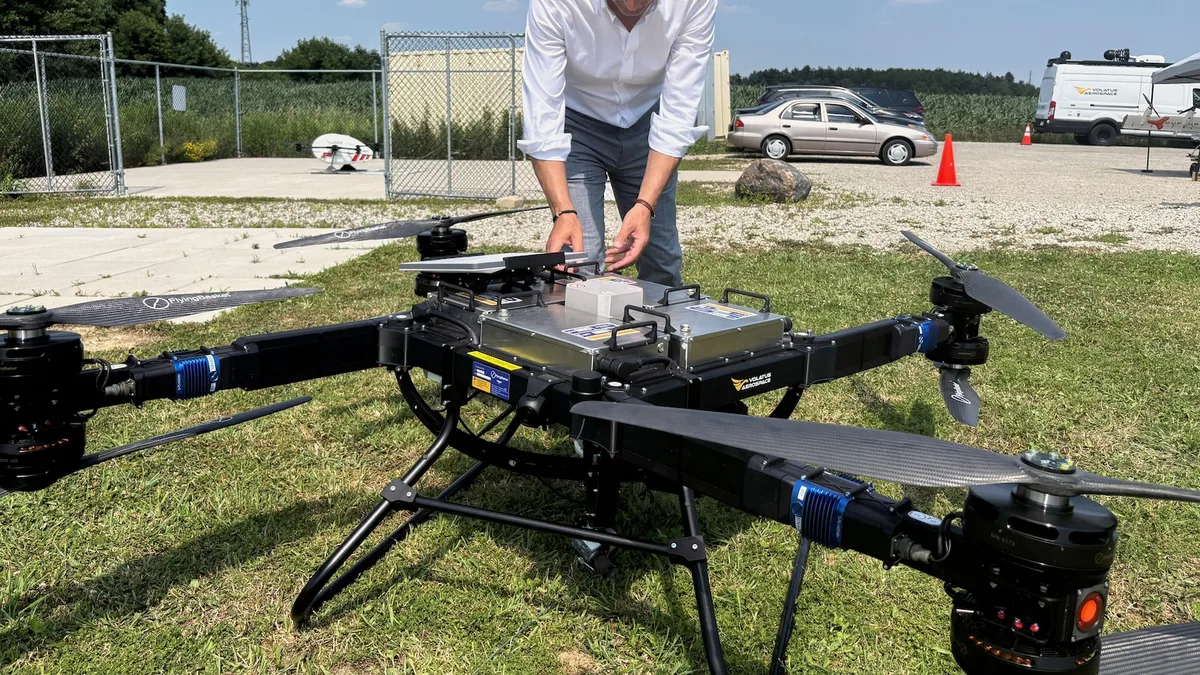
The factory is assembling uniforms for Wuxly, a luxury parka maker that is among a flurry of Canadian companies branching into defense contracting. As Canadian military spending surges, others are developing remote sensors for the country's vast Arctic region, making drones to resupply soldiers, and building autonomous robots.
The boom in the defense sector reflects Canadian Prime Minister Mark Carney's vow to strengthen the country's economic self-sufficiency amid fraying relations with Washington, including a fresh escalation this week with new rounds of tariffs.
Canadian startups and established companies, alongside firms in Europe, are set to benefit from tens of billions of dollars in extra defense funding, driven partly by pressure from U.S. President Donald Trump to contribute more to NATO . Canada's investment remains small compared with the Pentagon's budget, but its strategy aims to boost domestic defense capabilities, and not just U.S. contractors.
A defense industrial strategy released earlier this year by Carney represents a generational shift for Canada, which invented modern peacekeeping and had long been content to remain in the shadow of its southern neighbor on defense matters.
The defense plan earmarks an additional $60 billion in funding over the next five years, and the government has promised support for domestic businesses to sell into defense and security supply chains. Currently, Canada spends about $36 billion to $43 billion on national defense.
“The scale of investment that is involved is quite significant by Canadian standards, certainly in peacetime,” said Philippe Lagassé, an associate professor at Carleton University specializing in defense policy.
The defense boom is “quite evident at all the events we’re at. Every defense show (is) sold out. Lots of new companies and (other) industries coming into the (defense) industry, getting involved,” said Wuxly founder and CEO James Yurichuk.
Wuxly's helmet covers, destined for the Canadian Armed Forces, allow soldiers to attach call sign patches or gear like lights, cameras and beacons.
5News aggregated this summary from the outlet’s public feed. The full article, with all the context, is on abcnews.go.com — the content belongs to ABC News International.