A flawed system and one man’s hubris cost Meta shareholders $17 billion
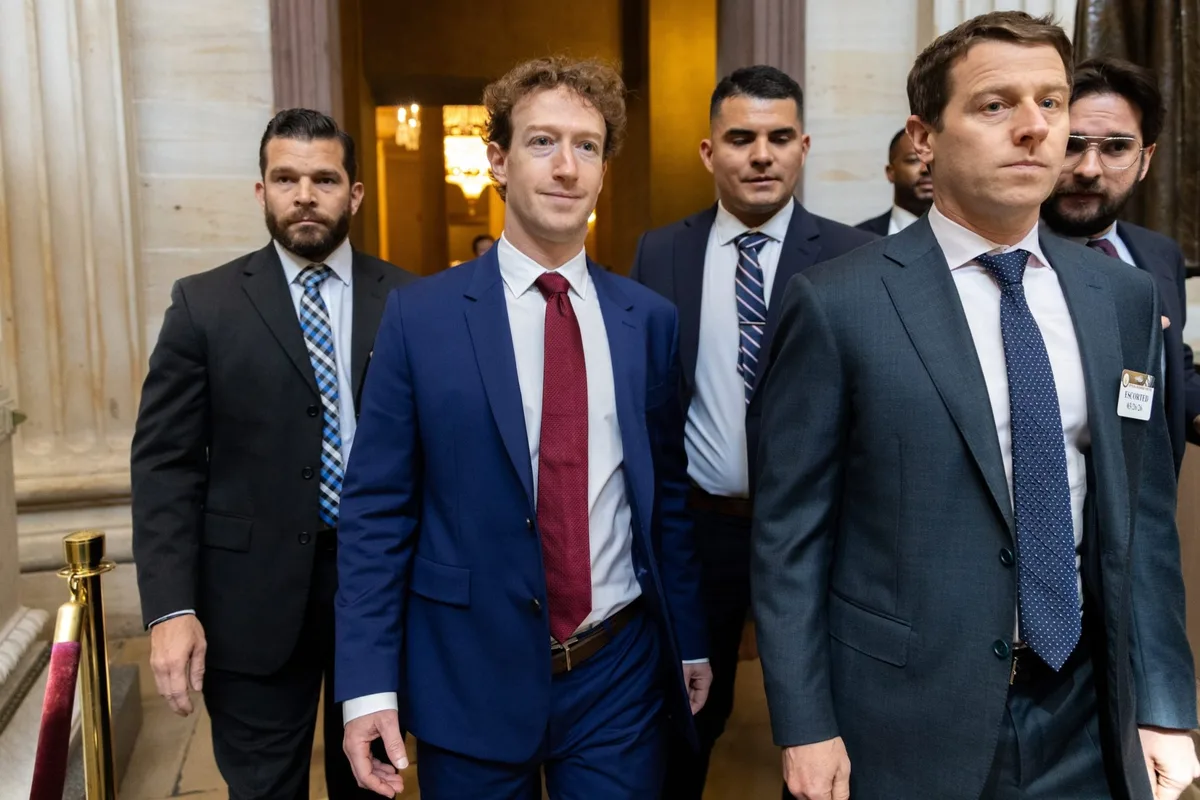
Meta has agreed to pay up to $17.1 billion to settle claims by 47 states and thousands of families making the case that Facebook and Instagram were engineered to addict children.
While the settlement appears to be a large sum, particularly for shareholders that will ultimately foot the bill, the number to understand in this story is 10.
That’s the number of votes Mark Zuckerberg gets for every share held by an ordinary shareholder.
He controls Meta through a dual-class stock system that gives him about 61% of the total voting power even though he owns just 13% of the company.
Understanding that misalignment is the key to understanding how this corporate and global crisis happened in the first place.
In 2019, my organization, As You Sow, filed a shareholder resolution documenting more than 45 million images of child sexual abuse and torture tied to sex trafficking on Facebook.
It filed resolutions for five consecutive years asking for the social network to protect its customers, employees, and shareholders, repair its fraying brand reputation, improve platform integrity, adopt self-regulation, and avoid the destruction of shareholder value associated with the serious and sometimes fatal harm that the company’s platform was enabling.
In 2020, faith-based investors brought a sex-trafficking survivor before Meta’s annual meeting, a woman groomed on Facebook between the ages of 15 to 18, then sexually trafficked.
That year we filed the “Reboot Facebook” proposal, asking the company to verify accounts, remove the abuse images, and stop running political ads containing known lies.
In 2021, our content governance resolution won 63.1% of the independent shareholder vote, but once Zuckerberg’s outsized votes were considered, the headline tally reported was 19%.
Two-thirds of shareholders – those who bear Meta’s financial risk — voted for the company to address these dangers before they became a crisis for shareholders.
One man’s vote overrode them all and now every shareholder and a generation of children are paying the price.
The settlement may seem large, but it may be just the tip of the iceberg.
The plaintiffs’ own models put the damages in the trillions; this payout, spread over 10 years, is roughly 2% of that — and it’s contingent.
5News aggregated this summary from the outlet’s public feed. The full article, with all the context, is on fortune.com — the content belongs to Fortune.