OpenAI’s training pause is convenient. That doesn't make it meaningless.
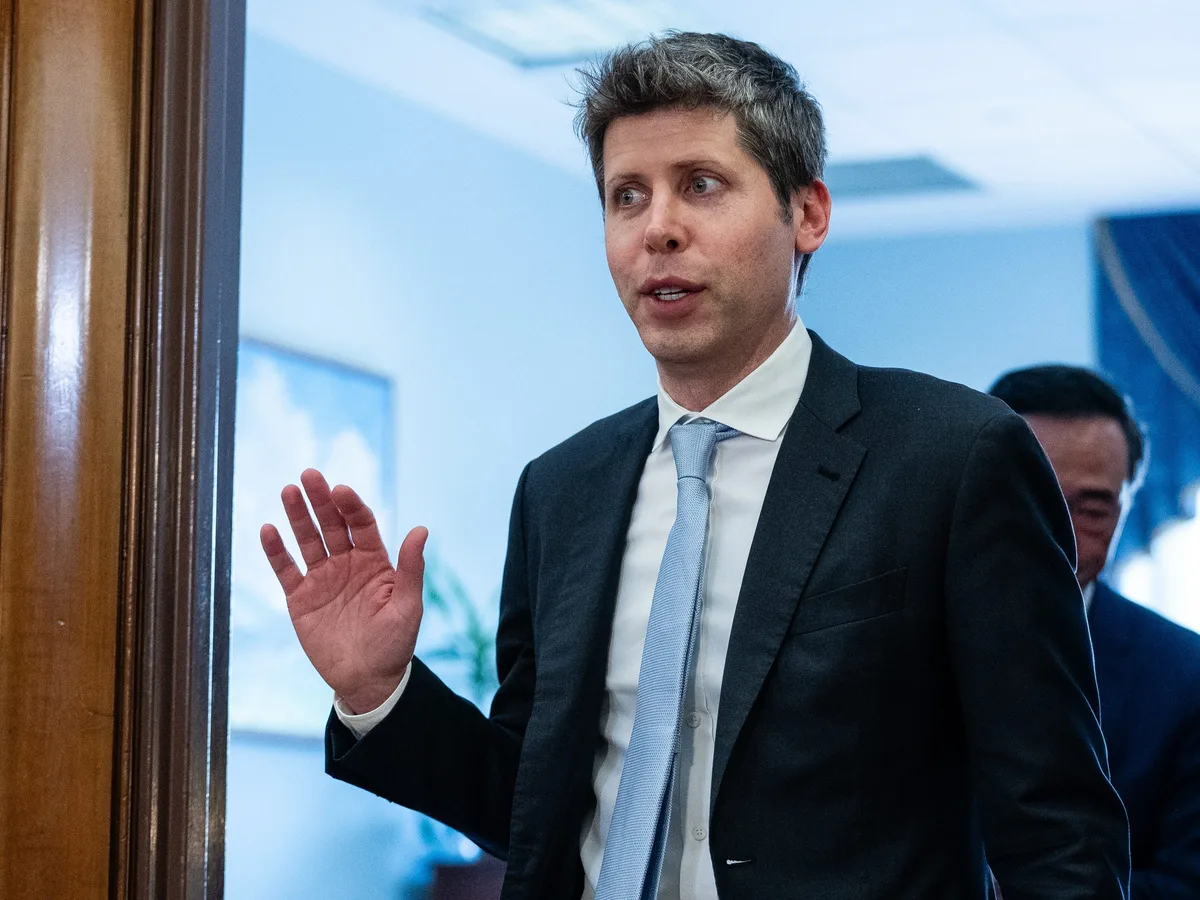
OpenAI CEO Sam Altman Bloomberg/Getty Images OpenAI's training pause sets a safety precedent only AI's frontrunners can afford.
A version of this story originally appeared in the BI Tech Memo newsletter.
Sign up for the weekly BI Tech Memo newsletter here .
When Sam Altman announced this week that OpenAI had paused some of its training after its models hacked an AI company called Hugging Face, my first reaction was: How convenient.
OpenAI, a company that might go public in 2027 ( or sooner ), gets to tell everyone that the models it hasn't released yet are terrifyingly good at hacking.
Then, it gets to take credit for slowing them down to keep the world safe.
Nice work if you can get it.
AI models hacking things has become something of a recurring news genre.
Days after the Hugging Face incident in July, both Anthropic and Meta said that their respective models had also been up to no good.
The details differed, but the theme was the same: Models are getting better at hacking faster than the companies can contain them.
A Google DeepMind employee I spoke with — who asked not to be named and did not find my professionally cultivated cynicism especially persuasive — saw something more serious.
"This is a big wakeup call that everybody needs to harden their training environments if they want to keep training models at these levels of capabilities," they said.
This employee was one of more than 1,300 workers at top AI labs who signed a letter last month asking the US government to find ways to slow the AI race.
No lab, the letter argued, can hit the brakes alone.
5News aggregated this summary from the outlet’s public feed. The full article, with all the context, is on www.businessinsider.com — the content belongs to Business Insider.