The scammer at your doctor's office may already know who you are
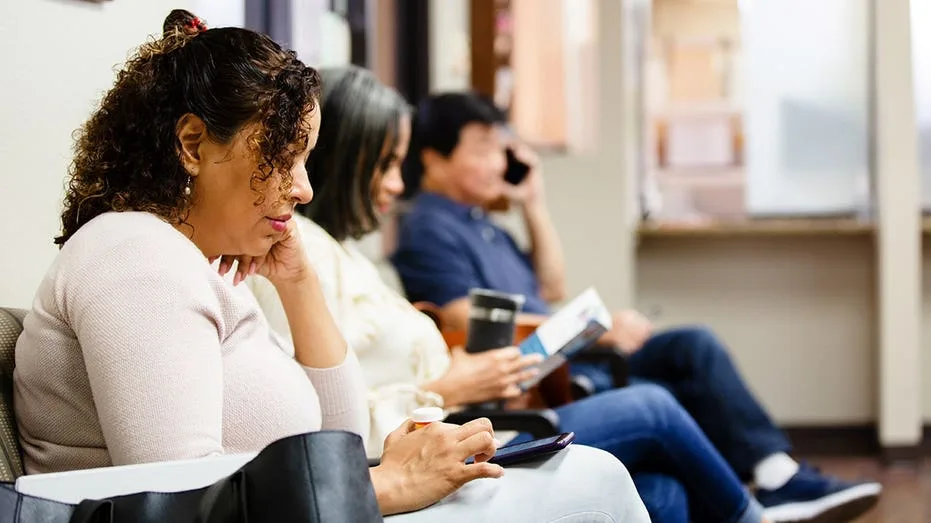
You arrive at your doctor’s office and see a sign asking you to scan a QR code to check in.
Later, you receive a text about a prescription.
A Medicare notice with your name and address arrives in the mail.
Before you leave, another QR code asks you to pay for parking.
All of it looks routine.
That’s exactly what can make these scams so dangerous.
Criminals aren’t limited to sending obvious phishing messages to random people.
Personal information available through data brokers and people-search websites can help scammers create medical, Medicare and payment scams that look like they were meant specifically for you.
Then a QR code gives them an easy way to send you to a convincing fake website asking for your Medicare number, patient portal login, credit card information or other sensitive data.
Here’s what to watch for during your next trip to the doctor’s office and one important step that can make you harder for scammers to target in the first place.
New! Free live CyberGuy class: Protect Your Money From Today’s Biggest Threats Join us Saturday, Aug.
29, at 10 a.m.
ET for a free CyberGuy LIVE class covering five simple steps to help defend yourself against AI scams, fraud, identity theft and financial hacks.
Kurt "CyberGuy" Knutsson will explain how to set up bank alerts, strengthen your account logins, protect your phone number, freeze your credit and help secure your retirement savings against unauthorized transfers.
5News aggregated this summary from the outlet’s public feed. The full article, with all the context, is on www.foxnews.com — the content belongs to Fox News.