Tupac Trial Closings: Prosecutors Call ‘Keffe D’ Murder Mastermind, Defense Calls Case ‘A Fiction’
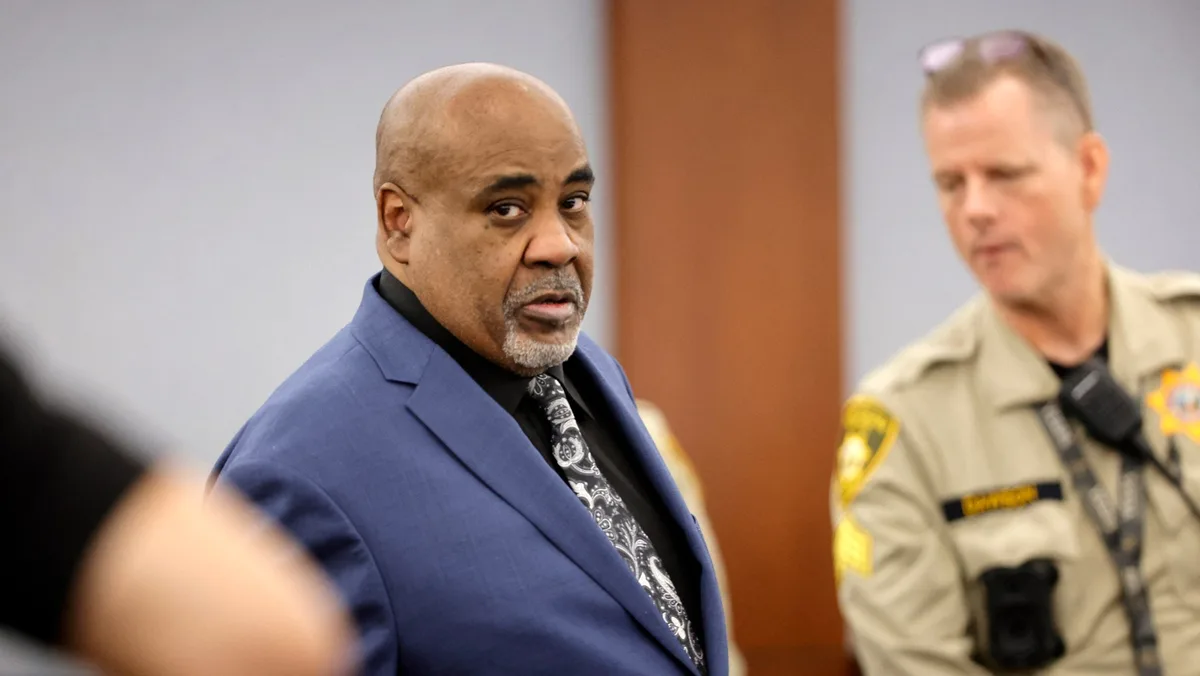
Prosecutors argued Monday that their murder case against Duane “ Keffe D ” Davis rested on far more than his own words about Tupac Shakur ’s 1996 killing. His defense lawyer countered that Davis had lied for years to police, TV producers, and podcasters, and that without those stories, there was not enough evidence to convict him.
“This was a case about gang retaliation and revenge,” Clark County Deputy District Attorney Binu Palal told jurors Monday during his closing argument at Davis’ murder trial in Las Vegas. “This case is drenched with circumstantial evidence even beyond Mr. Davis’ statements.”
Palal started with a “little experiment,” highlighting only the evidence presented during the two-week trial that did not rely on the secret police interview Davis gave to Los Angeles police in 2008 in which he described himself as the mastermind behind the shooting of Shakur on Sept. 7, 1996. (Davis gave the account under a proffer agreement while seeking leniency in an unrelated drug case.) The interview was intended to remain confidential, but the recorded interview was admitted at trial after Davis repeated the details in a BET docuseries , other media interviews, and his memoir, Compton Street Legend .
Palal said the evidence showed Davis and his nephew, Orlando “Baby Lane” Anderson, were prominent members of the South Side Compton Crips who believed they had to respond with violence after Shakur and Death Row Records founder Suge Knight attacked Anderson inside the MGM Grand casino hours before Shakur was fatally shot. The casino beating, Palal said, was itself retaliation for an earlier gang confrontation at a Los Angeles County mall. He reminded jurors they heard directly from a former gang member who was part of the brawl near a Foot Locker store that day who testified that a Death Row Records chain and medallion went missing. Palal said the alleged theft of the necklace was “an ultimate sign of disrespect” that demanded retribution. Editor’s picks The 250 Greatest Albums of the 21st Century So Far The 100 Best TV Episodes of All Time The 500 Greatest Albums of All Time 100 Best Movies of the 21st Century
The prosecutor then used a courtroom monitor to show jurors copies of the hotel records placing Anderson at the Excalibur hotel from Sept. 6 through Sept. 8, 1996, and Corey Edwards, an older South Side Compton Crips member close to Davis, at the Monte Carlo hotel that weekend. Surveillance video inside the MGM also captured the beadown of Anderson.
Palal then pointed to a detail Davis provided to authorities in 2008 that, he said, had not previously been made public. Davis told investigators that a group of women had been driving in a Chrysler Sebring near the BMW shortly before the shooting, interacting with its occupants in a celebratory manner. One of those women, Ingrid Stokes, testified during the trial that she had been in the Sebring and had been afraid to speak publicly for fear of retaliation.
5News aggregated this summary from the outlet’s public feed. The full article, with all the context, is on www.rollingstone.com — the content belongs to Rolling Stone.