Zuckerberg’s Meta Agrees to Pay $17B in Bombshell Child Safety Case
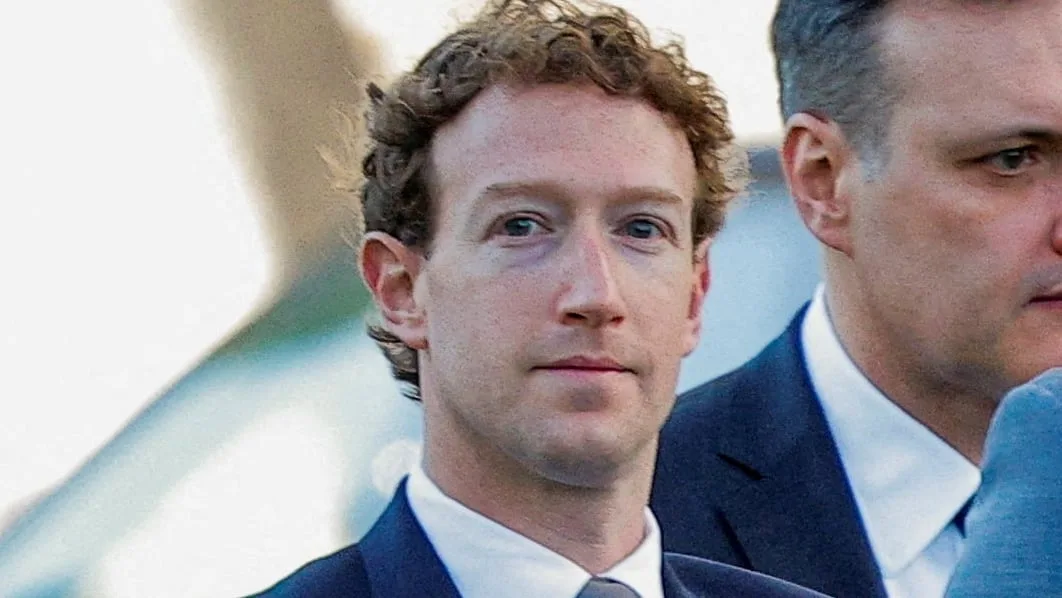
Mike Blake/File Photo/Reuters Meta has agreed to pay a staggering $17 billion to settle a sweeping child safety case.
Mark Zuckerberg’s Meta faced lawsuits from 47 states and U.S. territories over claims that it violated federal child privacy and states’ consumer protection laws.
The states accused Meta of deliberately designing its platforms “to entice, engage, and ultimately ensnare youth and teens,” while failing to adequately address the harm they caused to the “mental and physical wellbeing of America’s youth”.
Meta denies any wrongdoing, but on Wednesday it reached a settlement in the case, agreeing to pay $16.68 billion, cutting short a high-profile trial.
Under the settlement, Meta also agreed to stricter protections for young users, including firm daily time limits and mandatory breaks on Instagram and Facebook.
That means under-18s will now be restricted to 2 hours per day on Facebook and Instagram.
The company will also shut off push notifications during school hours and cut off access between midnight and 6 a.m., and strengthen age checks and put restrictions on material promoting eating disorders or self-harm.
Meanwhile, children will no longer be able to see likes and other engagement metrics on posts.
The deal marks the first time Meta has been required to fundamentally alter the way its platforms operate.
However, about $5 billion of the deal would take effect only if both YouTube and TikTok also agree to restrictions for young users, including one-hour daily limits, nighttime access curbs, and stronger age checks.
Each would also have to pay roughly $5 billion to the states.
Meta has urged TikTok and YouTube to join the agreement in an open letter.
“We want to ensure teens benefit from this new industry standard, but we cannot do it alone.
These protections will only be truly effective if we work with our peers—TikTok and YouTube—to put the same measures in place,” the letter, first reported by Axios , says.
5News aggregated this summary from the outlet’s public feed. The full article, with all the context, is on www.thedailybeast.com — the content belongs to The Daily Beast.