Amazon plots a new 'Tetromino' warehouse where robots tackle work that's notoriously hard to automate
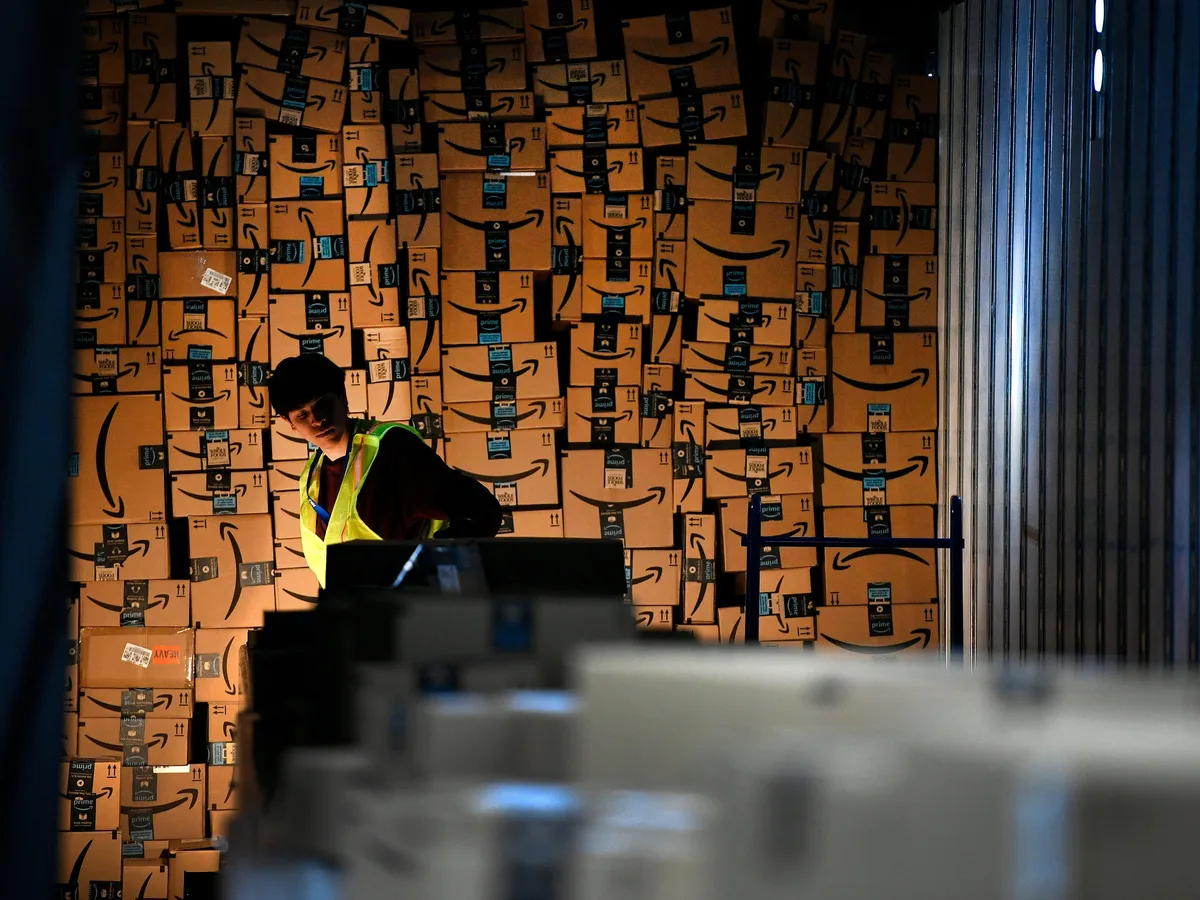
An Amazon worker loads boxes into a delivery vehicle.
Helen H.
Richardson/MediaNews Group/The Denver Post via Getty Images Amazon's Tetromino project aims to fully automate delivery stations.
Amazon estimated more than $530 million in investment in Tetromino by 2029.
Amazon says warehouse automation is intended to improve safety and efficiency for workers.
Amazon is developing a new generation of highly automated warehouses that use AI and robotics to process packages at the final stop before delivery.
The initiative, internally called Project Tetromino, is intended to build "fully automated" delivery stations, according to an internal planning document from last month that Business Insider reviewed.
Delivery stations are the final facility in the shipping process, receiving packaged items from fulfillment centers before sorting and staging them for drivers to deliver to customers.
According to the document, Amazon planned to invest $103 million in an initial Tetromino pilot in 2028, followed by five sites in 2029 and 10 more in 2030.
Each 2029 site could cost about $85 million, bringing the total Tetromino investment to more than $530 million by 2029, the document said.
It also said Tetromino could process packages at roughly 2.5 times the rate of its existing delivery station design.
An Amazon spokesperson told Business Insider that this is an "early-stage concept" and the specific financial figures and road map in the document are "inaccurate and don't reflect our current plans." "We're always exploring and testing new technologies across our operations to improve safety and the delivery experience for customers," the spokesperson said.
"Like any early-stage concept, this is one of many initiatives we regularly evaluate, and plans evolve significantly as we learn." Tetromino offers a glimpse of how Amazon is trying to automate one of the most stubbornly manual parts of its logistics network.
Industry analysts say tasks such as organizing and loading packages into vehicles at delivery stations remain difficult and expensive to automate.
5News aggregated this summary from the outlet’s public feed. The full article, with all the context, is on www.businessinsider.com — the content belongs to Business Insider.