Why Gen Z is ditching mainstream dating apps for hyper-niche spaces
Here's a not-so-novel theory of cultural development that you should be aware of, especially if you're an older person wondering about the behaviors of younger people: When TV and the internet first emerged on the cultural scene, they had a unifying effect on people.
After all, there were only a handful of television channels you could watch, so everyone watched The Tonight Show Starring Johnny Carson , M*A*S*H, and All in the Family .
Just take a look at IMDB's list of the Most Watched Series Finales Ever, and you'll see it's dominated by shows that first aired in the '70s, '80s, and '90s.
Fast forward to the early 2000s, when social media first emerged, and you have a similar effect: everyone had a MySpace or Facebook account because there wasn't really any other game in town.
But that unity rapidly gave way to fragmentation.
Just as cable TV fragmented into Netflix, Hulu, Apple TV, Amazon TV, etc, so too did social media fragment into smaller, more niche spaces, from Tumblr blogs and subreddits to Discord servers and Twitch chat rooms.
SEE ALSO: The best hookup apps for 2026: I swiped until my thumb hurt Driven by the all-powerful algorithm, feeding different people different interests, the younger generations disappeared into siloed parts of the internet, many of which earned nicknames of their own.
TikTok is the best example: there's BookTok for users who love to read, FinTok for users who want to learn about investing and compound interest, and of course, FitTok for people who want to learn about compound lifts or receive dieting advice.
Crucially, you can spend hundreds of hours in any one of these niche communities without ever learning about the existence of the others.
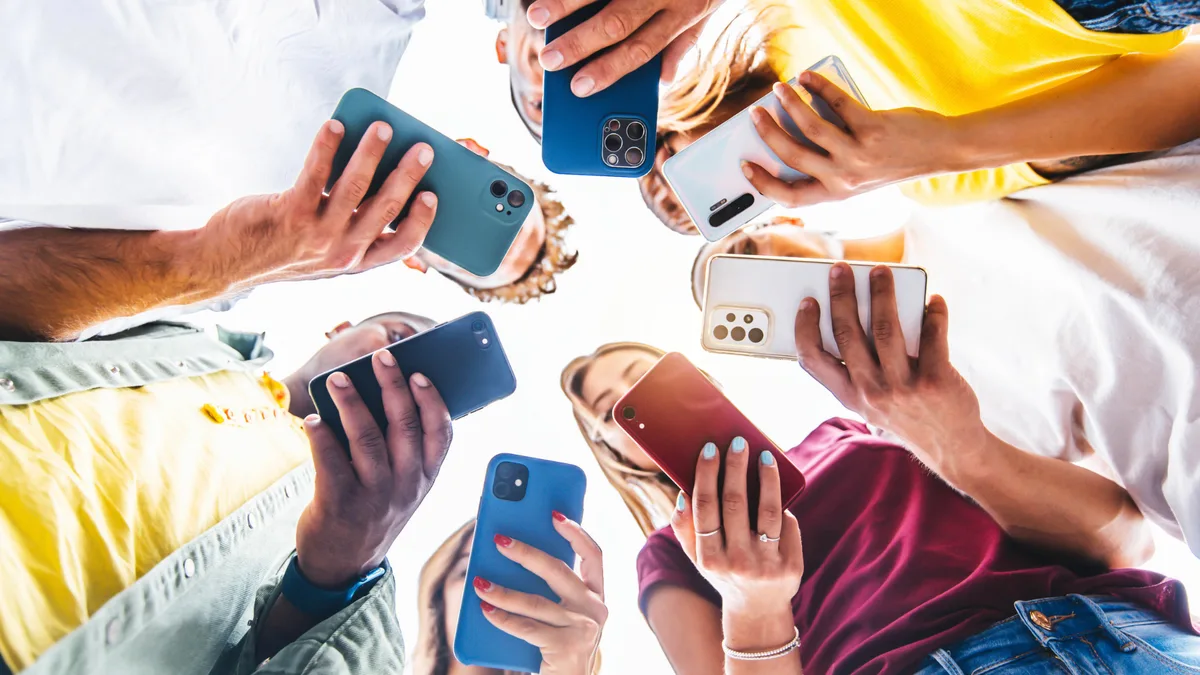
Gen Z's entire online experience has been heavily curated by algorithms, so it's no wonder their dating app behavior is different as well.
Gen Z's retreat from online dating The numbers started to tell the tale long before the commentators caught on.
In 2023, a major Statista survey of online dating behavior found something odd, even trend-breaking: the vast majority (61 percent) of dating app users were between the ages of 30 and 34, while the much larger age group of 18-29 year olds represented just 26 percent of total dating app users.
It's even odder when you consider that, since people tend to partner up over time, Gen Z should have many more single people than millennials.
That realization led to a bevy of headlines (" Gen Z Is Leaving Dating Apps Behind " comes to mind) predicting the death of dating apps, not to mention a 38 percent average decline in the stock price of dating apps, but it doesn't mean Gen Z isn't interested in romance or connection.
5News aggregated this summary from the outlet’s public feed. The full article, with all the context, is on mashable.com — the content belongs to Mashable.