How social media changed what it means to be an anime fan
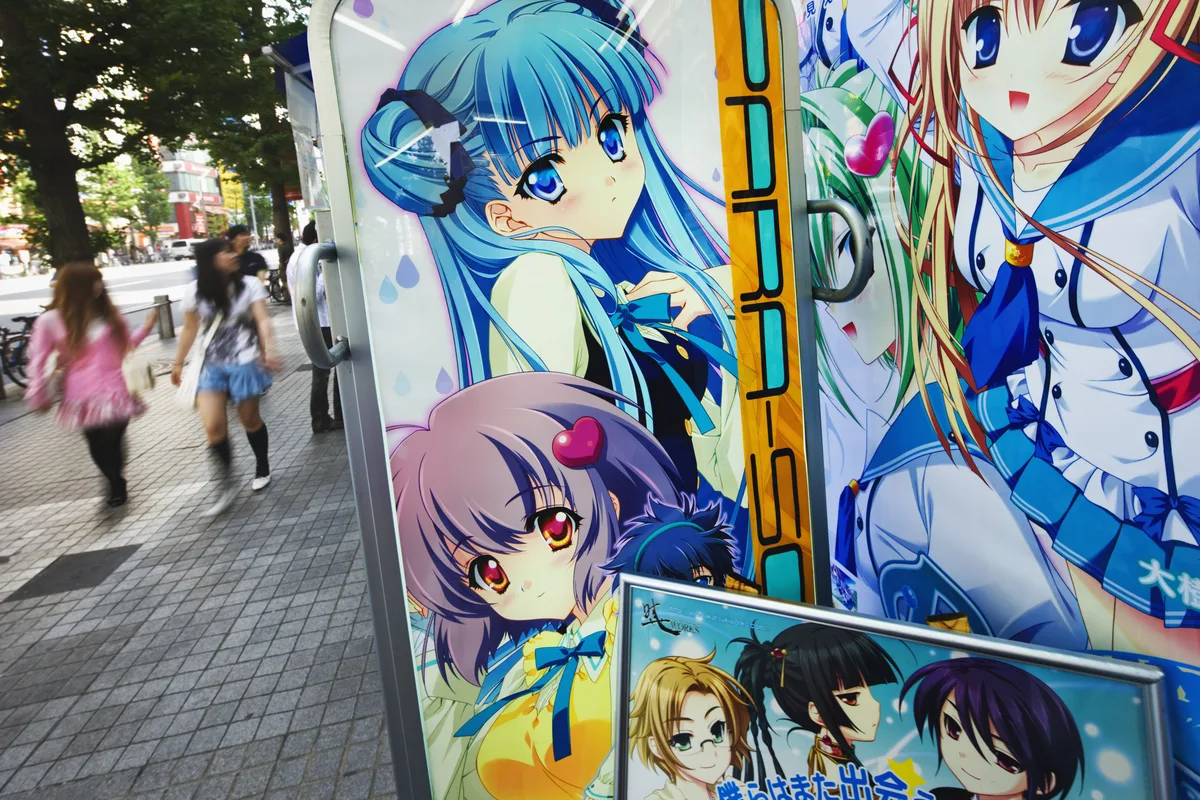
For a generation of American anime fans, discovering a new series once meant staying up late to watch Toonami, Cartoon Network's seminal anime programming block, or tracking down low-quality, fan-subtitled episodes online. ( Or on VHS .) Today, your introduction to anime might be a 30-second TikTok edit, an Olympic figure skater referencing her favorite character on TV, or an artist casually dropping a track inspired by Jujutsu Kaisen .
The path into anime fandom has changed dramatically, and social media has helped make what was once considered a niche, nerdy interest an increasingly visible part of mainstream pop culture.
SEE ALSO: 'Gachiakuta' might be the most original shōnen anime in years That shift was the subject of a conversation at Crunchyroll's Anime Future Forum in New York City, where rapper Big Sean, Olympic figure skater Amber Glenn , and content creator Jordan Howlett gathered for a panel titled "The Influencers Shaping Anime Fandom." The three come from different corners of entertainment, but they're united by a shared love of Japanese animation and an understanding of how the internet has helped bring that fandom into the mainstream.
Big Sean's anime fandom predates social media entirely.
"I'm a Toonami kid," the Detroit rapper told the audience, recalling his early exposure to Dragon Ball Z , Cowboy Bebop , Gundam Wing , and YuYu Hakusho — the latter of which he recently rewatched.
He also spoke about how anime resonated with him and his friends in Detroit, particularly its stories about overcoming adversity and pushing past seemingly impossible odds.
That enthusiasm never went away.
Sean has continued to draw inspiration from anime throughout his music career, and he recalled the surreal experience of having Sean Schemmel, the English-language voice of Goku, visit his home while he was working on an album.
For longtime fans like Sean, discovering anime was often a matter of finding the right show at the right time.
Today, anime has a way of finding you, whether you're looking for it or not.
From Toonami to TikTok Anime has been finding American audiences since Astro Boy debuted on U.S. television in 1963.
Its fan communities grew through VHS trading and conventions in the decades that followed, before Pokémon , Dragon Ball Z , Sailor Moon , and Cartoon Network's Toonami helped introduce Japanese animation to a new generation in the late '90s.
Today, anime's growth in the U.S. has been fueled by several overlapping developments, including the expansion of streaming services like Crunchyroll, which recently broadened its reach with a dedicated digital manga platform featuring over 250 localized English titles.
Meanwhile, anime has become a major force at the box office.
5News aggregated this summary from the outlet’s public feed. The full article, with all the context, is on mashable.com — the content belongs to Mashable.