Women want ‘dads,’ not ‘duds’: A Nobel-winning historian has a theory for falling birthrates, but the economics aren’t so straightforward
The world’s most powerful economies are increasingly alarmed by their declining birthrates, and there’s no shortage of theories on why.
SpaceX founder Elon Musk suggests society is “teaching a fear of pregnancy,” while policymakers in France seem to believe young people are simply forgetting to procreate, and sent reminder letters to 29-year-olds as a result .
Other suggestions are more banal: the cost of raising a child is too high, or would-be parents worry that the world is already running out of resources needed to support population levels.
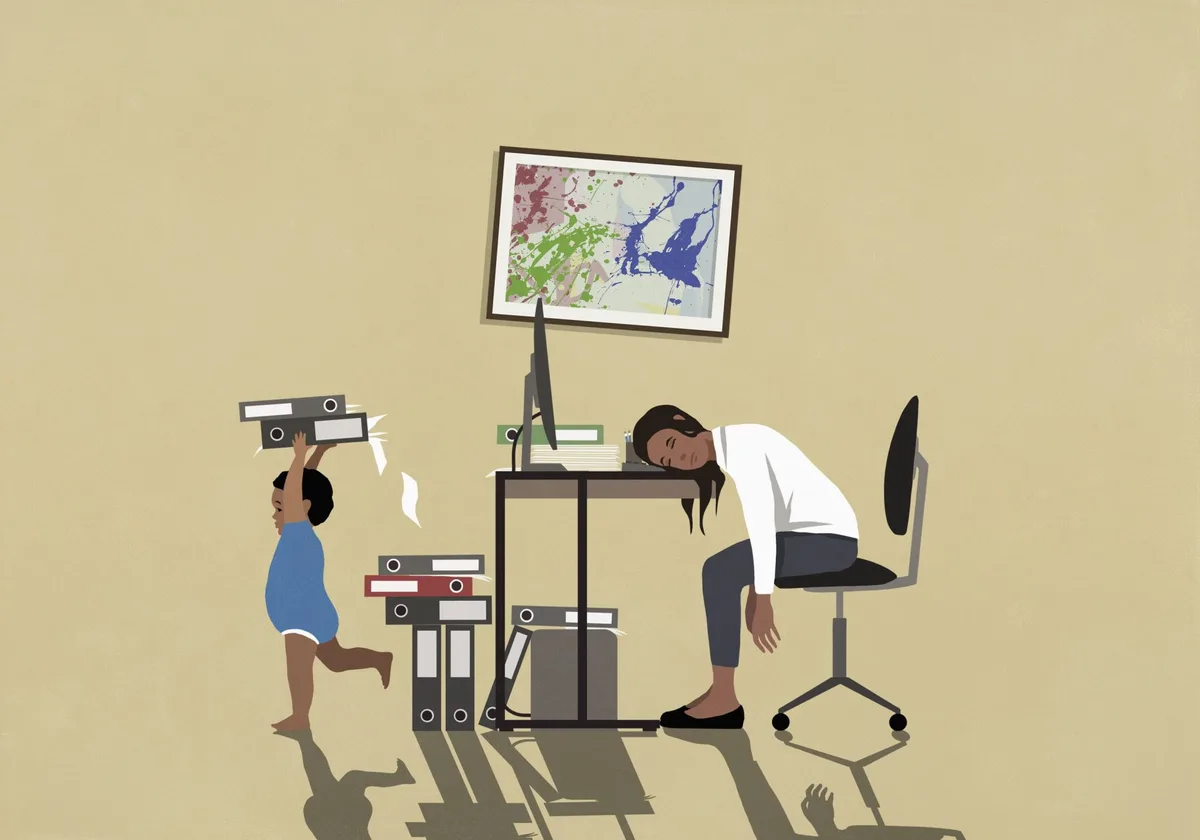
A working paper by Claudia Goldin, a Nobel prize-winning economic historian at Harvard University, proposes an alternative: Perhaps hardworking, highly educated women are concerned about the autonomy they would sacrifice if their partners don’t share the workload of raising children.
“Women who undertake greater investments in themselves will be more likely to have children if they can reap the financial and personal rewards from their education while raising their children,” Goldin writes.
“In the absence of that assurance, they will be more likely either not to have children or not to undertake the initial investment in themselves.” She adds: “The more that men can credibly signal they will be dependable ‘dads’ and not disappointing ‘duds,’ the more investment in women’s education and careers, and the higher will be the birthrate in the face of greater female agency.” The theory is neat, and subject to criticism as a result.
Some point out that birthrates have continued to fall despite household work being carried out more equitably.
In the decade between 2026 and 2016, data from the Bureau of Labor Statistics shows that the hours men spend on household activities have fractionally increased, while the hours carried out by women have slightly decreased.
Birthrates have still continued to decline .
Other critics suggest the data used in the research is inconsistent, with skeptics also questioning what “dependability” in dads entails.
But Goldin doesn’t claim to have all the solutions to the questions her work raises.
“When women did not have any choice, [having children] is what they did,” she tells Fortune .
“But now they are given a choice.” So do men, she adds: How to demonstrate whether they are a dud or a dad.
But “we don’t really know the answer [to] what sort of commitment mechanisms [men] have,” Goldin says.
5News aggregated this summary from the outlet’s public feed. The full article, with all the context, is on fortune.com — the content belongs to Fortune.