The data center fight is hitting a fever pitch. Here's how they actually work
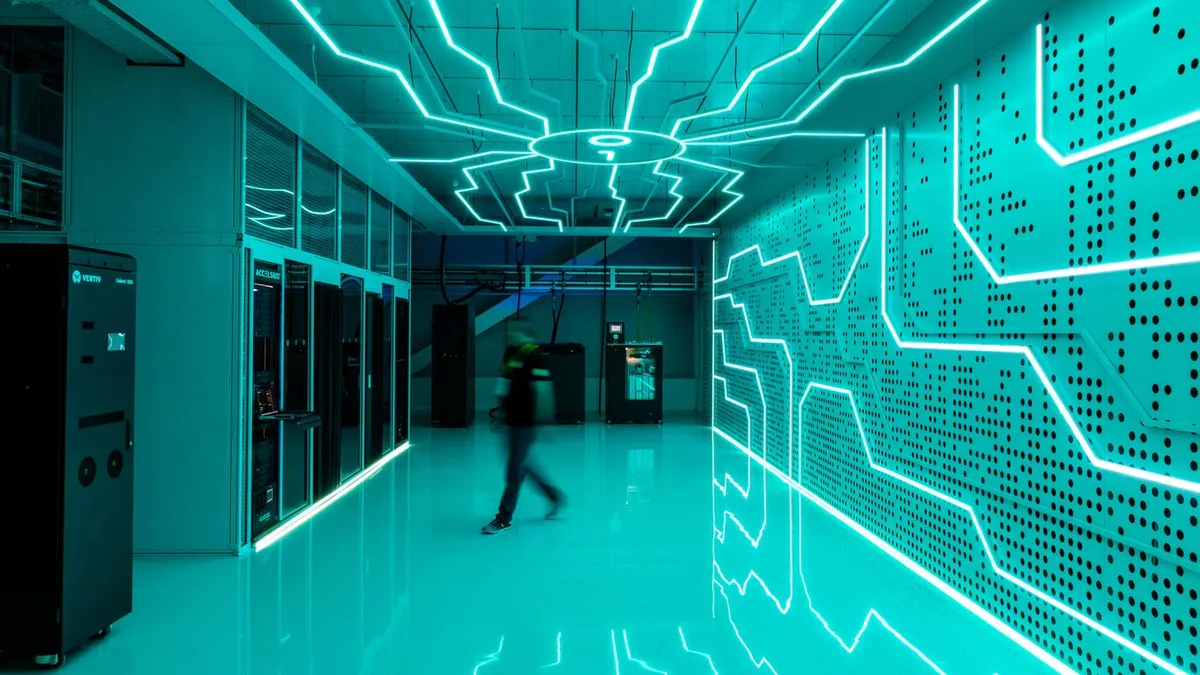
Data centers have become the face of AI backlash, with celebrities, politicians and protesters pushing to slow their growth.
Why it matters: America's sharply rising public opposition to data centers — which fuel our everyday use of the internet — could pose an existential threat to AI's growth.
State of play: There are at least 4,000 data centers nationwide, with some 3,000 under construction or planned.
The centers are often big, windowless warehouses with few people in sight, and many are developed in secrecy .
Driving the news: Data centers have become a focus of anti-AI sentiment, with 70% of Americans opposing their construction.
Former NFL star Jason Kelce announced a partnership between his Garage beer company and Liquid Death to encourage Americans to send actual urine to data centers in protest at their water use.
Nationwide, Republicans are warning that toxic views of U.S. data centers are directly impacting political outcomes, potentially upending years of support from the GOP and investors for their construction.
Zoom out: Data centers have long existed.
But the ones helping train AI models are not your grandparents' data centers .
How data centers work (a simple explanation) How it works: Data centers typically house rows of powerful computers called "servers," which help us stream videos, search the internet, email and play online games.
Servers generate a lot of heat.
The buildings require cooling technology and large amounts of water to keep the computers from overheating.
Data centers are the infrastructure behind the internet and the cloud.
Want to watch Netflix, send an email or scroll Facebook? All of these apps rely on the computers stored in data centers.
5News aggregated this summary from the outlet’s public feed. The full article, with all the context, is on www.axios.com — the content belongs to Axios.