Why Is Nepal So Vulnerable to Flooding?
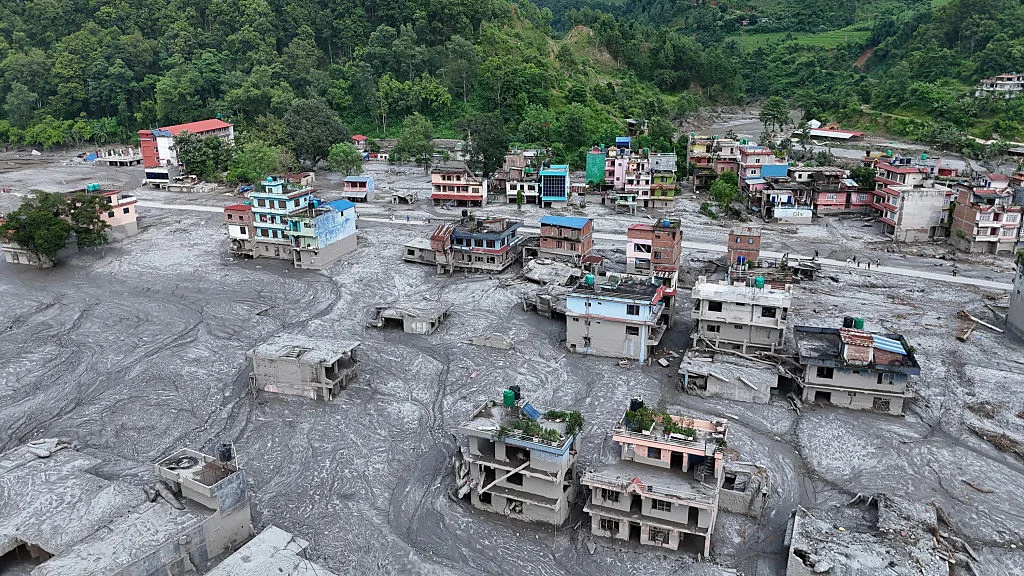
An Aerial view shows debris and mud covering settlements following flash floods on August 28, 2026 in DevGhat village, Nepal. —Ritesh Shukla—Getty Images Catastrophic flooding in Nepal and Tibet is laying bare the risks mountain villages stand to face amid human-induced global warming.
Maheshwar Dhakal, Nepal’s climate change chief in the Ministry of Agriculture, Forest and Environment explicitly blamed climate change for the flooding, while the country’s foreign minister, Shisir Khanal urged world leaders to undertake a "global effort" to tackle climate change .
"We'd ask the world... to take climate change as one of the major challenges that Nepal and its citizens face, and this has to be a global effort," Khanal said .
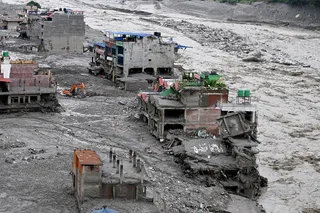
"We request the global community to come together and preserve the Himalayan ecosystem." Read more: In Nepal's Tragedy, a Warning for a Warming World The death toll from catastrophic flooding at the Nepal-Tibet border has now surpassed 1,000, with more than 4,000 people still missing.
The country has seen a number of deadly climate events and natural disasters in recent years.
Landslides and flooding devastated the region in 2012 and 2017, meanwhile in 2015, a 7.8 earthquake killed close to 9,000 people and triggered more than 20,000 landslides across 14 districts of Central and Western Nepal.
While it’s too early to know exactly how climate change might have contributed to this August’s disaster, experts say that as our planet continues to warm extreme weather events are only going to become more frequent—especially in climate vulnerable nations like Nepal.
The United Nations has warned that millions of people in the Himalayan region face severe risks from future glacial floods in the coming years.
Why is Nepal so vulnerable to extreme flooding? Nepal has a complex topography—ranging from low-lying planes to some of the world’s highest peaks.
Last week’s flooding was triggered by a landslide, which caused a glacier to fall, sweeping rocks and melted water into a number of villages downstream.
“These landscapes up in the high Himalayas are very dynamic,” says Göran Ekström, professor of earth and environmental sciences at Columbia University.
“There's a lot of erosion going on.
There were landslides there before there was global warming, but global warming has been speeding up that erosional process, and so everything is happening faster, including the number of big landslides up there.” Over the decades, economic activity has concentrated in riverbank towns and villages below—putting those growing communities at risk.
“Economic development has increased along the rivers.
5News aggregated this summary from the outlet’s public feed. The full article, with all the context, is on time.com — the content belongs to TIME.