Alzheimer’s treatment is advancing rapidly — and there’s one thing all of us can do to help
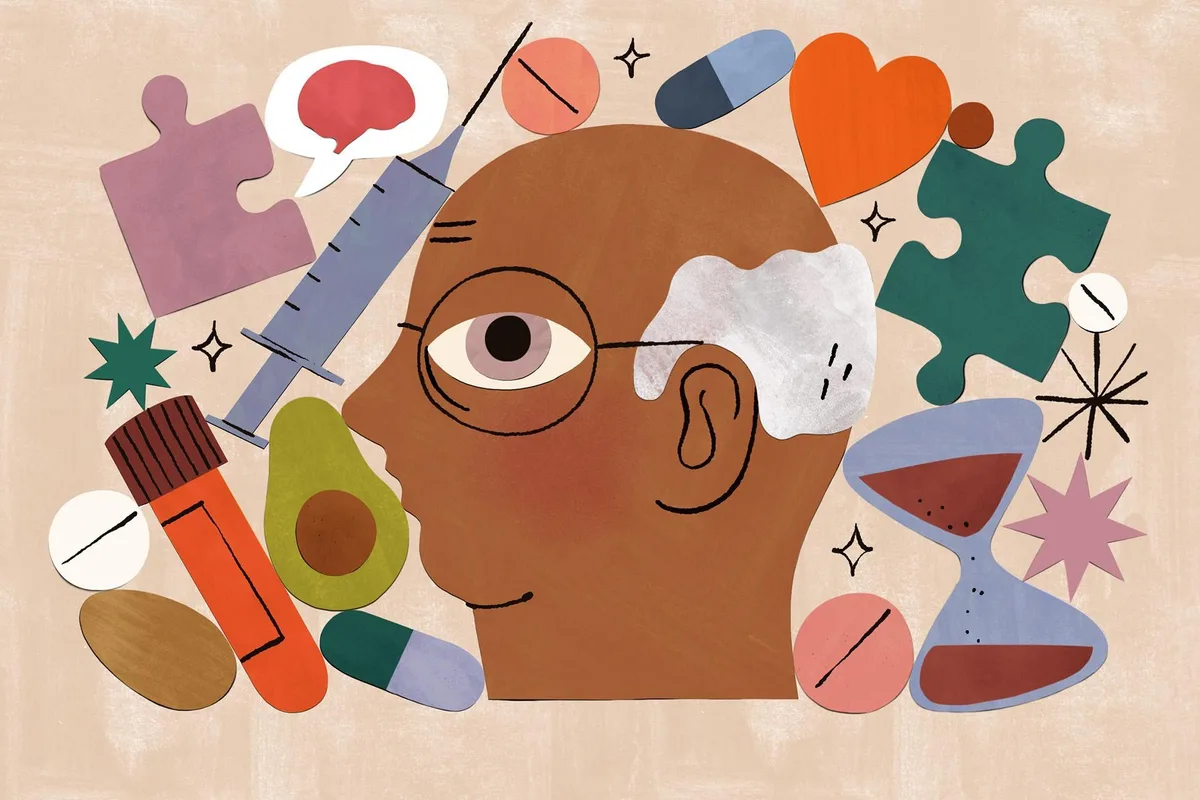
“Diagnosis and treatment of Alzheimer’s has changed in a way that is revolutionary compared to, say, four or five years ago,” said Dr.
Jason Karlawish, co-director of the Penn Memory Center. | Clare Owen for Vox Every day it seems scientists are making breakthroughs in Alzheimer’s disease.
New treatments that actually slow the disease’s progression — lecanemab and donanemab — have finally appeared on pharmacy shelves in the past few years, delivering real-world results for patients and their families.
New blood tests promise to identify at-risk patients earlier in their lives, giving them the chance to make lifestyle changes and potentially start treatment to stave off symptoms.
The media and wellness influencers are always reporting on new diets, workouts, or hobbies that can combat dementia.
Just last month, there was even a report out of China about an experimental brain surgery that allegedly reverses the symptoms of Alzheimer’s disease — the Holy Grail that researchers have been pursuing for generations.
But hype has outpaced the science of treating Alzheimer’s disease before.
Promising treatments have gotten a lot of attention before only to fizzle out a short time later.
Less than a decade ago, many scientists were wondering whether we had the theory of Alzheimer’s disease completely wrong.
For those of us who don’t work in the field, that confusing history can make it hard to make sense of these recent developments.
It sounds like we are entering a new age for Alzheimer’s prevention and treatment — but are we actually? And, if we are, how can people benefit from it? I called a couple of leading experts to find out.
Here’s the good news: They say scientists are genuinely shifting the paradigm for treating, detecting, and ultimately preventing Alzheimer’s disease.
The two drugs on the market can actually slow down cognitive decline for many patients, something that had been out of reach for decades.
And more treatments are coming.
5News aggregated this summary from the outlet’s public feed. The full article, with all the context, is on www.vox.com — the content belongs to Vox.