Candace Bushnell on AI, creativity and why originality still wins
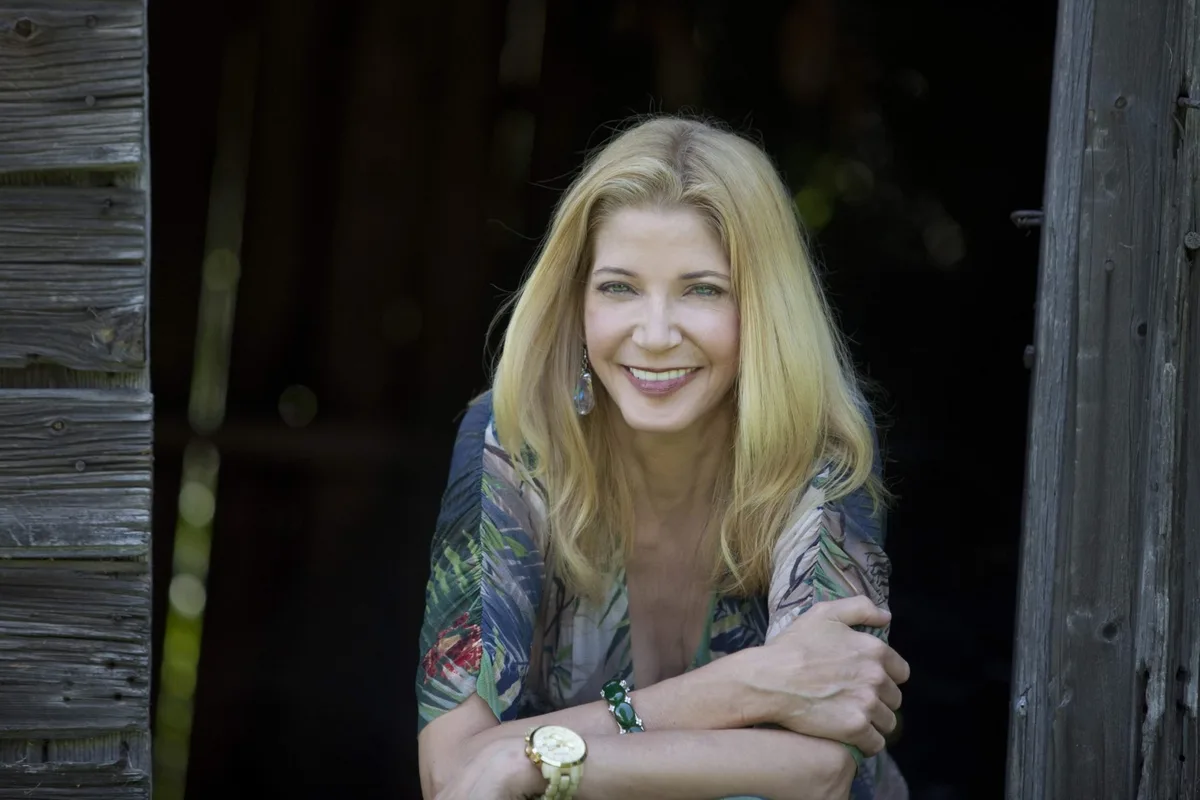
In an era where personal identity is often transformed into a brand and creativity into a strategy, Candace Bushnell has taken a different path.
Not because she couldn’t move in that direction, but because she chose to remain, above all, a writer.
Sex and the City , the column that began in The New York Observer in 1994, has become one of the most recognizable cultural narratives of recent decades, influencing the way women talk about themselves, their choices, and their place in the world.
And yet, for her, this success never functioned as an end point, but rather one of the many facets of her journey.
Instead of being confined, her writing has continued to evolve, from best-selling novels such as Four Blondes , Trading Up , and Lipstick Jungle , to new narrative forms that test the boundaries between the private and the public.
Perhaps this is because, for her, creation is not the result of a strategy, but of an inner need.
Of a constant urge to observe, process and transform experience into narrative – whether this happens in the solitary process of writing or in front of a live audience.
It is no coincidence that, almost three decades after her first major success, she chose to return to the stage with a one-woman show that functions as a more direct, almost confessional version of her journey.
With True Tales of Sex, Success and Sex and the City , which was also presented in Athens on April 17, Candace Bushnell appeared in front of an audience, bridging the past and the present, but also the individual and the collective.
It is a reminder that the stories that stand the test of time are not necessarily those designed to be “great”, but those that are told with honesty.
On the occasion of her presence in Greece, the iconic author spoke to Fortune Greece about the timelessness of writing, the importance of an authentic voice, and what it means to continue to evolve creatively, even when you have already left your mark. (This is republished in Fortune with permission.) You started writing about a very specific world, your own world, and yet your experiences became a thing with global resonance.
When did you realize that something so personal had acquired universal power? I started writing when I was 19 and I was always writing about my world, about New York and the women who lived there.
When I started the Sex and the City column in The New York Observer , one of the decisions I made was to write about things that I thought could only happen in New York.
Very quickly, however, it turned out that these things were happening everywhere.
5News aggregated this summary from the outlet’s public feed. The full article, with all the context, is on fortune.com — the content belongs to Fortune.