Ukraine strikes major Russian rocket factory with cruise missiles
Ukrainian President Volodymyr Zelenskyy confirmed on Saturday that his country struck the Progress Rocket Space Center deep within Russia using ground-launched cruise missiles.
“In Russia’s Samara region, one of the key enterprises within Roscosmos—the Progress Center, which was involved, among other things, in electronics production–was hit,” Zelenskyy said on the social media site X. “Flamingo missiles were used. A good achievement.”
The largest city in the Samara Oblast, about 900 km from the Ukrainian border, Samara is home to Russia’s most important manufacturer of rockets. The Progress center assembles the workhorse vehicle for Russia, the Soyuz-2 vehicle, as well as the newer Soyuz-5 rocket. The facility also builds military satellites.
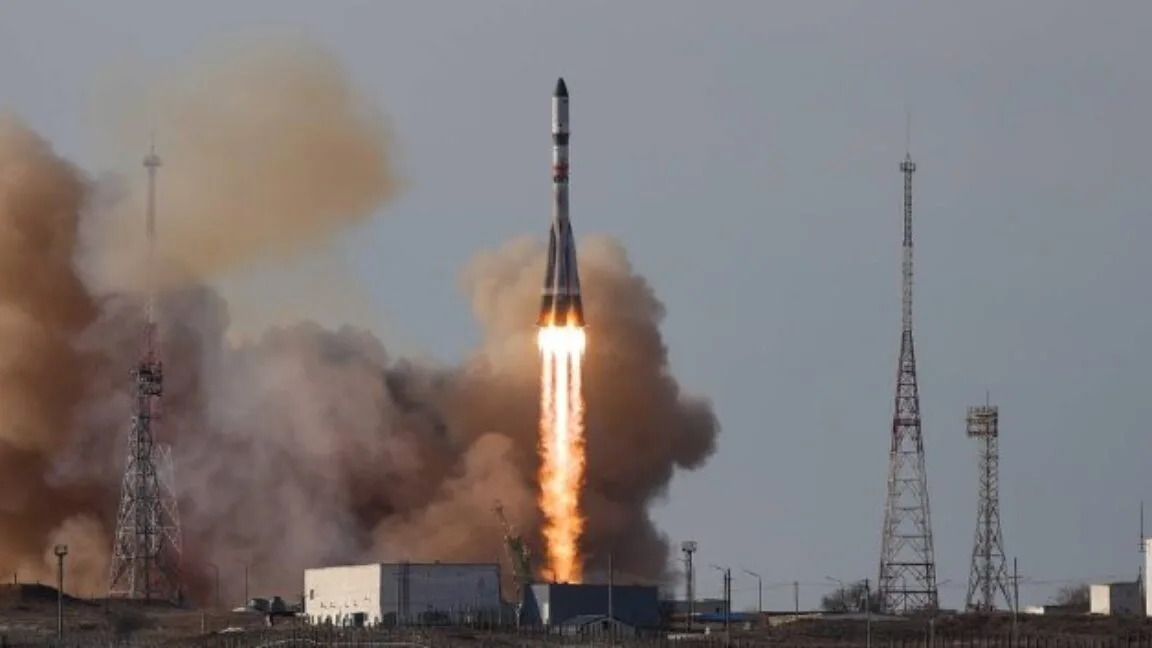
Russia uses the Soyuz-2 rocket, which has a lift capacity of about 8 metric tons to low-Earth orbit, for a variety of civil and military purposes. Notably, it is the principal rocket used for Russia’s human spacecraft launches to the International Space Station.
It was not immediately clear which facilities at the sprawling Progress facility were damaged. There were some open-source reports that a missile struck a building that houses a clean room for avionics—perhaps a reference to the electronics production Zelenskyy referred to.
Ukraine used the FP-5 “Flamingo” missiles for the attack, which have a range of several thousand kilometers. The “FP” stands for Fire Point, the Ukraine-based defense group that developed the missile. The missile has previously been used to target energy infrastructure, military production facilities, and other strategic targets. It seems unlikely that Ukraine sought to target Russia’s civilian space infrastructure, but the civil and military space efforts in Russia are closely aligned.
Any lasting damage to Soyuz rocket production would be crippling for Russia’s space programs. Of the more than 120 Russian rocket launches since 2020, more than 85 percent have involved the Soyuz-2 family of rockets. This has become the country’s key launch vehicle with the Proton booster aging out, and the newer Angara rockets being so slow to reach a decent launch cadence.
Even before the attacks, Russian space officials said demand for Soyuz rockets were exceeding the production capacity, Russian Space Web reports . This demand was as much as 30 to 50 percent higher than capacity for the period from 2027 to 2030.
5News aggregated this summary from the outlet’s public feed. The full article, with all the context, is on arstechnica.com — the content belongs to Ars Technica.