Tesla asked Las Vegas for 5,000 robotaxi permits. Sin City gave it 10, capped the speed at 45mph, and banned airport trips
The Strip is one of Nevada’s most concentrated gambling corridors.
Sin City casinos there brought in roughly $8.8 billion in gaming revenue in 2025—about $24 million a day—and raked in roughly 56% of the state’s $15.8 billion in total gaming revenue that year.
It also saw 38.5 million visitors in 2025, directly supporting more than 250,000 jobs in the area.
So it wasn’t a surprise with Tesla Robotaxi filed an application with the Nevada Transportation Authority (NTA) in June and asked for permits for 5,000 autonomous vehicles to operate within the city.
But it was a surprise when the NTA responded a month later, giving the robotaxi arm of Elon Musk’s brainchild a “maximum fleet of ten (10) fully autonomous vehicles.” The permit also confined those 10 robotaxis to an Authority-approved corridor along the Strip and barred speeds above 45 mph.
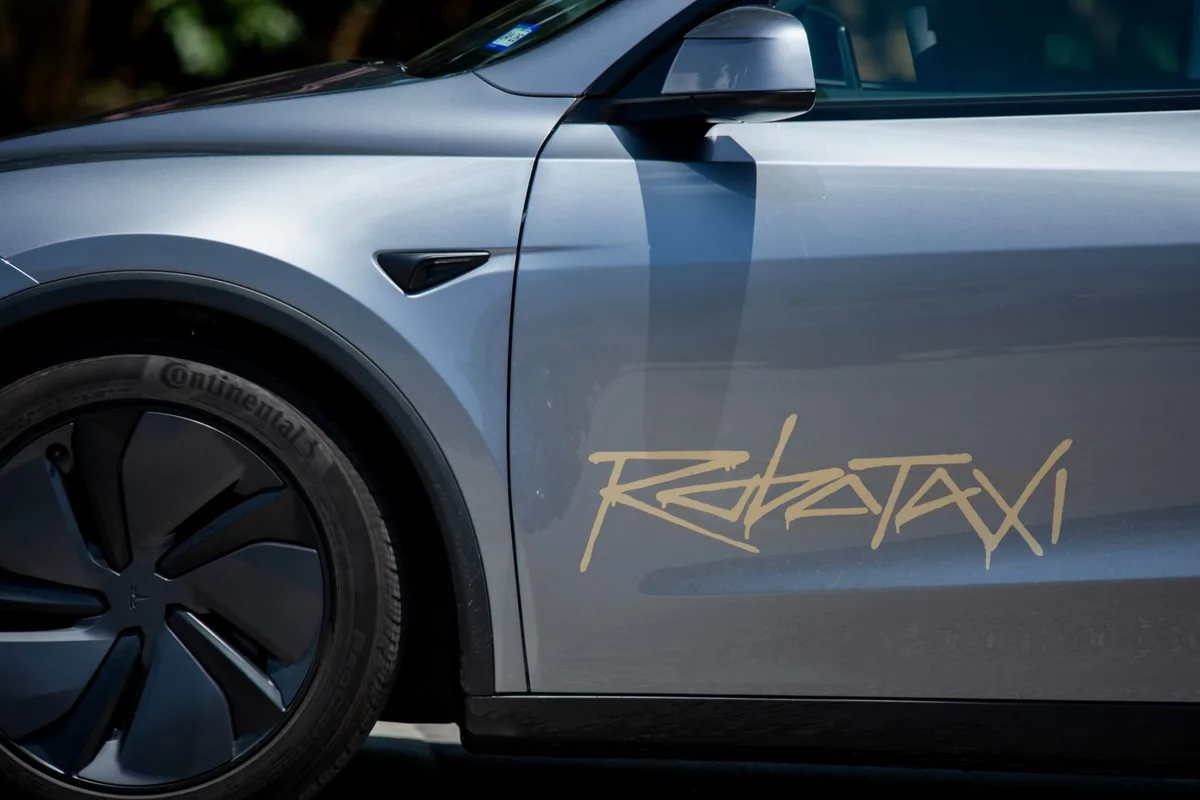
Most importantly for the tourism industry, the permit prohibits passenger pickups within one-quarter mile of the airport “unless authorized by the airport operator and all required governmental approvals have been obtained.” Every vehicle must be marked “Robotaxi,” riders must be notified before each trip they’re in a driverless vehicle, and operations require “appropriate human supervision” under Society of Automotive Engineers standards.
That supervision requirement is a step back from what Tesla runs elsewhere: The company has offered rides in parts of Austin with no safety monitor in the vehicle since January, and Nevada’s language suggests regulators aren’t ready to extend Tesla that same latitude here.
Clark County, which doesn’t issue the permit itself but has to live with what the NTA approves, says the arrangement leaves it managing fallout without a formal role in setting the terms.
“While the Clark County does not authorize this type of transportation on our roadways, we are directly impacted by the operations of the robotaxis,” a county spokesperson told Fortune.
“County impacts include several departments such as Clark County Fire, Business License, and Harry Reid International Airport to name a few, and we are working to get our arms around how best to facilitate these types of operations going forward.” Neither Tesla nor the Nevada Transportation Authority responded to Fortune’s request for comment.
Creating the infrastructure Tesla had been building toward this before the permit came through.
The company is putting $3.1 million into retrofitting a 37,000-square-foot building in the southwest Las Vegas valley, just as it undergoes hiring for Vegas-based robotaxi roles.
Unlike Zoox and Motional, both of which lease or partner for their vehicles, Tesla builds the car, writes the self-driving software, and now holds the commercial permit all under one roof.
5News aggregated this summary from the outlet’s public feed. The full article, with all the context, is on fortune.com — the content belongs to Fortune.