How to prepare for wildfires — now and for the future
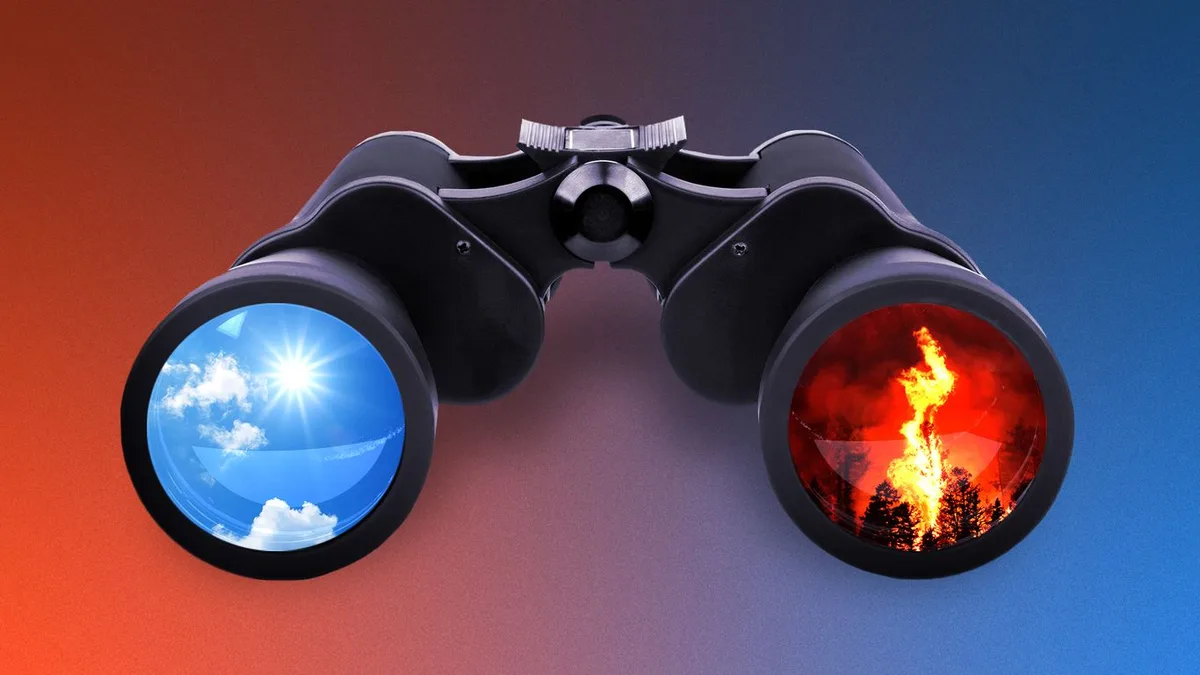
Wildfires demand action on radically different timelines: during the crisis, before the next fire season and over the coming decades.
Why it matters: Climate change is worsening the underlying risk, making everything from evacuation plans to forest management and cutting emissions part of the response.
Driving the news: America's northwestern corner is having a record-breaking wildfire year, and the traditional fire season still has months to go.
"Even if not a single other acre or structure burned, we already have the most active fire season in recorded history for the Pacific Northwest," said climate scientist Daniel Swain, in an Aug.
18 virtual presentation .
"Washington and Oregon together [are] already breaking their historical record for the most area burned in any full wildfire season." My thought bubble: My family lives in Spokane, Washington.
They don't live in the neighborhoods where hundreds of homes burned Aug.
1, but the disaster was a wake-up call because they also live near forested land.
In the immediate aftermath, we feverishly discussed making an evacuation plan.
We haven't followed through.
Our conversations have shifted back to normal life.
"If we perceive that we can't manage a chronic risk, we will tend to manage our fear about that risk," said Claire Rapp, a Colorado State University scientist specializing in behavior science and wildfires.
That doesn't mean wholly denying the risk, she said, but "simply deprioritizing it and managing our fear of it." The big picture: The challenge is that wildfire preparedness operates on different timelines, with different actions needed at every stage.
During an active fire: Evacuating people, fighting fires and protecting communities from smoke.
5News aggregated this summary from the outlet’s public feed. The full article, with all the context, is on www.axios.com — the content belongs to Axios.