‘You’re at war when you get attacked’ — Canada’s Mark Carney accuses U.S. of using economic integration as a weapon as trade fight spurs tariff hikes
The United States and Canada, historic allies along an undefended border, fell deeper into a trade war Saturday marked by angry recriminations and new tariffs that are expected to raise prices for products in both countries.
Each side blamed the other for the collapse of negotiations in Washington late Friday, leading the U.S. to impose 50% tariffs on $20 billion worth of Canadian goods and Canada setting Sept.
8 as the start of its retaliatory penalties.
President Donald Trump’s import taxes will hit about 5% of what Canada ships to the United States every year, ranging from hockey sticks to tongue depressors.
Prime Minister Carney said Ottawa would respond with targeted tariff protection for industries exposed to the new U.S. duties, including some steel products.
He also mentioned the dairy, appliance, agricultural equipment, pulp and paper and electronics sectors.
No further talks were planned.
Whatever the eventual outcome, a loss of trust seems one of the earliest casualties.
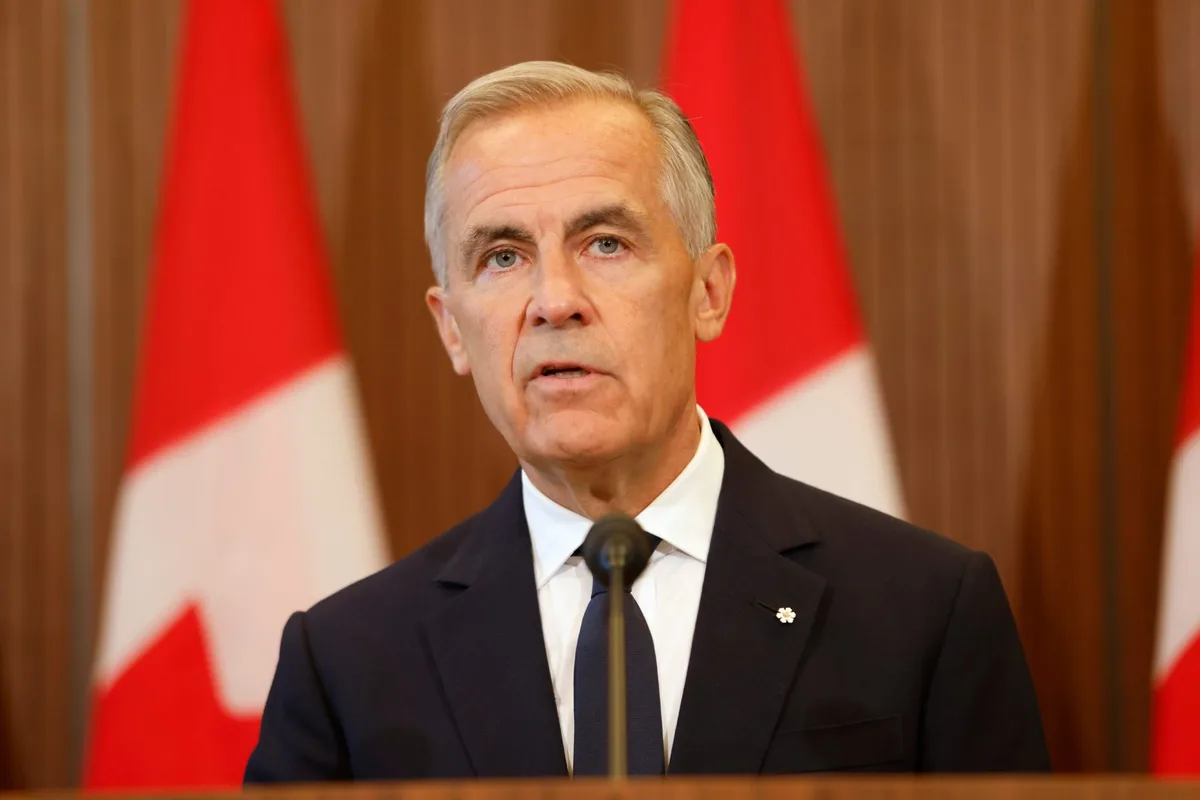
Carney accused Washington of using “economic integration as a weapon” and said “its signature was written in pencil.” Resorting to the language of battle, he said his country had been “attacked” by the new American tariffs.
“You’re at war when you get attacked,” he said, adding that Canada had the reserves, resilience and plan to respond.
But to Trump’s chief trade negotiator, Jamieson Greer, the U.S. was compelled to act after a year of retaliation by its longtime partner.
“We’ve said enough, and so we’ve taken countermeasures.
Our interest is in protecting American workers and protecting American supply chains,” the U.S. trade representative told “ Fox & Friends Weekend.” Canada cites ‘unacceptable demands’ as US says it offered favorable terms Carney said Canada had been willing to drop remaining retaliatory tariffs on steel, aluminum and autos if the U.S. substantially lowered its own, and to encourage provinces to restore U.S. alcohol sales.
But he said Washington’s final demands went too far.
5News aggregated this summary from the outlet’s public feed. The full article, with all the context, is on fortune.com — the content belongs to Fortune.