Vikrom Kromadit built his industrial park empire in Thailand and Vietnam. Laos is next
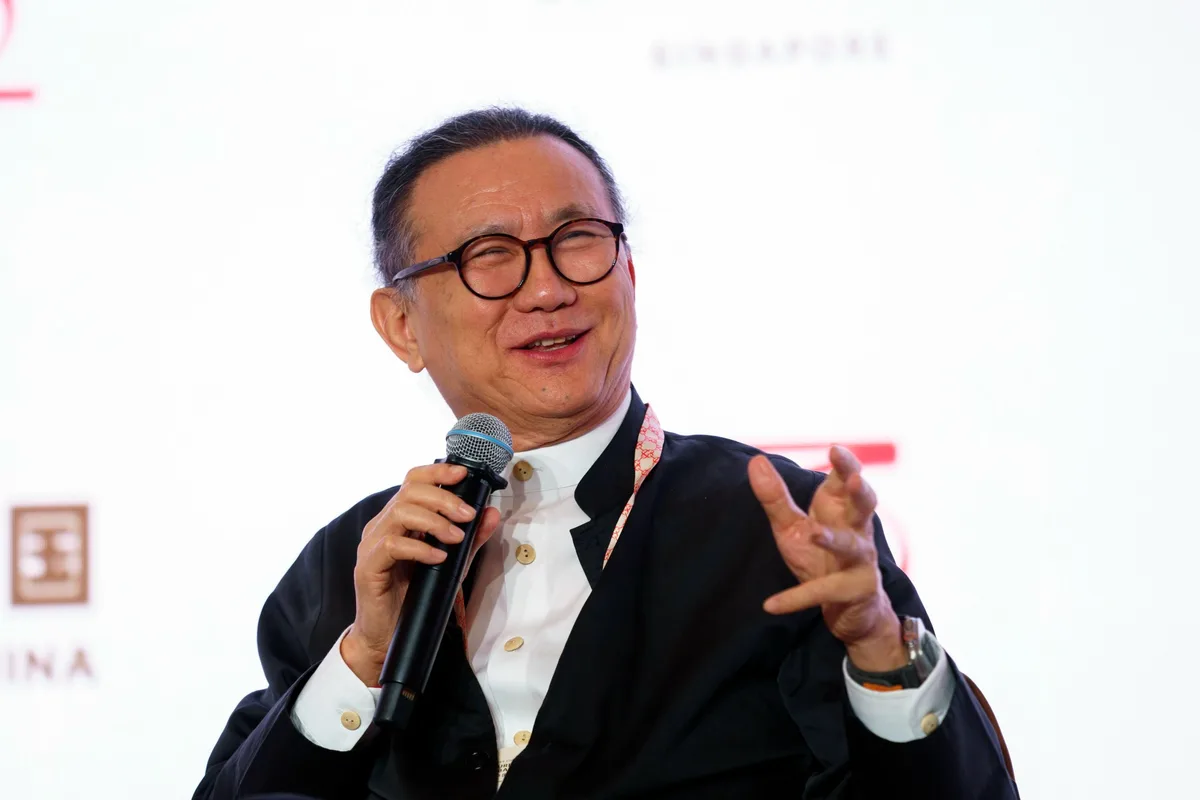
Thai real estate developer Amata Corporation says Laos will become its “largest focus” in the years to come, CEO Vikrom Kromadit tells Fortune .
“Laos will become our largest focus because of the land bank that they have,” Kromadit tells Fortune .
“They also have lots of green energy—that’s why they’re called the battery of Southeast Asia.” Amata expanded into Laos in 2022, starting with “Amata City Namor,” which covers 31.5 square kilometers and sits beside a station on the China-Laos Railway.
The company says its long-term Laos vision could reach 200 square kilometers .
Kromadit’s company built its fortunes in Thailand and Vietnam.
Amata Corporation, founded in 1989, built industrial parks across Thailand’s Rayong and Chon Buri provinces .
It was also an early backer of Vietnam, building its first facility there in 1994, early in the Southeast Asian country’s reform program.
Laos, however, offers an opportunity for Amata to capture Chinese manufacturers expanding to new manufacturing hubs in Southeast Asia.
Laos, Southeast Asia’s only landlocked country, boasts a huge energy surplus, as its rivers and mountainous terrain supported a government-led push to build hydroelectric dams as a core economic pillar.
The country currently exports about 80% of its electricity to other Asian countries like Thailand, China, and Singapore.
“They have plenty of land and a lot of water,” Kromadit says, adding that it has “the best natural conditions” for industrial development. (While Laos generates over 12 GW of capacity from over 80 hydro plants, most cross-border transmission lines bypass local communities, sticking consumers with frequent blackouts.) To Kromadit, Laos’s potential is also backed by China, long the country’s top foreign investor.
In 2025, China pumped $18 billion into Laos’s economy , primarily toward industry, mining and agriculture, according to the Vientiane Times , a local newspaper.
Laos has been slotted into “ China plus one ” supply chains, where both Chinese and global manufacturers move some–or all–of their production to other countries, both to reduce cost and avoid tariffs on Chinese-origin products.
“China is the largest manufacturer of all products, so they can’t just keep building only within their country,” Kromadit explains.
5News aggregated this summary from the outlet’s public feed. The full article, with all the context, is on fortune.com — the content belongs to Fortune.