Trump’s spying on left-wing groups recalls J Edgar Hoover’s Cointelpro | Ken Roth
The FBI from the 1950s to the 1970s tried to infiltrate and discredit leftist organizations. Trump seems to be repeating that sordid practice
I t is bad enough that the Trump administration blocked a federal criminal investigation when an Immigration and Customs Enforcement (ICE) agent killed Renee Good as she was turning her car away from him in Minneapolis the past January. Just before the shooting, Good and her partner had been observing and protesting against ICE officers.
Instead, it turns out the administration has been investigating progressive and even mainstream groups that have been involved in protests against Donald Trump’s sweeping deportations, according to newly released government documents.
That Trump’s deportations have prompted widespread outrage is hardly surprising. The president arguably had an electoral mandate to secure the US-Mexican border but not to raid workplaces and neighborhoods to deport undocumented immigrants.
Most such immigrants in the United States are now settled. They have been in the country for more than five years, and many have US-citizen children, work at regular jobs, pay taxes and are active members of their communities. Few Americans want their neighbors or work colleagues summarily deported.
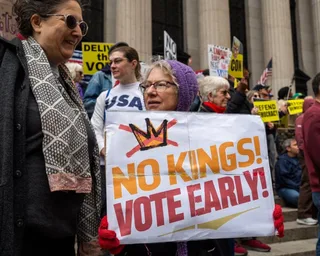
In January, Minnesota was an epicenter of Trump’s deportation efforts. He deployed about 3,000 federal agents to this blue state to comb the streets in search of immigrants to deport. The public soon took to the streets in opposition, with some protesters using their phones to record detentions while others sounded the alarm that Trump’s agents were in the vicinity.
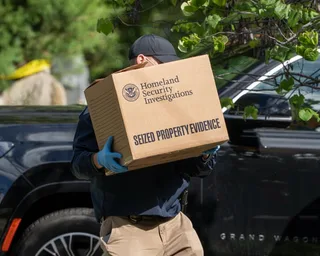
Yet rather than conduct an inquiry into the deportation agents’ often-unbridled violence , the administration turned its prosecutorial sights on the protesters. In what it called “ Operation Puppet Master ”, it used its enormous investigative powers to pursue a vendetta against an array of groups that opposed its deportation agenda.
Federal investigators justified the investigation by claiming that these groups might have provided help and money to the allegedly “violent opportunists and agitators” on the street. They also claimed that these groups provided “domestic terrorist financing”. This language parallels Trump’s directive last September expanding the definition of domestic terrorism to include using violence or intimidation to obstruct the rule of law.
Even if violence or other lawlessness occasionally broke out among the protesters, it is a huge leap to suggest that civic groups were criminally complicit. Federal conspiracy law is broad but not limitless. It requires two or more people to agree to commit a federal crime and for the accused to join that agreement.
It would hardly be surprising that various progressive groups banded together to monitor and oppose Trump’s deportations. But those activities are protected by the first amendment to the US constitution.
5News aggregated this summary from the outlet’s public feed. The full article, with all the context, is on www.theguardian.com — the content belongs to The Guardian US.