When it comes to rate hikes, CFOs aren’t counting on a ‘one-and-done’
Good morning.
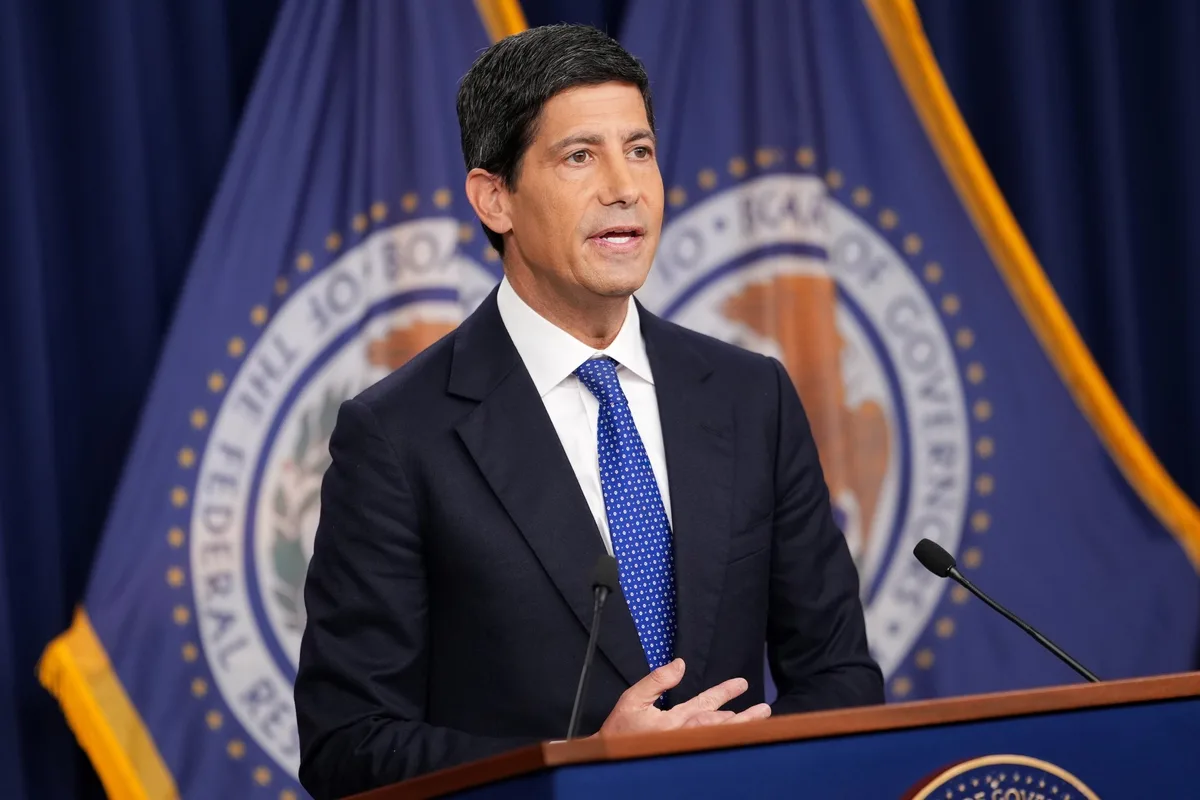
The Federal Open Market Committee voted unanimously on Wednesday to raise its benchmark rate a quarter point, to 3.75%-4%, the first hike since July 2023 and the first policy move of Chairman Kevin Warsh’s tenure.
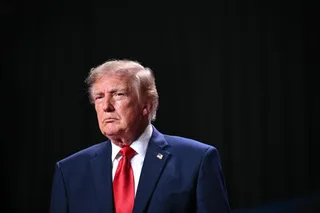
The decision put Warsh at odds with President Trump, who has publicly pushed for a rate cut .
The Fed’s updated projections show officials now see the median federal funds rate ending 2026 at 4.1%, up from 3.8% in June, pointing to another hike before year-end.
Officials have cited tariffs, an energy shock, and surging AI-related capital spending as inflation drivers.
Markets had largely priced in the Fed’s rate hike.
Stocks initially reacted modestly but ended lower.
Meanwhile, Treasury yields, already near multi-year highs, moved higher following the decision.
I asked Yiming Ma, associate professor of finance at Columbia Business School, what this means for corporate finance chiefs.
Her first point: any floating-rate credit lines or term loans just got more expensive, immediately.
But CFOs shouldn’t treat Wednesday as an isolated event.
“Usually, when the Fed starts to hike their interest rates, it’s the beginning of an entire cycle,” Ma said, and markets are already pricing in at least one more increase.
Ma’s sharpest advice is on stress testing: model funding costs and production costs together, since they share a root cause.
Higher energy prices, driven by geopolitical conflict, push up both inflation and input costs for oil-reliant companies.
5News aggregated this summary from the outlet’s public feed. The full article, with all the context, is on fortune.com — the content belongs to Fortune.