An amusement park on Mount Vernon? The agency tasked to protect cultural heritage just abdicated its responsibilities, opening the door for federal agencies to wipe out our past
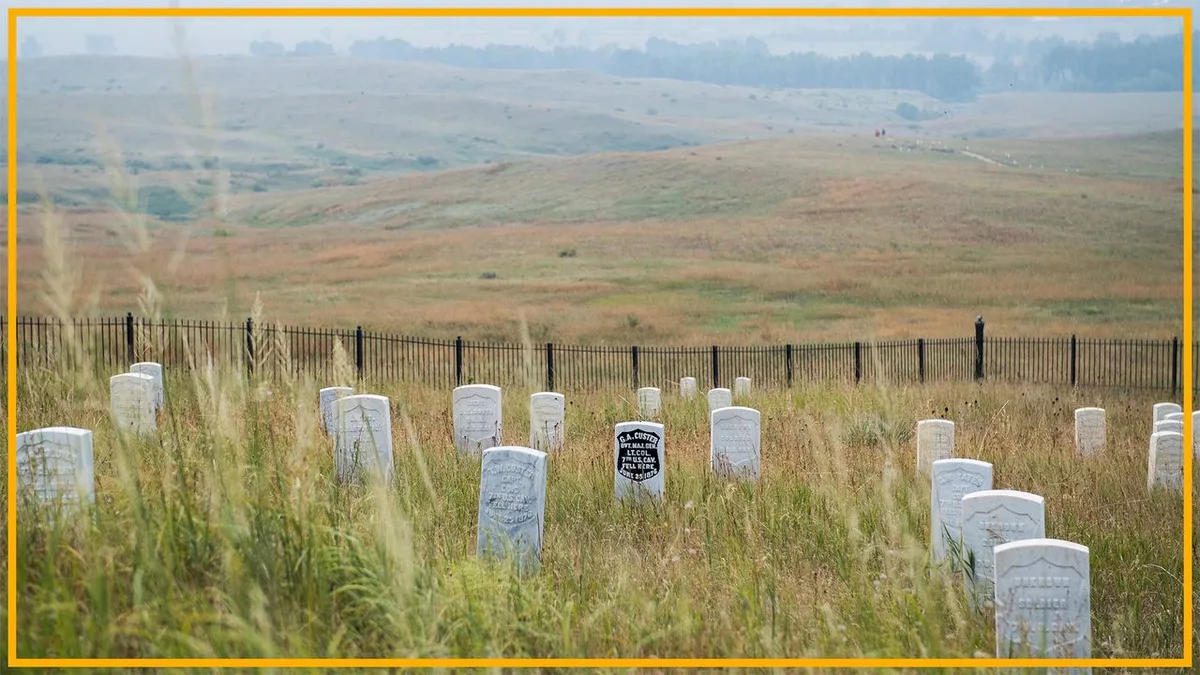
In July, a government agency tasked with protecting our cultural heritage abdicated its responsibility, voting to further industry's pursuit of profit over protecting sites of cultural significance.
The Advisory Council on Historic Preservation (ACHP), the only federal agency whose sole mission is promoting preservation of America’s historic places, voted to advance a proposed new rule that would make sweeping changes to how Section 106 of the National Historic Preservation Act is implemented.
By doing so, the Council is opening the door for federal agencies to bulldoze sacred Indigenous sites and important archaeological sites.
Section 106 requires federal agencies to assess the effects of their actions — or the actions they license or permit — on historic, archaeological, and cultural properties listed in or eligible for listing in the National Register of Historic Places.
Additionally, agencies must attempt, to the extent possible, to minimize harmful effects on these significant places.
The rules governing Section 106 have been in place since 1974.
As part of that framework, the government is legally required to consult with Tribal Nations about projects that may destroy or damage their sacred places or culturally significant resources.
The proposed new regulations destroy the idea behind consultation.
For instance, they would give federal agencies the discretion to decide whether public participation will be useful.
Essentially, the agencies get to decide whether to notify the public or provide opportunity for public comment before they approve projects that might damage or destroy historic properties.
It would also give federal agencies the right to approve projects that may damage or destroy Tribal sacred places and other culturally significant resources without consulting with Tribal Nations or seeking their expertise about them.
This violates federal law and jurisprudence, which recognizes Tribal Nations as "domestic, dependent nations," and requires consultation with them on a government-to-government basis; Tribal Nations are not merely “interested parties” like community organizations or local groups.
An agency official would prepare a "Section 106 report" that identifies historic properties, assesses impacts, and makes a determination on next steps; this Section 106 report would then be circulated to State Historic Preservation Officers, Tribal Historic Preservation Officers, and all relevant consulting parties — including project proponents — who would have an opportunity to comment on the findings.
5News aggregated this summary from the outlet’s public feed. The full article, with all the context, is on www.livescience.com — the content belongs to Live Science.