An Ode to State Fairs
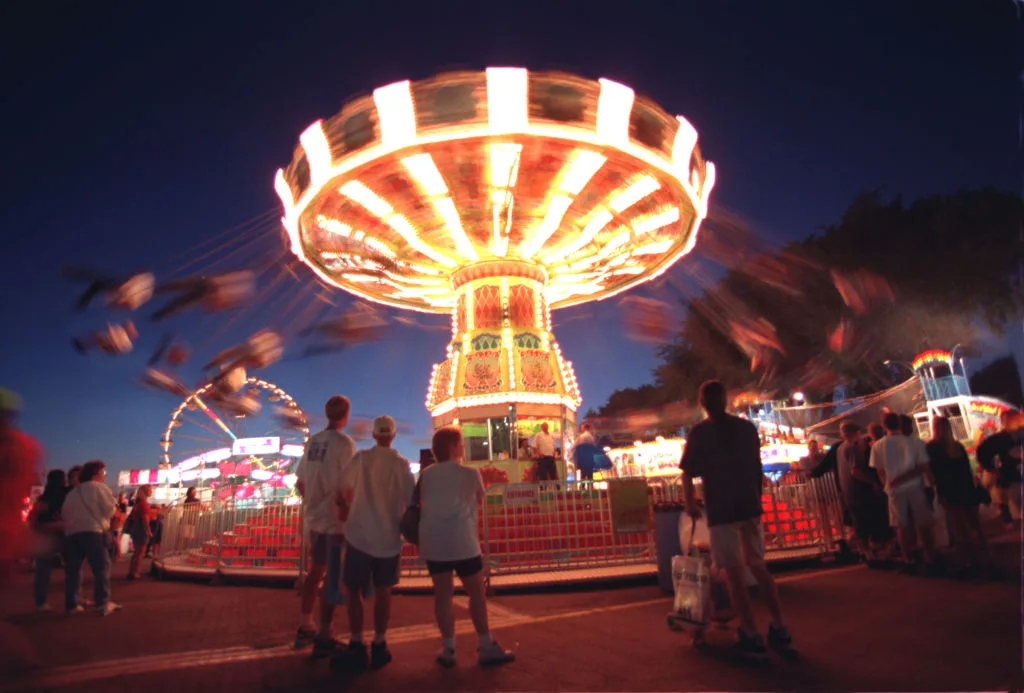
The opening day of the Minnesota State Fair in 1997. —Joey McLeister—Star Tribune via Getty Images On America’s 250th birthday this year, the White House’s “ Great American State Fair ” was supposed to bring the country together in a patriotic flurry.
Instead, it became a political rally beset by performer cancellations, sparse crowds, and a congressional investigation .
You might think the whole thing gave state fairs a bad rap.
But the truth is that state fairs were never meant to be national events.
These colorful smorgasbords of local culture were designed to help people connect on what makes their particular place great.
They work because they bank on a powerful and simple force in American life that’s as important as ever: local pride.
I say this as someone who lives in a state with one of the biggest state fairs in the country: Minnesota.
Every year, roughly 2 million people —over a third of our state’s population —wander through 322 acres at the “Great Minnesota Get-together,” eating 300,000 ears of corn , 200 tons of french fries , and 2.1 million pickle chips along the way.
Territorial fairs have been around since before we even became a state in 1858, and the fairs have adapted with the times for over 170 years.
Part of the magic of state fairs is that they’re wide open.
You can walk right up to almost anyone and start a conversation.
Within minutes of entering the Minnesota State Fair this year, I’d chatted with a candidate for Attorney General, a microbiologist specializing in invasive species, Minnesota’s secretary of state, a roofing business selling shingles, and employees at the local public radio station.
None of this took a calendar invite or a text chain.
In an age of digital everything with gatekeepers everywhere, it’s refreshing to be in a place where everyone’s at the same level: the dirt you’re walking on.
5News aggregated this summary from the outlet’s public feed. The full article, with all the context, is on time.com — the content belongs to TIME.