Trump says Venezuelan oil could replenish the U.S.'s depleted stockpiles. Will it?
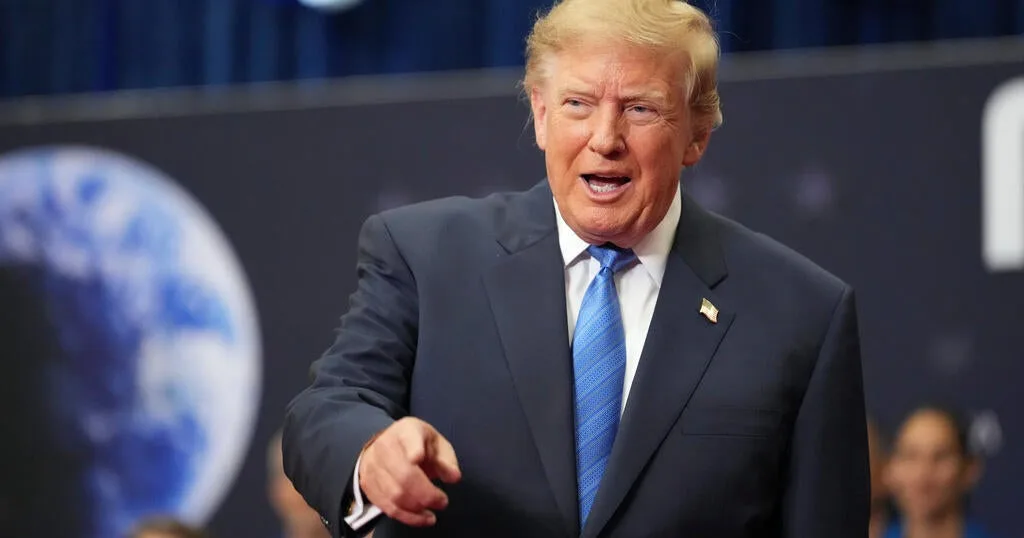
President Trump has framed last week's deal for the U.S. government to take a stake in Venezuela's oil reserves as a boon not just for gas prices, but also for the Strategic Petroleum Reserve, which has dropped to historically low levels.
"One of the things I am going to do with the Venezuelan Oil is fill up the Strategic National Reserves," Mr. Trump wrote on social media Sunday, saying "the 'topping out' process will begin very shortly, and is a Gift from Venezuela to the People of the United States."
The plan could face hurdles, energy experts say. The oil produced in Venezuela is far heavier than most of the crude in U.S. reserves and would need to be converted. And rebuilding Venezuela's ailing oil industry could take years , requiring oil producers to invest billions while navigating the country's still-uncertain political and legal landscape.
"This project is very unlikely to produce new investment and new production anytime soon," said David Goldwyn, a former federal energy official who serves as president of the consulting firm Goldwyn Global Strategies and chairs the Atlantic Council's energy advisory group. He predicted the U.S. is "at least two years, if not five to seven years at best, away from seeing that production reach the SPR, directly or indirectly."
Established in the 1970s, after an oil embargo by Arab states choked off shipments to the U.S., the Strategic Petroleum Reserve has room for more than 700 million barrels of oil across a series of massive underground salt caverns in Texas and Louisiana.
But currently, the reserve holds just under 290 million barrels , its lowest level since the 1980s.
Mr. Trump has blamed the shortfall on the Biden administration, which released more than 200 million barrels of oil from the reserve in an effort to tamp down energy prices, especially in the early days of the Russia-Ukraine war. The Trump administration has taken similar action to deal with the effects of the Iran war, pumping out over 100 million barrels in recent months.
The Department of Energy said in March it was planning to put 200 million barrels of oil back into the reserve within a year in order to make up for the Iran war-related drawdowns.
Then, last week, Mr. Trump announced the federal government struck a deal with Venezuela to take majority control of 65 billion barrels of proven oil reserves. The plan marks the Trump administration's most significant step to lure new investment to the Venezuelan oil industry since the U.S. military removed Venezuelan President Nicolás Maduro from power in January.
The White House has said the Pentagon will take a 35% equity stake in North American Blue Energy Partners, or NABEP, a private oil company that was granted concessions by the Venezuelan government to develop the oil fields.
As part of the arrangement, according to the White House, the U.S.
5News aggregated this summary from the outlet’s public feed. The full article, with all the context, is on www.cbsnews.com — the content belongs to CBS News.





