An alarmed bond market gets the Trump administration to act again
Christopher Rugaber, Associated Press Christopher Rugaber, Associated Press
NEW YORK (AP) — Normally quiet, the bond market can occasionally send warning signals loud enough to hit stock markets worldwide and even grab the attention of U.S. presidents and other world leaders.
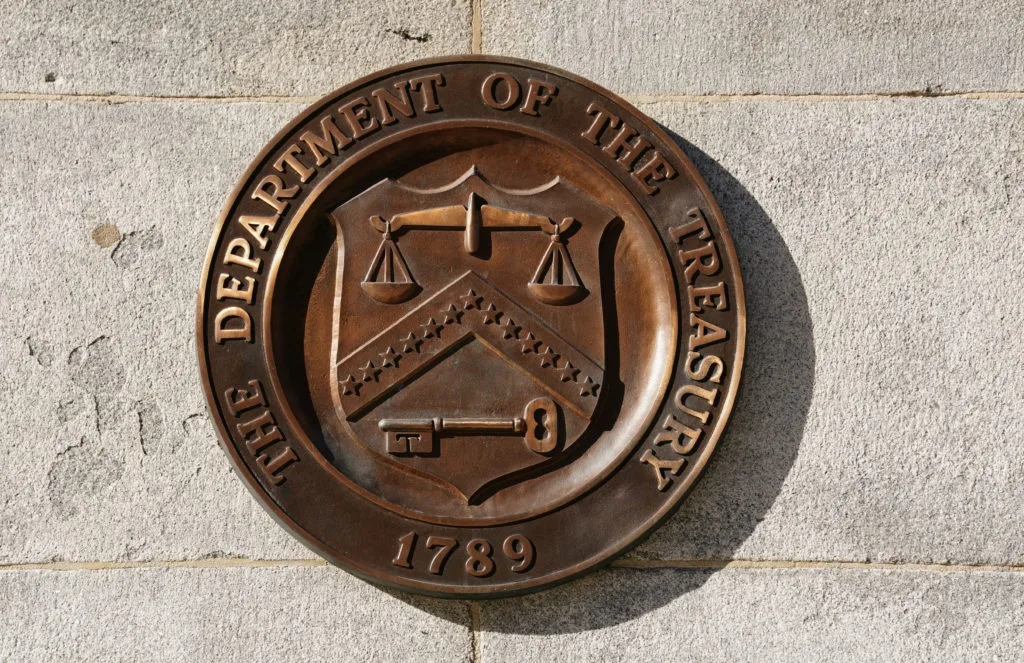
After the bond market's alarm bells rose in volume through the summer, the Trump administration announced on Wednesday a move that could help calm it down. The U.S. Treasury Department said it will more than double the amount of U.S. government bonds that it will buy back, and the move worked in getting longer-term yields lower, for now at least.
Yields worldwide had earlier climbed to heights not reached in years and, in some cases, decades, because of the jump in oil prices due to the war with Iran, worries about big and growing debts for governments and other concerns.
The stakes are high because high yields drag on economies and bring downward pressure on stock markets after Wall Street hit records on excitement about big corporate profits and the promise of artificial-intelligence technology.
READ MORE: Trump faces a new inflation warning from the bond market, adding to his midterm challenges
But what's to come is still uncertain, and some analysts warn the Treasury Department's move could even ultimately backfire.
In the United States, the centerpiece of the bond market recently touched its highest yield in more than a year. The 10-year Treasury yield, which shows how much interest investors want the U.S. government to pay them before they'll lend it money for a decade, topped 4.70%, before falling back to 4.65% Wednesday.
That's up from just 3.97% before the Iran war began in late February, and it's a significant move for the bond market.
READ MORE: What is the bond market, and why does it matter for the economy?
More notably, the 30-year U.S. Treasury yield has jumped well above 5%, back to where it was in 2007, before the 2008 financial crisis sent yields crashing toward zero worldwide.
In Japan, the yield on the 10-year government bond has touched its highest level in nearly 30 years, while the German 10-year yield is back to where it was in 2011.
When the U.S. and other governments have to pay more in interest to borrow money, so do people and companies.
For many U.S. households, that's most easily seen through rates for mortgages. Such rates have climbed with the 10-year Treasury yield since the Iran war began, and the average rate on a 30-year fixed mortgage is near its highest level in a year.
5News aggregated this summary from the outlet’s public feed. The full article, with all the context, is on www.pbs.org — the content belongs to PBS NewsHour.