How Dolly Parton Crossed Over Into Hollywood — and America’s Hearts
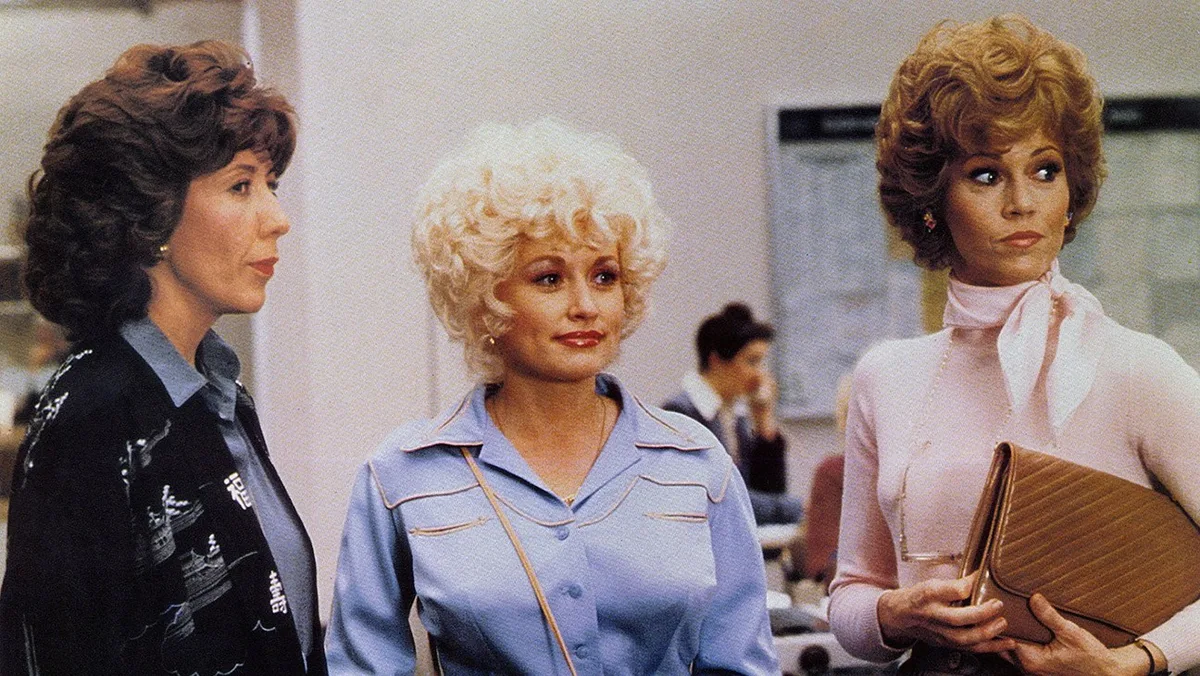
Dolly Parton was perfect for her breakout decade, the 1970s. Color TVs outsold black-and-white sets for the first time in 1972, the annus mirabilis in which she composed “Jolene” and “I Will Always Love You,” allegedly on the same day. With her huge yellow hair, chambray-blue wardrobe, and sunshiny radiance, Parton was engineered to beam straight through the screen into every American home. Both of those songs became number-one country hits, in ’73 and ’74, respectively, and Dolly, Porter Wagoner’s girl singer no more, became America’s rhinestone superstar.
The 70s were also the last golden age of an American monoculture, when most of us experienced the same programs, movies, and records at the same time. Country crossover wasn’t so much crossover as happy coexistence. Roy Clark could show up at Felix and Oscar’s New York apartment in The Odd Couple to demonstrate his virtuoso pickin’ skills and be summoned to Burbank to sub in for Johnny Carson as a guest host of The Tonight Show . Cliff Arquette’s hayseed character Charlie Weaver reliably occupied the lower left corner on Hollywood Squares . Hee Haw , the variety show Clark co-hosted with Buck Owens, thrived on TV in first-run syndication — it’s where this writer, like millions of other impressionable kids, first saw Parton perform “Coat of Many Colors,” her affecting song about the coat her mother sewed for her “from a box of rags that someone gave us.” Young Dolly wore the coat proudly to school, only to be ridiculed by mean kids who laughed at the sight of it. Dolly, unbowed, told off the poverty-shamers by saying she was actually rich, because of “the love my mama sewed in every stitch.” You couldn’t not be moved or besotted. Related Stories Music Harry Styles Pays Tribute to Dolly Parton at Madison Square Garden Residency Opening Night: "We Love You" Music Dolly Parton's Spotify Streams Spiked Over 1,200 Percent Following Icon's Death
5News aggregated this summary from the outlet’s public feed. The full article, with all the context, is on www.hollywoodreporter.com — the content belongs to The Hollywood Reporter.