Venezuela oil minister to U.S. companies: ‘It’s an entire world waiting to be discovered’
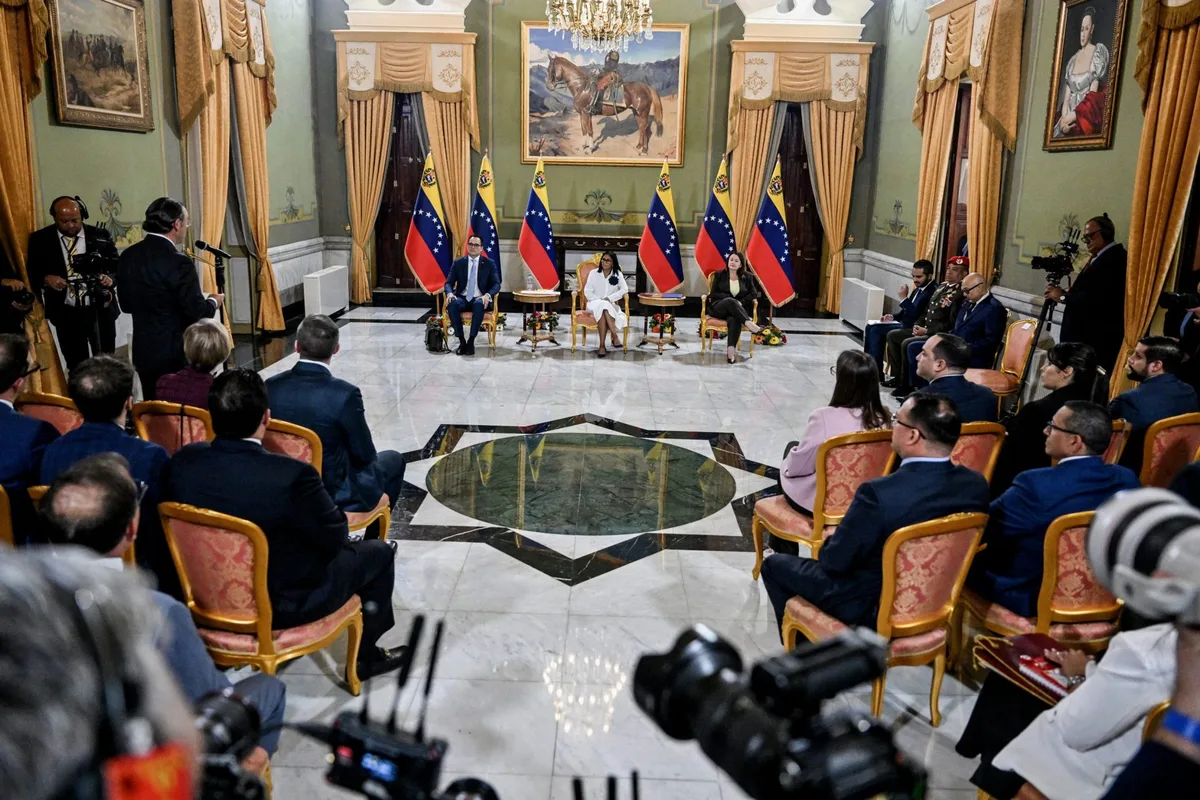
Venezuela’s new petroleum minister sees her South American home not as a dilapidated former oil giant, but as an emerging energy economy ripe for U.S. and foreign investments in new oil and gas exploration, both onshore and offshore.
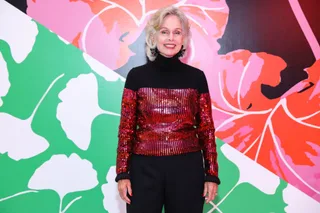
Paula Henao, who took over as the hydrocarbons minister in March after the forced U.S. removal of former leader Nicolás Maduro, told an overflowing Houston energy audience on Wednesday that Venezuela is much more than just its famed heavy-grade crude oil.
There are more than 916 exploration opportunities awaiting foreign investment, she said, including natural gas and other untapped oil basins.
She cited an estimated 192 trillion cubic feet of natural gas reserves, as well as the country’s world-leading proven oil reserves of more than 300 billion barrels.
“It’s an entire world waiting to be discovered, just waiting for us to reach these agreements so we can develop these new areas,” Henao said in Spanish to the crowd at the posh Post Oak Hotel in Houston.
Henao and leaders of the Venezuelan state oil company, PDVSA, were in Houston this week for meetings and a showcase event in advance of a bigger Venezuela Energy Week in February in Caracas.
“Go to Venezuela to invest, go to Venezuela to develop businesses there,” said PDVSA Vice President Jovanny Martinez, also speaking in Spanish.
“We are at the right place at this historical moment.
We have the energy that the world requires.” After decades of cycling between energy reform and renationalization, including the most recent 2007 appropriation of assets from ExxonMobil, ConocoPhillips , and others, there’s still a lot of hesitancy to invest in Venezuela as it again changes its hydrocarbon laws in the aftermath of Maduro’s ouster.
There’s a recognition that this could be the last great chance for the Venezuelan energy sector to thrive.
President Donald Trump has repeatedly insisted U.S. oil companies will spend more than $100 billion in Venezuela to dramatically rebuild its failing infrastructure but, apart from Chevron which never left, large U.S. energy companies are mostly taking a wait-and-see approach, despite Exxon expressing optimism.
Others, such as BP and Shell , plan to invest in offshore Venezuelan gas fields near Trinidad and Tobago.
Otherwise, it’s a bevy of smaller, private U.S. oil producers jumping in first.
A day prior to the Houston event, Venezuela signed new oil production agreements with the Dallas-based, private producer Hunt Oil and the major oilfield services firm SLB , which already works with PDVSA and Chevron in Venezuela.
5News aggregated this summary from the outlet’s public feed. The full article, with all the context, is on fortune.com — the content belongs to Fortune.