Is charged-off credit card debt easier to settle?
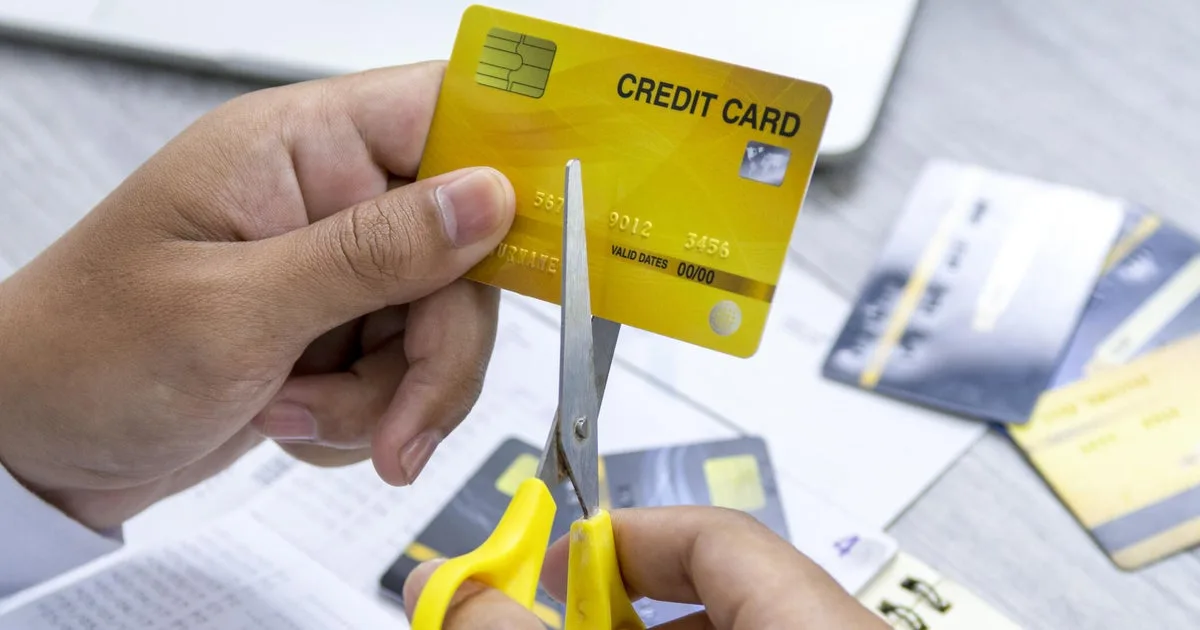
Credit card debt has been a growing issue over the last several years, and it remains a major source of financial pressure for many borrowers as we head into September. Case in point: Credit card balances climbed by $21 billion during the second quarter of 2026 to reach $1.26 trillion, while the flow of balances into serious delinquency remained elevated. Both metrics are a good indicator of how reliant many people have become on short-term borrowing — and how difficult it's become for some borrowers to fit even the minimum payments into their budgets.
For the borrowers who have already fallen significantly behind, though, the issue can compound quickly, especially if they're unable to get back on track with their debt obligations. After all, a credit card issuer can charge off an account after months of missed payments, which essentially acknowledges for accounting purposes that it's unlikely to collect the balance under the original terms. That doesn't erase what the borrower owes, though, and the collection efforts can continue .
What a charge-off can change, however, is the situation surrounding the debt — including who is trying to collect it and what options may be available for resolving it. So, if you're hoping to settle your credit card balance for less than you owe, does reaching the charge-off stage make that easier to do?
In some cases, charged-off credit card debt can be easier to settle than debt that's still current or only recently delinquent. However, a charge-off doesn't guarantee that your creditor or a debt collector will accept a settlement offer, as they're under no obligation to do so .
One reason settlement may become more realistic after a charge-off is that the account is already considered severely delinquent . Credit card issuers generally don't charge off an account after just one or two missed payments. That step is typically taken after you've failed to make at least the minimum payment for several months — and while the timeline can vary, it generally happens after about six months of nonpayment.
By that point, the creditor has already seen that collecting the entire balance through normal monthly payments may be difficult. As a result, the creditor or debt collector may be more willing to consider accepting a lump-sum payment or structured settlement for less than the full balance rather than continuing collection efforts with an uncertain outcome.
Who owns the debt can also matter. After charging off an account, the original creditor may continue trying to collect it, assign it to a collection agency or sell it to a debt buyer . If another company purchases the account, its willingness to negotiate can differ from that of the original issuer.
Your circumstances matter, too. A creditor or debt collector may be more receptive to settlement if you're experiencing a legitimate financial hardship and don't have the income or assets to repay the full amount you owe.
5News aggregated this summary from the outlet’s public feed. The full article, with all the context, is on www.cbsnews.com — the content belongs to CBS News.