Friday, October 9, 2026 SourcesAbout🌓
🇺🇸 US ▾
BREAKING
› Dominion still has pending lawsuits against election deniers such as Rudy Giuliani and Sidney Powell› Russia is 'going backwards' in equipment and deploying post WWII-era tanks, according to Western officials› Podcast: One country musician is calling for other artists to oppose assault rifles› Bidets save you money and reduce waste — we tested the best options out there› 50+ products to make your life easier and our planet cleaner› Mother's Day is around the corner. Here are 50+ thoughtful gifts she'll love› A head-to-toe guide of how men should dress this spring, and where they should shop› 42 of the most useful travel products you can buy on Amazon› The 7 best high-yield savings accounts of April 2023› Taxes are due tomorrow. Here's how to file for an extension› Dominion still has pending lawsuits against election deniers such as Rudy Giuliani and Sidney Powell› Russia is 'going backwards' in equipment and deploying post WWII-era tanks, according to Western officials› Podcast: One country musician is calling for other artists to oppose assault rifles› Bidets save you money and reduce waste — we tested the best options out there› 50+ products to make your life easier and our planet cleaner› Mother's Day is around the corner. Here are 50+ thoughtful gifts she'll love› A head-to-toe guide of how men should dress this spring, and where they should shop› 42 of the most useful travel products you can buy on Amazon› The 7 best high-yield savings accounts of April 2023› Taxes are due tomorrow. Here's how to file for an extension
Latest

What the Aftermath of 9/11 Taught Me
The Atlantic ·
What the Aftermath of 9/11 Taught Me

This article was featured in the One Story to Read Today newsletter.

Sign up for it here.

“B ut is it clean?” asked Elizabeth Berger, a 41-year-old mother of two.

It was five months after the terrorist attacks on September 11, 2001, and Berger was testifying at a Senate field hearing on air quality in Lower Manhattan.

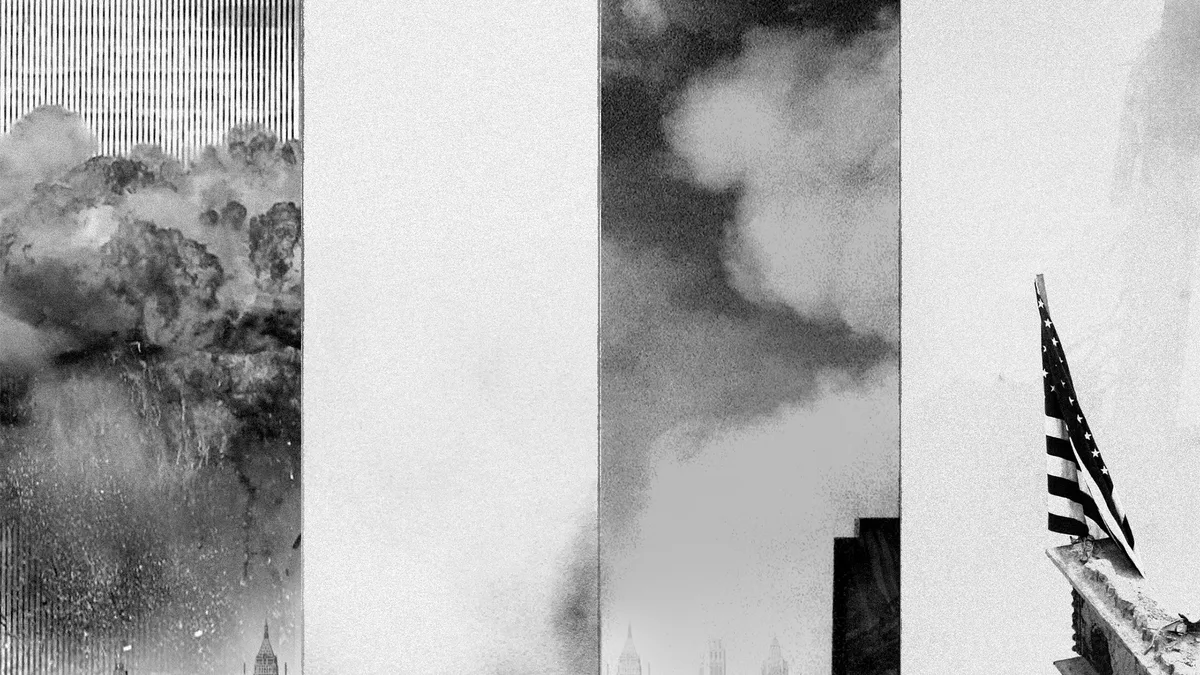
Just blocks away, at Ground Zero, responders were still sifting through what they called “the pile”—eight stories of twisted steel and debris, spread over 16 smoldering acres—searching for bodies, bone fragments, even scraps of clothing.

Outside, the air carried the acrid smell of burnt metal.

Berger had lived 150 yards from the World Trade Center for nearly two decades.

The complex was where her kids went roller skating and learned to ride their bikes.

After the Twin Towers collapsed, increased levels of air pollution and particulates showed up across a wide area of New York and New Jersey.

Lower Manhattan was covered in toxic dust.

It had taken eight men in white suits and respirators five days to clean Berger’s apartment.

She and her husband had thrown out trash bags full of toys and stuffed animals; handmade baby quilts; their clothes, sheets, and towels.

They washed the walls.

But every time the wind changed or she brushed dust from a shelf, Berger wondered what was still in the air, and whether it could make her children sick.

Read the full article on The Atlantic ›

5News aggregated this summary from the outlet’s public feed. The full article, with all the context, is on www.theatlantic.com — the content belongs to The Atlantic.


More from The Atlantic

See all ›

More in Latest

See all ›