What Colin Powell Did on 9/11
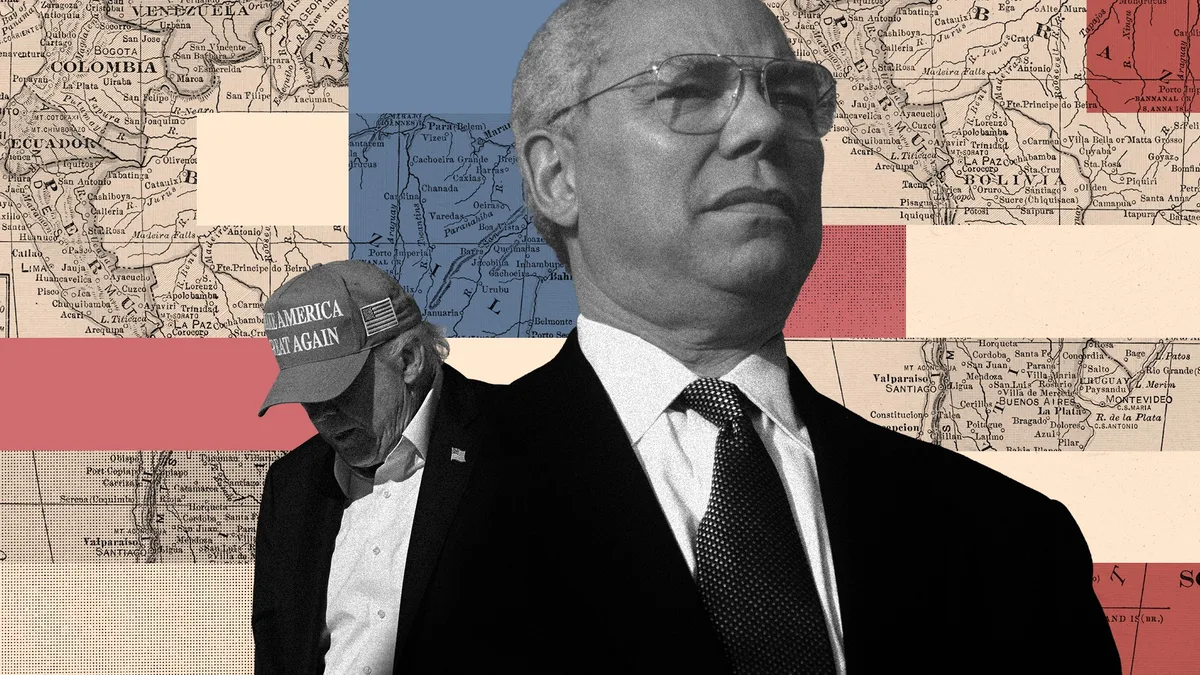
S ecretary of State Colin Powell was having breakfast with Peru’s president in Lima’s historic center on September 11, 2001, when an aide passed him a note to inform him that a plane had struck the World Trade Center.
Minutes later, he received a second note.
“Oh my God,” Powell said aloud.
Later that morning, as the scale of the destruction in New York and Washington was starting to become clear, Powell delivered remarks in a cavernous hotel ballroom.
Fears of additional attacks had forced the closure of U.S. airspace.
Even senior Cabinet members remained in the dark about President George W.
Bush’s whereabouts.
Peru’s leaders knew that the secretary of state—the fourth in line to succeed the president—would likely need to depart.
But Powell, a former chairman of the Joint Chiefs before he was picked by Bush to lead the Foreign Service, opted to stay—at least for a while.
The former general was in Peru, along with foreign ministers from across the Americas, to cement a new hemisphere-wide democracy charter that would enshrine the region’s commitment to free and fair elections and the rule of law.
I was there as a Lima-based correspondent covering the visit.
Countries across Latin America were emerging from a long period of despotism and military dictatorship.
The United States wanted to make sure the region didn’t backslide.
“A terrible, terrible tragedy has befallen my nation, but it has befallen all of the nations of this region, all the nations of the world, and befallen all those who believe in democracy,” Powell told the room full of officials, his voice grave but steady.
5News aggregated this summary from the outlet’s public feed. The full article, with all the context, is on www.theatlantic.com — the content belongs to The Atlantic.