Iran’s oil is trapped while rivals’ exports from the Persian Gulf are poised to surge, but Tehran could do whatever it takes to break the chokehold
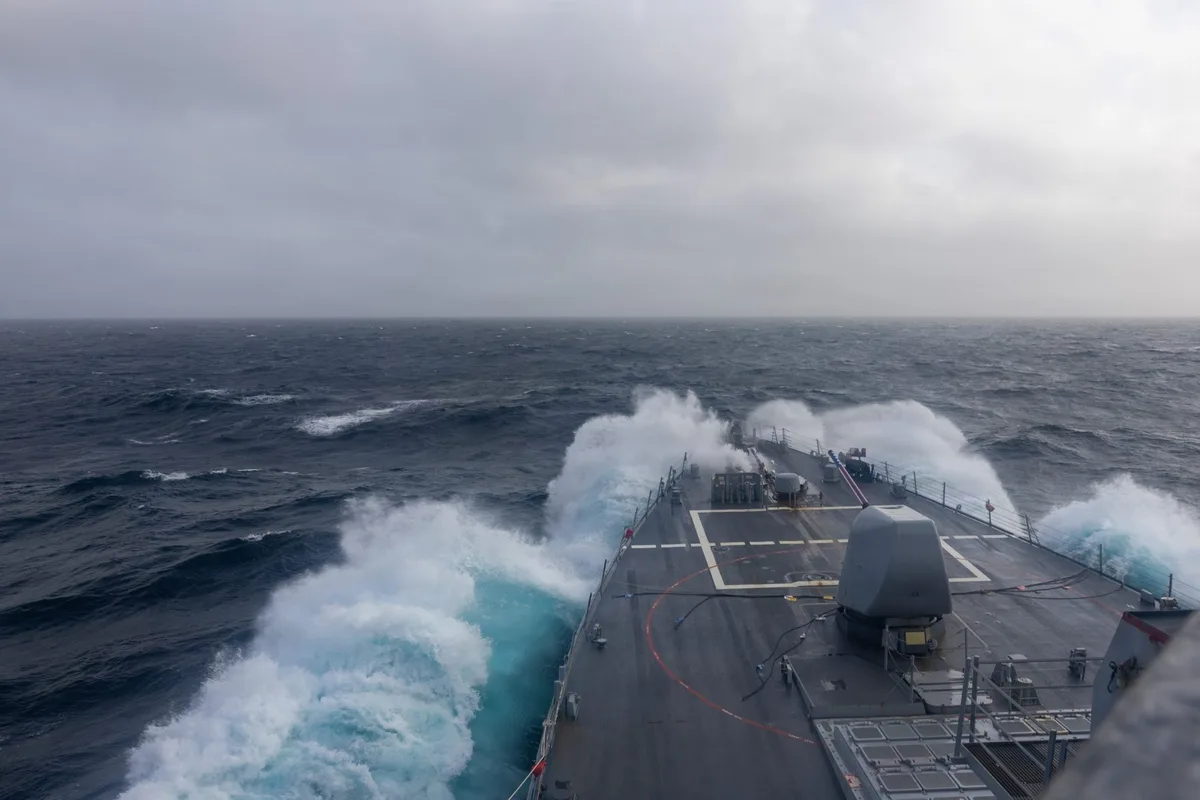
The U.S. can’t fully reopen the Strait of Hormuz, and Iran can’t stop every ship from transporting oil through narrow waterway.
At the same time, the U.S. is preventing Iran from exporting its crude supplies or importing critical goods, while American forces grapple with munitions and readiness issues.
The result has been a stalemate where oil prices stay choppy but relatively in check and missiles are still launched without all-out war returning.
This uneasy equilibrium, however, isn’t likely to last.
For now, significant volumes of oil are still sneaking through the Strait of Hormuz, contradicting Tehran’s claims that it’s completely closed off, as rivals Iraq, Qatar, Kuwait, and the UAE use a “dark” fleet to shuttle supplies in and out clandestinely via ship-to-ship transfers.
The Trump administration has claimed 8 million-9 million barrels a day are getting out this way, though analysts have put it closer to 7 million.
While that’s far less than the prewar level of 20 million, the oil flows through the strait plus exports via pipelines add up to about half that amount, buying global energy markets more time before going off a cliff.
And the amount of oil coming out of the Persian Gulf is poised to jump soon despite occasional Iranian attacks on tankers.
Export powerhouse Saudi Arabia looks like it’s about to join its neighbors in a big way, as satellite images show the kingdom’s ships on both sides of the strait positioning themselves for shuttle service.
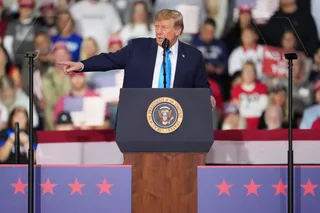
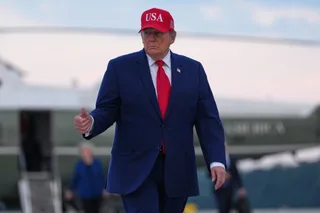
Meanwhile, the U.S. naval blockade that President Donald Trump reimposed is cutting off Iran’s oil exports as well as the revenue the regime generates from it.
Officials and business leaders in Tehran are increasingly warning that the blockade will crush the Iranian economy , which was already in shambles before the war.
Experts have cautioned that Iran’s repressive regime is unlikely to be swayed by the suffering of ordinary citizens and is prepared to wait out economic hardship longer than the U.S. public can endure high gas prices.
But Iran is also unlikely to do nothing while its economy keeps crumbling, forcing Trump to pivot back to a kinetic war from an economic war.
Majidreza Hariri, the head of the Iran-China Joint Chamber of Commerce, recently admitted the U.S. blockade will eventually inflict more economic damage than actual war.
5News aggregated this summary from the outlet’s public feed. The full article, with all the context, is on fortune.com — the content belongs to Fortune.