The Last American Dreamer
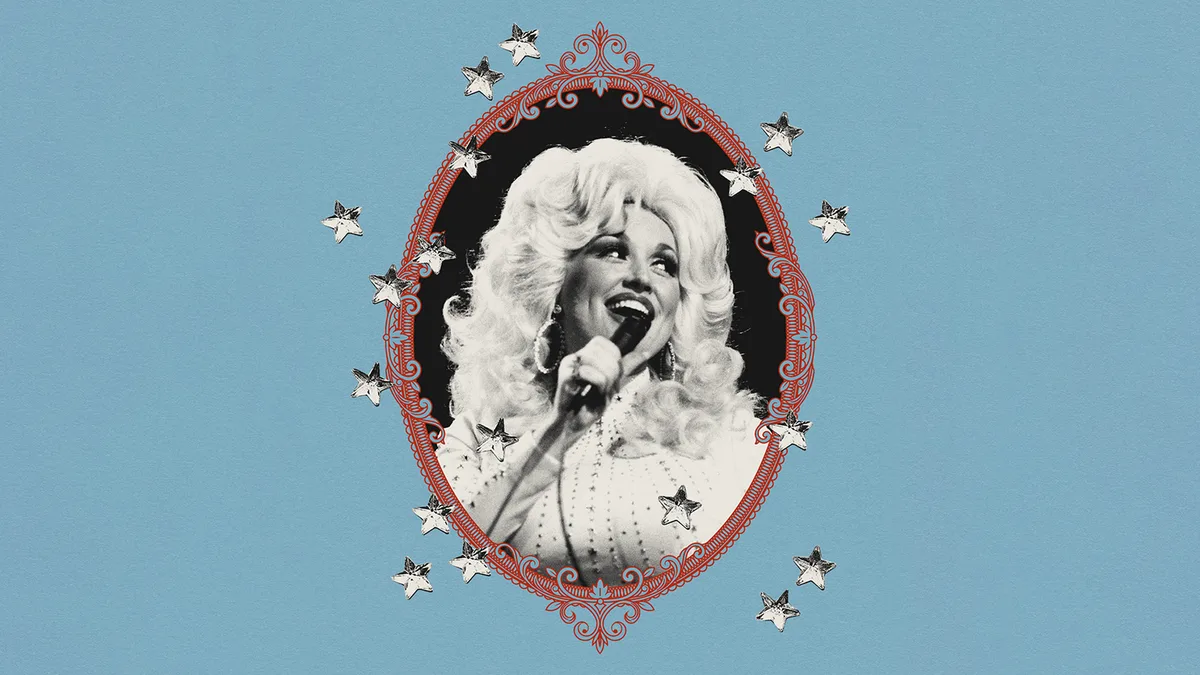
Growing up in Tennessee, I could hardly walk into a grocery store without hearing “Jolene” playing on the radio.
My mom sang fragments of “9 to 5” as she cooked Hamburger Helper on school nights, after clocking out of work.
At my babysitter’s house in the summer, where Country Music Television was our ambient noise, she’d shout, “Good golly, Miss Dolly!” every time a Dolly song came on (which was at least every 30 minutes).
Dolly Parton was more of an institution than a star to Tennesseans.
Her image was plastered on T-shirts and hung on walls, like Mother Mary would be in a Catholic home.
We vacationed at her amusement park, Dollywood, every school break.
No one ever used her last name—she was simply Dolly to us all, and she was living proof that tough odds were no match for a cup of ambition.
When Dolly’s death was announced yesterday afternoon, my phone lit up with texts from hometown friends.
“It feels like a member of our family died in Tennessee today,” one friend said.
My socialist sister said Tennessee’s poet laureate had left us.
My Donald Trump–voting father cried.
In Tennessee, whether you fly a MAGA flag or a Pride flag, one thing is for sure: You’re listening to Dolly.
Dolly mattered to southerners for so many reasons, but perhaps most of all for her origin story, which she called a “rags to rhinestones” tale.
She grew up four hours east of me, in a one-room cabin with her 11 siblings, in the depths of Tennessee Appalachia.
5News aggregated this summary from the outlet’s public feed. The full article, with all the context, is on www.theatlantic.com — the content belongs to The Atlantic.