The wildfire danger we’re only just beginning to understand
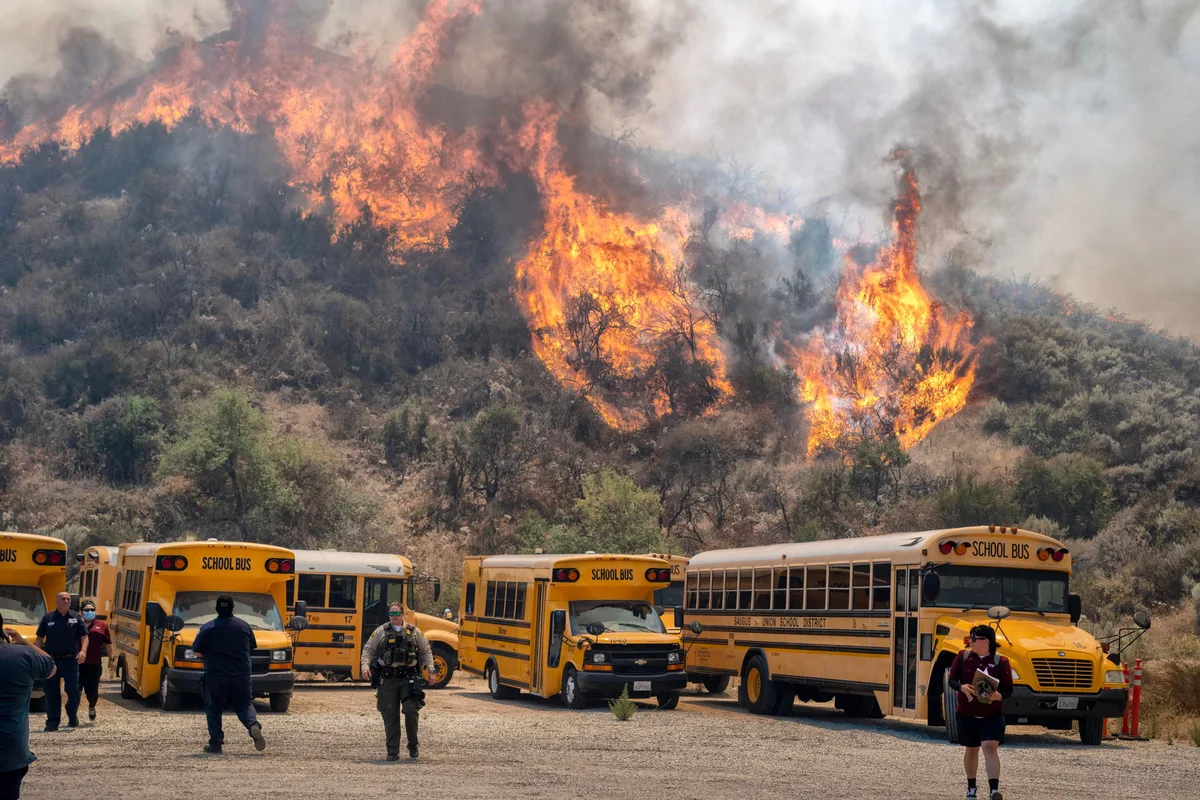
Wildfires are rapidly expanding into cities and suburbia, exposing us to toxic smoke now filled with burning plastics and metal. | Hans Gutknecht/Media News Group/Los Angeles Daily News via Getty Images Wildfires are popularly considered wild — restricted to the remote wilderness or the edge of forests, and to most, a problem for the dry and hot states of the Western US.
But over the past few years, and now across the country, these fires are getting less wild and far more urban.
Key takeways Urban construction is rapidly expanding into the wilderness, putting more communities closer to wildfires.
Fires in urban areas expose us to burning metals and other substances that release numerous toxic chemicals.
The long-term effects of those chemicals — including higher cancer risk and cardiovascular or respiratory illnesses — make wildfires more dangerous.
This summer, fires in Spokane, Washington, demolished over 800 homes in a suburban neighborhood, and earlier in the season, the northeast coast was engulfed in smog from fires in Ontario.
The Hawk Fire in Nevada razed more than 15,000 acres near Reno, destroying 47 homes before it was extinguished.
The Los Angeles fires of last year remain some of the most devastating in recent memory, with over 37,000 acres burned — much of it densely built residential neighborhoods — and displacing 205,000 people from their homes.
In Boulder, Colorado, the 2021 Marshall Fire destroyed nearly 1,000 homes .
This changing geography of fires is affecting the health risks they present, too.
When vegetation burns, it releases particulate matter, or PM 2.5, and with over 46 million homes in the continental US — this is approximately one-third of all homes — on the edge of fire-prone wildland, many more of us are being exposed to air filled with that soot.
This alone is a major health risk.
According to the World Health Organization, PM 2.5, is associated with premature death, severe damage to respiratory health, and cognitive impairment.
It is especially dangerous for aging populations: a study published in February found that accumulated exposure to wildland smoke was associated with greater hospitalization risk for various cardiovascular diseases in older Americans, including irregular heart rhythms and heart failure, even when they are only exposed to moderate levels of PM 2.5.
5News aggregated this summary from the outlet’s public feed. The full article, with all the context, is on www.vox.com — the content belongs to Vox.