German companies under pressure to adapt as China challenges them at their own game
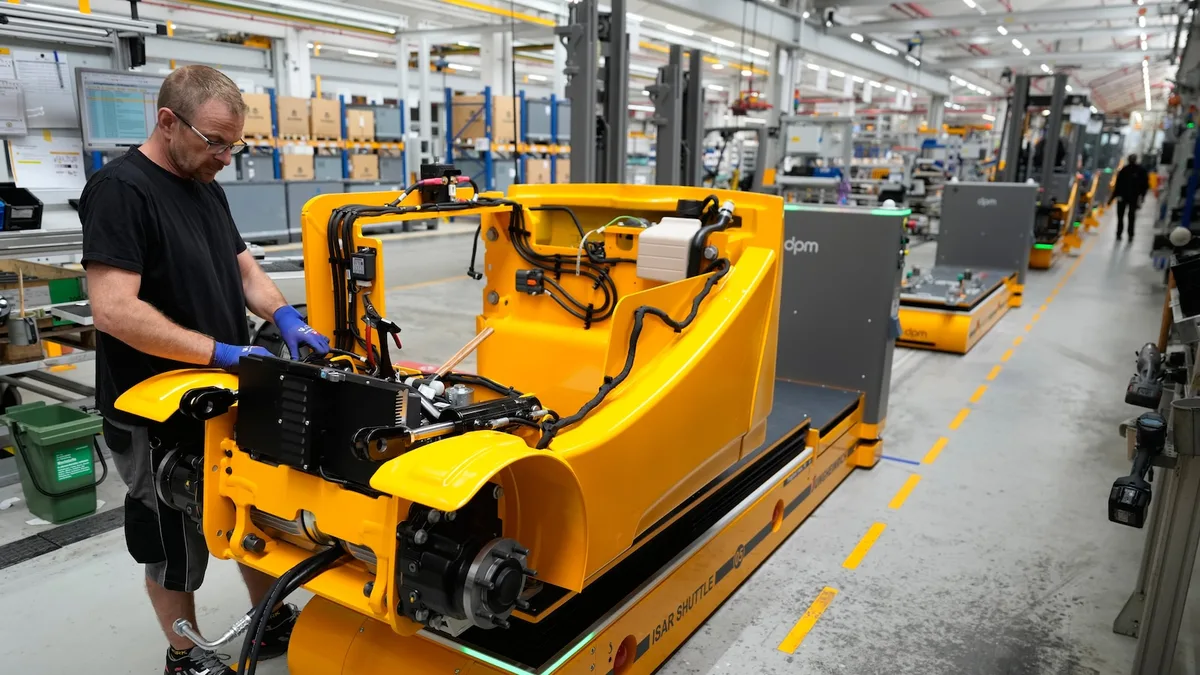
China is challenging Germany at its own game of making advanced, highly engineered machinery
MOOSBURG, Germany -- The heart of the German economy is making and exporting the big-ticket, complex goods that make global business run: everything from cars and locomotives to factory machinery, aircraft and construction equipment.
That model for growth is under serious pressure from a new competitor whose exports can often match or approach Germany's in quality and sell for far less: China.
The China shock — as economists call it — is emerging as a key reason for Germany’s chronic economic stagnation since the COVID-19 pandemic. The sluggish economy has helped make Chancellor Friedrich Merz’s governing coalition unpopular ahead of an election Sunday in the eastern region of Saxony-Anhalt in which the far-right Alternative for Germany has its best chance yet of getting its first state governor.
German companies once reaped fat profits selling to China. But the tables have turned as Beijing supports companies in targeted sectors — often where German companies make competing goods. China's goods cannot find enough buyers in China’s currently tepid economy, so they are shipped to foreign markets, including Europe.
The German economy — Europe’s biggest — has stagnated for several years, shrinking in 2023 and 2024 and showing only 0.2% growth last year. Although unemployment rate of 4% is lower than the EU average, Germans can see the unsettling headlines about job reductions at companies that have defined the German economy for decades: 50,000 at Volkswagen, with media reports of plans for more, 8,000 buyouts at BMW by the end of next year, a reduction of 13,000 at auto technology firm Bosch by 2030. And inflation has run ahead of wage increases after the pandemic, with last year's real wages only just catching up to where they were in 2019.
Costs must come down “in an environment where the Chinese total market is down by 20%, and Chinese competitors are increasing exports and thereby competitive pressure in Europe,” said Volkswagen’s finance chief, Arno Antlitz.
Germany's economy relies on exports that are similar to the kind of manufactured goods that Beijing is now targeting for support. Other major economies such as Britain, Italy and France have smaller manufacturing sectors, while U.S. tariffs block many Chinese goods, above all autos.
Germany now buys more from China than it sells in precisely the categories where German companies once dominated: cars, trucks, buses and trains, aircraft, factory machinery and medical devices. “China has already eaten much of German industry’s lunch and is preparing to start on dinner,” wrote economists Brad Setser and Sander Tordoir.
Jungheinrich AG, a German maker of forklifts and warehouse vehicles, is partnering with Chinese manufacturer EP Equipment to make AntOn, an entry-level forklift that can match competitors on price.
5News aggregated this summary from the outlet’s public feed. The full article, with all the context, is on abcnews.go.com — the content belongs to ABC News Money.