Trump pivoted from bombs to an economic war against Iran. But Tehran is now ‘fully offensive’ and doesn’t think the real fighting hasn’t started yet
President Donald Trump has repeatedly signaled he’s in no hurry to reach a deal with Iran as he pivots from all-out war to a campaign of economic pressure.
After 40 days of heavy bombing and two more weeks of daily attacks, the U.S. is now relying on a naval blockade to force Iran to fully reopen the Strait of Hormuz and return global oil markets to normalcy.
But the regime has plans to go into attack mode soon if there’s no diplomatic progress, forcing the U.S. back into major combat just as vulnerabilities have emerged in its own military.
Iran has shifted from a defensive stance to a “fully offensive” one, a senior Iranian official told Reuters on Monday, citing the stalemate with the U.S. on talks.
Unless the U.S. implements the June ceasefire deal in a few weeks, Iran will launch a “timely and precise” attack to break the blockade, the official warned.
“Iranian entities must be prepared to escalate tensions in the Strait of Hormuz and wider region, as Iran will be ready to make decisions and take action on difficult decisions,” the official added.
The threat comes after Iran recently reorganized its military to be more aggressive as factions in the government abandon hopes for negotiations.
Sources told The Wall Street Journal Arab intelligence detected preparations for a wider war, including the deployment of Iranian commanders, weapons, and intelligence to regional militias aligned with the regime.
Iran’s Islamic Revolutionary Guard Corps has also drawn up plans for more escalation, such as sabotaging internet cables in the Persian Gulf, fomenting unrest in neighboring states with large Shia populations, and even a potential ground assault in Kuwait, the report added.
“There is also a widespread view in Iran that the main war has not yet begun,” Mohammad Hassan Sangtarash, a Tehran-based defense analyst close to the Iranian government, told the Journal .
“What we have seen so far is increasingly interpreted through the lens of ‘salami-slicing’ tactics—limited, incremental escalation designed to weaken capabilities before a larger confrontation.” Despite seeing its conventional forces decimated by the U.S.-Israeli bombardment earlier in the war, Iran has seen its tactical situation improve recently.
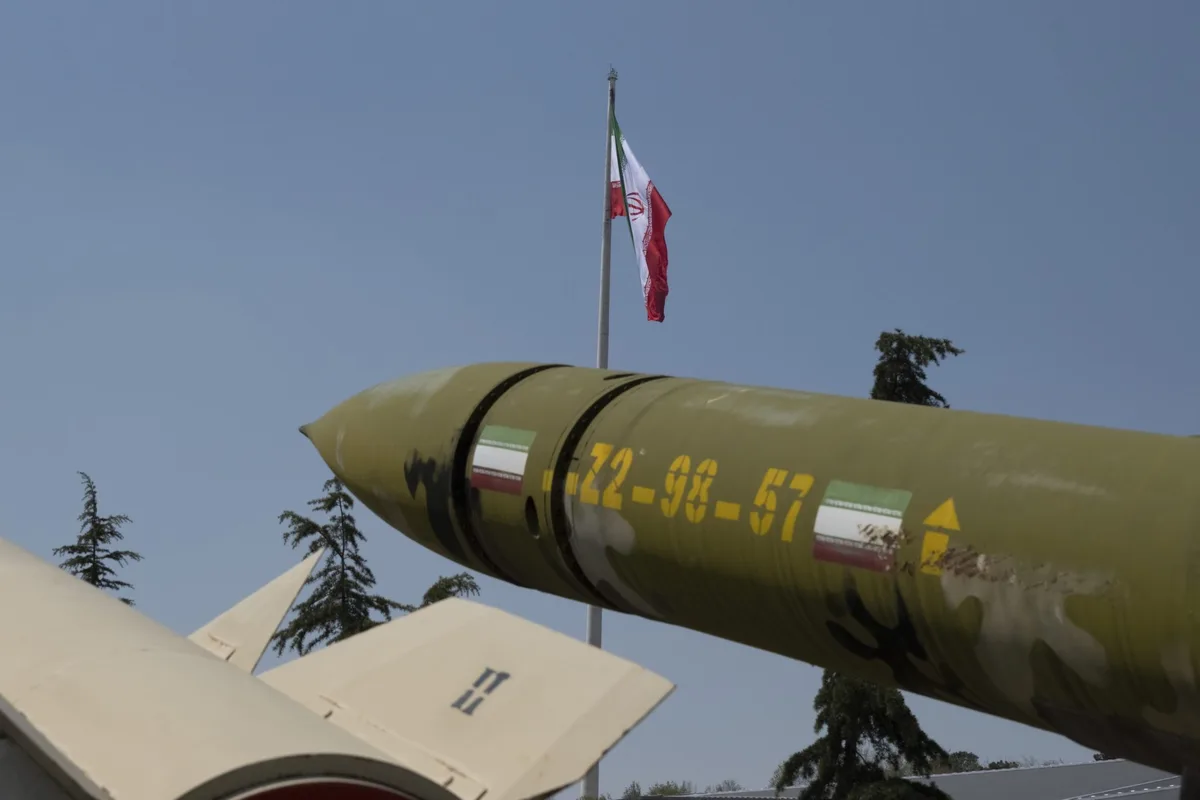
Iran has developed new missiles that are better at evading air defenses, making U.S. military assets and allied oil infrastructure around the region more vulnerable.
The U.S. military has also expended much of its interceptor stockpile, which is now so low it reportedly factored into Trump’s decision to call off a major re-escalation of war.
In addition, even maintaining the naval blockade has strained U.S. forces as the U.S.S.
5News aggregated this summary from the outlet’s public feed. The full article, with all the context, is on fortune.com — the content belongs to Fortune.