America's changing disaster risk hits energy
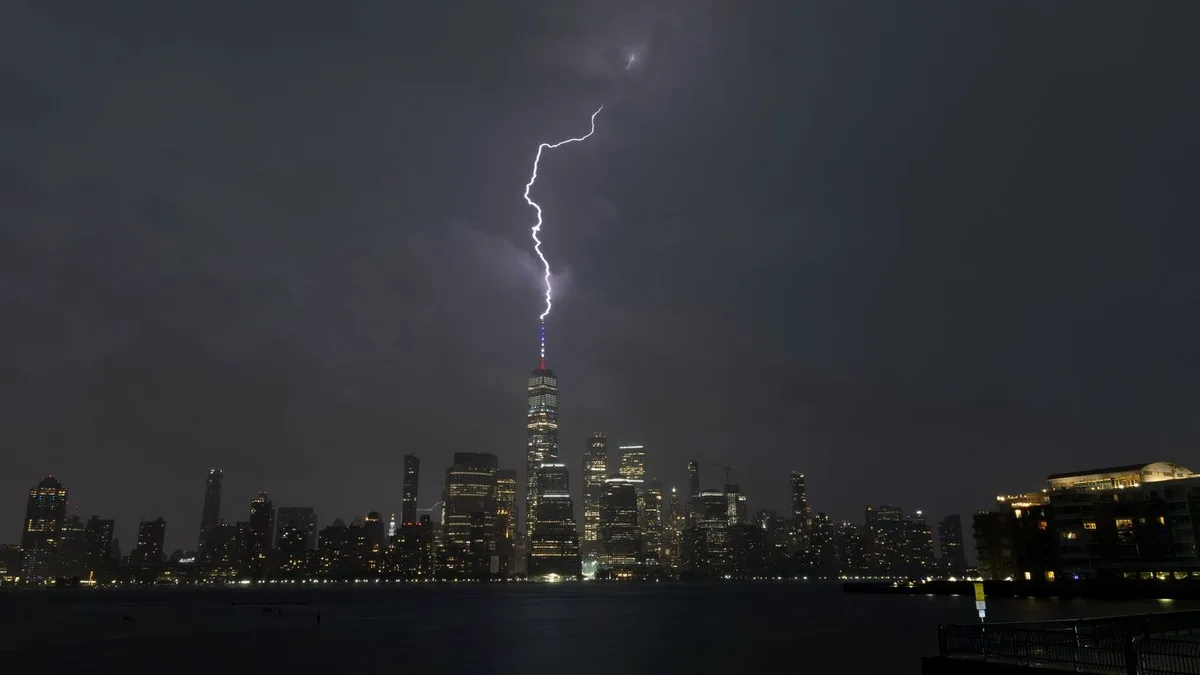
Hurricanes have long dominated efforts to make the power system more resilient to extreme weather .
But America's energy buildout is running into growing risks from severe thunderstorms.
Why it matters: New energy infrastructure and data centers are being built in harm's way as severe weather risks shift , leaving more for developers and insurers to lose when storms hit.
Driving the news: Severe thunderstorms account for 40% of modeled global insured catastrophe risk, compared with 27% for hurricanes , according to analysis from risk analytics firm Verisk.
The U.S. accounts for $117 billion, or 68%, of Verisk's modeled global insured catastrophe losses .
Threat level: A warmer atmosphere can hold more moisture, potentially creating more favorable conditions for powerful thunderstorms.
But the effects of climate change on severe storms are complicated.
National Oceanic and Atmospheric Administration research scientist Harold Brooks told Axios that other atmospheric conditions needed for severe storms may become less favorable as the planet warms.
Reality check: Verisk's Jay Guin said growing exposure, more than climate change, is the dominant driver of rising insured losses, as more and increasingly valuable property is built in harm's way.
Guin says climate change contributes, but expanding development and higher reconstruction costs are much larger drivers.
Zoom in: America's changing energy system is creating new kinds of exposure.
Verisk is assessing risks to renewable projects in tornado- and hail-prone areas, where Guin said large hail can cause major damage to solar farms.
"While they are renewable, you have a new asset class that is quite vulnerable," he said.
Data center developers must balance natural-hazard exposure against access to land, power and water.
5News aggregated this summary from the outlet’s public feed. The full article, with all the context, is on www.axios.com — the content belongs to Axios.