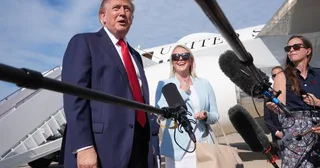
Trump says the Iran war "will continue for as long as necessary"
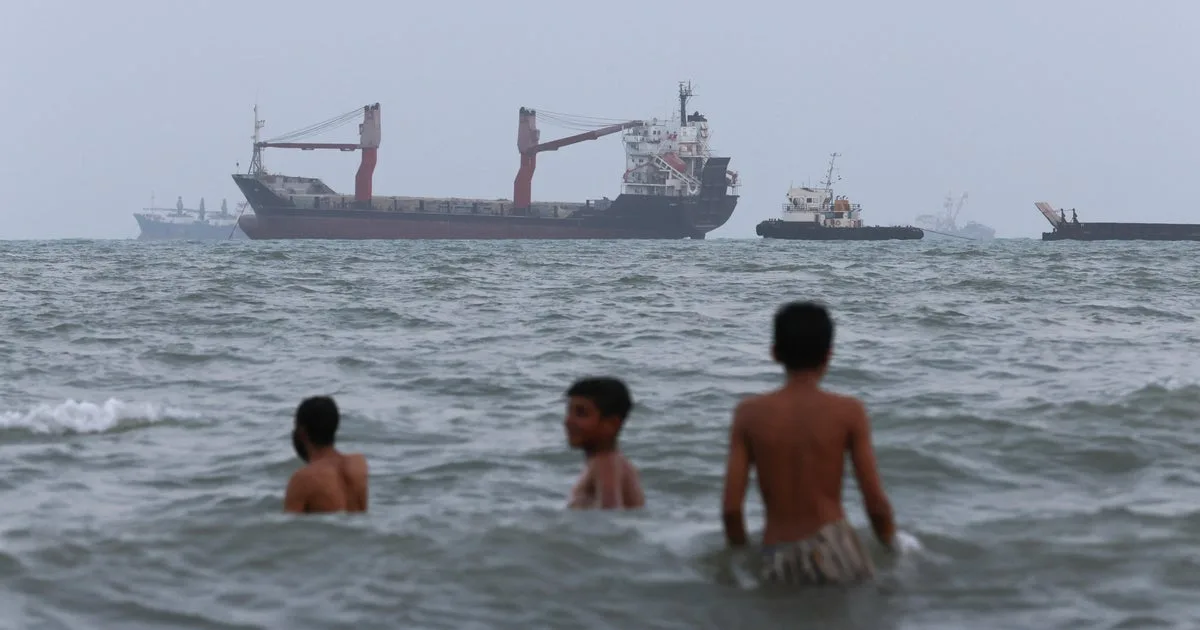
Long lines formed at gas stations in Tehran Tuesday after the United States announced fresh sanctions aimed at pressuring Iran into submission.
Washington has turned to pulling economic levers six months into a war on Iran that has ground to a stalemate militarily, with peace talks stalled and most traffic through the crucial Strait of Hormuz blocked.
Treasury Secretary Scott Bessent on Monday laid out plans for the "economic asphyxiation" of Iran, saying the "objective is to sever every economic lifeline that sustains this tyrannical regime."
Though Iran's leaders have shrugged off the tough talk, having already endured sanctions for decades, some residents of the capital feared that they would feel the pinch.
"Naturally, sanctions affect people's lives," realtor Mehdi Yazdian, 55, who urged the authorities to control prices, told the AFP news agency. "People are being hurt, both those who are financially well-off and those who are financially weak."
"Yes, these sanctions are having an effect," he said. "But naturally, our people are resilient. These sanctions have been in place for 47 years."
"I personally am not afraid of war at all because this is our land," English teacher Kia Farahani, 45, said. "But I think that this war will be more economic and will cause people to feel a lot of pressure, and now maybe there will be protests again."
Iran's national police chief said Monday that the U.S. was "seeking to create unrest in a part of the country or throughout the country," by imposing the additional economic pain.
Oman's foreign minister said Tuesday he was "hopeful" a temporary route through the Strait of Hormuz would be announced "soon," after meeting with Iran.
In a joint statement, Iran and Oman said they had discussed a proposal for a temporary reopening of the Strait of Hormuz which includes a specific route and a plan to clear mines.
The two countries have held regular meetings on the future management of the Strait of Hormuz as laid out in the memorandum of understanding signed in June.
"I am hopeful we will soon announce a temporary corridor for the Strait of Hormuz and practical arrangements to restore safe navigation," Oman's Foreign Minister Bdr Albusaidi said in a social media post. "Future management of the Strait and a permanent solution will follow in due course," he added.
However, Iranian Deputy Foreign Minister Kazem Gharibabadi warned on Wednesday the United States would have to lift its blockade on the narrow waterway.
"Before any action is taken to reopen the Strait of Hormuz, the United States must fully implement all of the commitments it has violated," he said.
5News aggregated this summary from the outlet’s public feed. The full article, with all the context, is on www.cbsnews.com — the content belongs to CBS News.