How GoFundMe became America’s backup plan
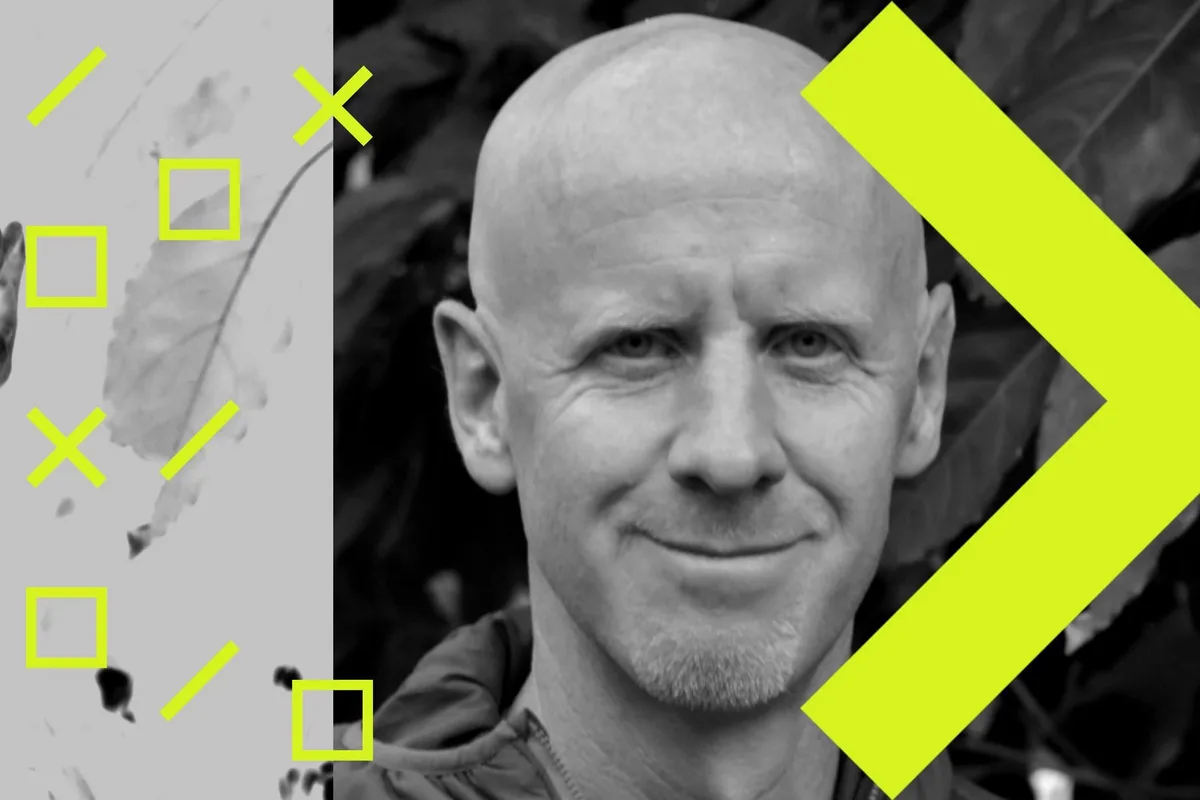
Today on Decoder , I’m talking with Tim Cadogan, the CEO of GoFundMe.
You know GoFundMe — it’s a major fundraising platform where you can donate to help people with everything from medical expenses to little league uniforms to starting a new business.
Tim took over as CEO in March 2020 — a fascinating and chaotic moment in the United States, and the moment, you’ll hear me argue, I think GoFundMe became a load-bearing part of American culture.
Verge subscribers, don’t forget you get exclusive access to ad-free Decoder wherever you get your podcasts.
Head here .
Not a subscriber? You can sign up here .
It wasn’t just the pandemic that changed the nature of fundraising platforms like GoFundMe.
2020 was a major turning point in the history of political unrest in the US, and GoFundMe has become a central player in many contentious news events since — not just in the US, but all over the world.
The platform is also now a kind of proxy for the broken healthcare system — medical expenses are the most popular category of fundraising on GoFundMe.
You might be surprised to hear Tim say this is not just in America, but in every market GoFundMe operates in.
All of this means GoFundMe sits inside a ton of big, messy ideas: wealth distribution, geopolitical conflict , the holes in the social safety net.
And that’s also in direct tension with the platform being a for-profit company, collecting fees and tips and feeling the pressure to grow as a business.
So you can imagine I had a lot of questions for Tim: how he thinks about all this, and how he makes some very tough decisions about what money to make and what money not to make.
To his credit, he was game to go there and talked about it all pretty openly.
5News aggregated this summary from the outlet’s public feed. The full article, with all the context, is on www.theverge.com — the content belongs to The Verge.