U.S. Treasury 30-Year-Yield Hits Highest Level Since Before 2007 Crash
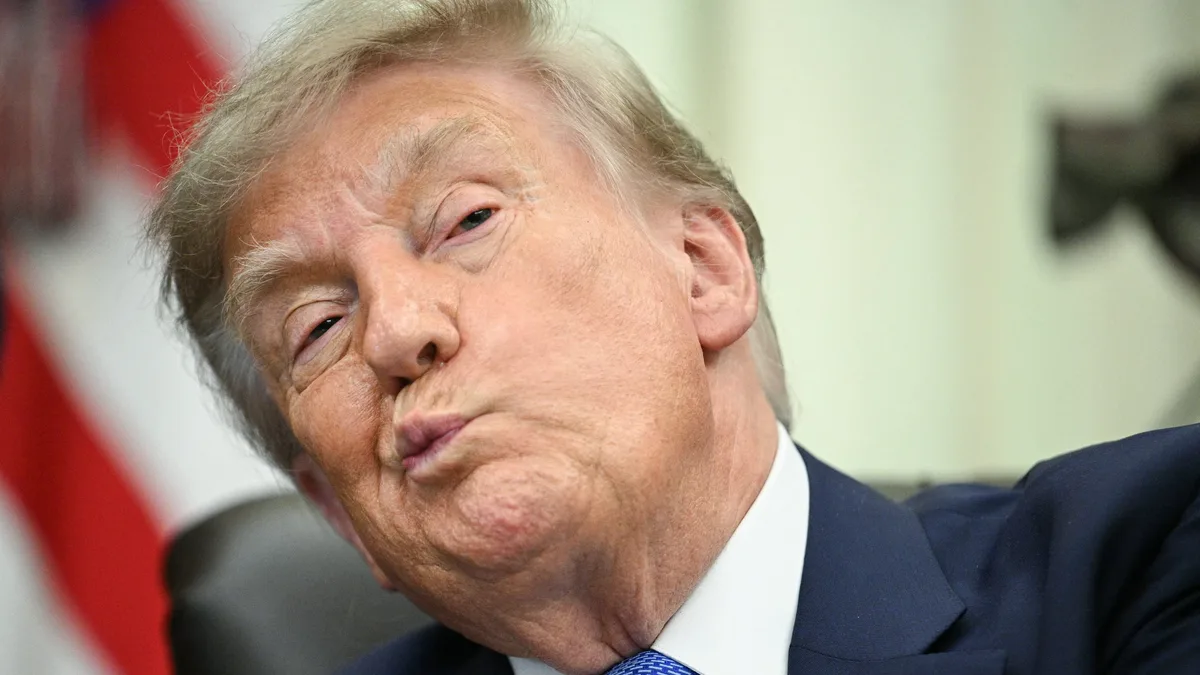
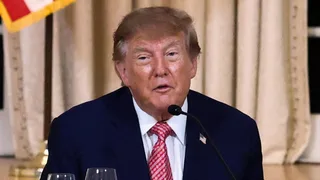
JIM WATSON / AFP via Getty Images President Donald Trump’s disastrous second stint at the White House has set off a market fireworks display not seen since the eve of the 2007 financial crisis that cratered the global economy.
In simple terms, investors are reluctant to lend the government money, and are demanding more in return.
That innocent-sounding tidbit signals that everything from mortgages to car loans and credit cards is about to get more expensive.
It’s happened partly because of the carnage Trump, 80, has inflicted by borrowing more cash himself, going to war with Iran, failing to curb inflation, and handing out favors to his pals in the AI industry.
The shift slams hard into the president’s claims of having ushered in a veritable golden age of U.S. economics.
He told a Las Vegas rally earlier this month that his administration has achieved the “greatest economy we’ve ever had by far,” with only a touch less self-assurance than when he told Fox Business in February that “I think we have the greatest economy actually ever in history.” Washington has long spent more than it brings in.
To cover some of the gap, it borrows, selling bonds to investors who hand over cash now in return for that money back, plus interest, at the end of a fixed term.
What the government pays those lenders is called the “yield,” and the market sets it.
When lending to Washington looks risky, investors demand more.
When it looks safe, they’ll accept less.
The yield on 30-year bonds issued by the U.S.
Treasury hit 5.327 percent on Tuesday, Reuters reports .
That’s a whisker below where it stood in 2007, when it topped out at 5.44 percent just before the global financial system began to fall apart.
What came next was more than a decade of cheap money.
5News aggregated this summary from the outlet’s public feed. The full article, with all the context, is on www.thedailybeast.com — the content belongs to The Daily Beast.