What to Know About Trump’s Russia-Ukraine ‘Energy Ceasefire’ Claim
U.S.
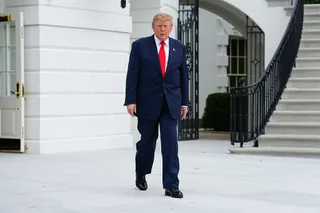
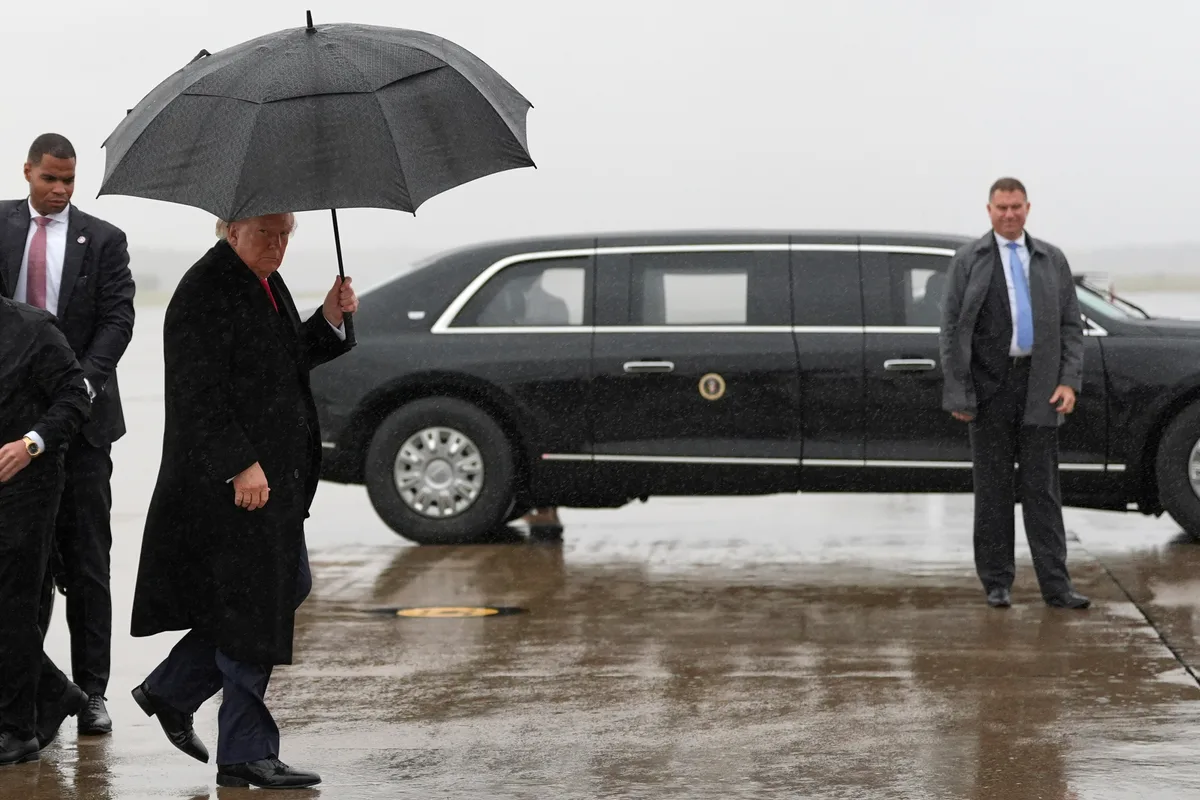
President Donald Trump speaks to members of the press after landing on Oct.
10, 2026, at Joint Base Andrews, Maryland. —Roberto Schmidt—Getty Images President Donald Trump claimed Sunday that Ukraine and Russia had agreed to an “energy ceasefire,” one day after blaming Kyiv—and, specifically, President Volodymyr Zelensky —for the diesel shortage driving up prices in the U.S.
“Effective immediately, there is an ENERGY CEASEFIRE in the War between Russia and Ukraine,” Trump posted on Truth Social on Sunday , without providing additional details about the deal.
“Both parties have agreed.
Do not break it!” Zelensky told Axios the same day that the ceasefire “was news for me.” He also confirmed that Russian strikes on Ukrainian energy infrastructure continued Sunday.
He wrote on X that Ukraine “supports the ceasefire, and it’s important for Russia to support it as well.” Zelensky offered a similar response when Trump made the same unsubstantiated announcement Sept.
14.
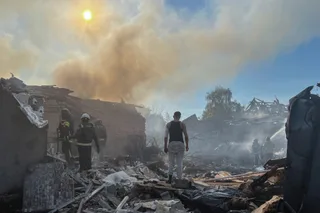
In the days that followed, however, both countries continued to strike one another’s energy facilities.
Read More: The G7 Is Releasing Emergency Fuel Reserves.
How Much Will It Help Americans? Trump has repeatedly asked Zelensky to stop targeting Russian oil refineries and blamed Ukraine for contributing to global diesel shortages.
In doing so, he has falsely implied that this is a primary factor in the ongoing global shortage.
The main contributor to the current crisis is the U.S. war with Iran, which has resulted in blockades on the Strait of Hormuz, through which one-fifth of the world’s oil passed prior to the start of the war in February.
On Oct.
5News aggregated this summary from the outlet’s public feed. The full article, with all the context, is on time.com — the content belongs to TIME.