My annual performance review made me realize we need to kill performance reviews
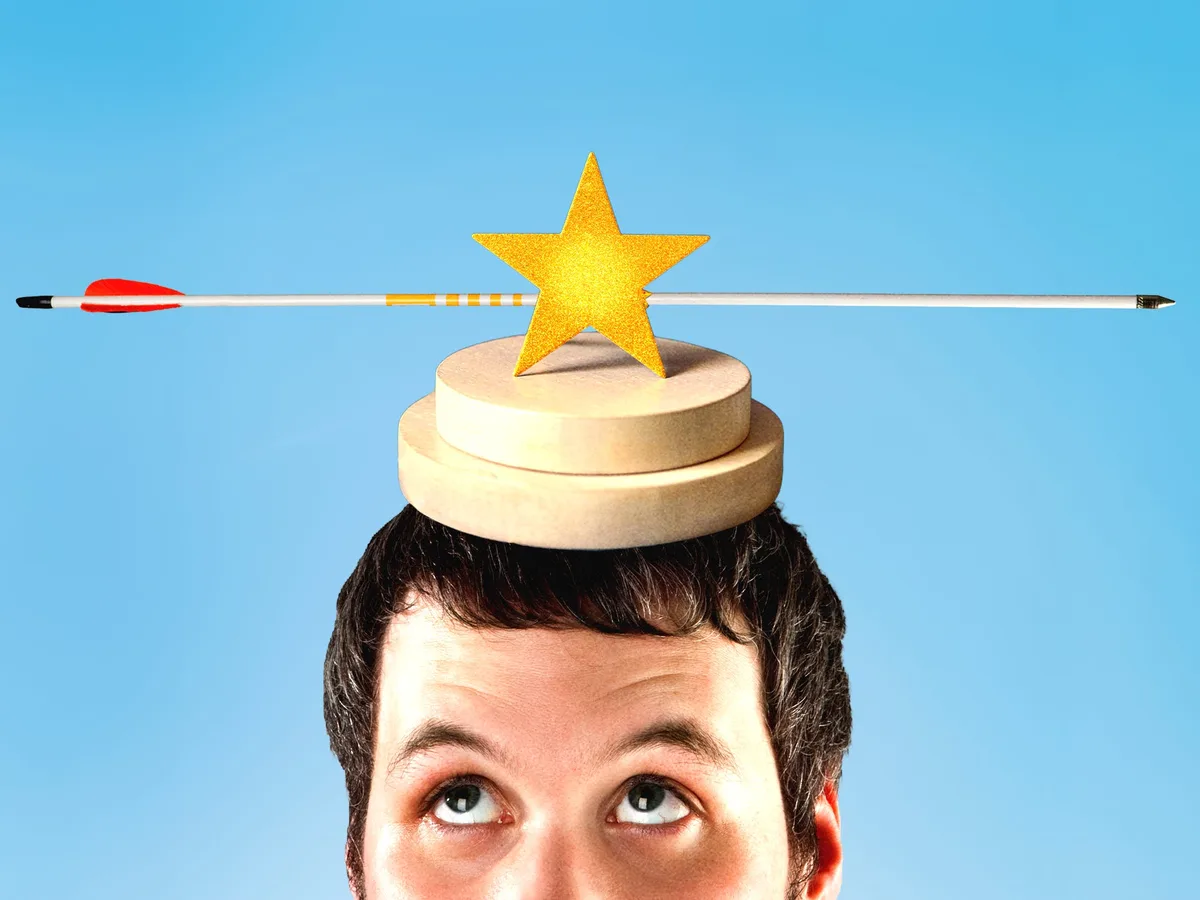
Getty Images; Alyssa Powell/BI Is that a bear chasing you, or is it time for your annual performance review ? Your body might not be able to tell the difference — both trigger a fight-or-flight response.
While not as immediately dangerous as an ursine attack, almost everyone lives in fear of their annual performance review.
A recent Gallup survey found that only two out of 10 employees say their employer manages their performance in a way that actually motivates them to do good work.
Even the people running the show know it's a sham: 2% of Fortune 500 chief human resources officers believe their performance management systems inspire improvement.
So why, exactly, do we insist on the once-a-year rigmarole? The underlying idea is sound.
Feedback is important in the workplace.
Nobody wants employees guessing willy-nilly how to do their jobs.
But annual performance reviews are an imperfect vehicle.
They dredge up events far in the rearview mirror or leave out key areas of growth.
They produce anxiety for workers, and even a glowing write-up often leads to a minuscule raise, if any.
They create busywork for middle managers .
We know what works better — frequent, regular, human attention — but companies continue to rely on them because they're the path of least resistance.
"Nobody's held accountable for anything about their performance appraisals except just doing them," says Peter Cappelli, a professor of management at The Wharton School.
We bundle judgment, coaching, compensation, promotion, and development into one dreaded ritual that doesn't sufficiently accomplish any of those goals.
5News aggregated this summary from the outlet’s public feed. The full article, with all the context, is on www.businessinsider.com — the content belongs to Business Insider.