Consumers are tightening their belts — just not on food delivery
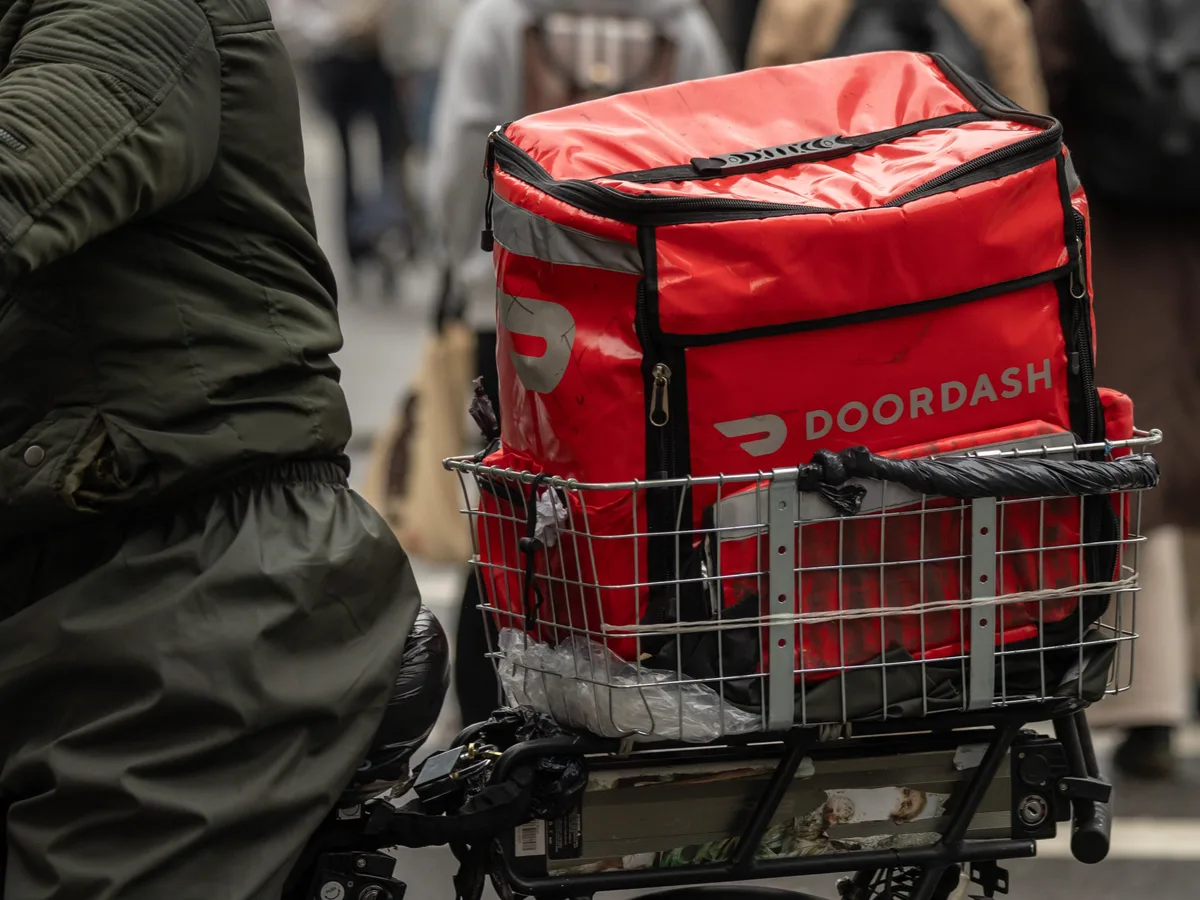
Many consumers have continued ordering food delivery despite cutting back spending in other areas.
Bloomberg/Getty Images There are mounting signs that consumers are pulling back on spending.
Food delivery , though, appears to be a sticky habit for many.
Diners said that they still use apps like Uber Eats and DoorDash despite the costs.
Consumers are trying to save money — just not on $30 delivery burritos.
DoorDash, Uber Eats, and Instacart all posted strong sales growth in their quarterly results earlier this month, showing that consumers are still willing to shell out for groceries and restaurant food delivered to their homes.
Diners' willingness to pay extra for delivery has even surprised DoorDash CEO Tony Xu .
That growth comes as shoppers and diners overall are more cautious about spending.
This week, Walmart posted its slowest quarterly comparable sales growth since 2020, and US retail sales dropped 0.6% in July, well below the expected 0.1% increase.
Some diners are also moving away from McDonald's and toward rivals such as Burger King and Chili's, which have reported sales growth, driven in part by value-focused meal deals.
One reason is that the delivery apps are still growing — both by reaching new customers as well as adding new offerings.
DoorDash, for example, has added more stores to its app, CFO Ravi Inukonda said on the company's earnings call this month.
This year, the delivery service has struck deals with more regional grocers and added the option to order groceries from Kroger stores using SNAP food benefits.
There's also a more obvious reason for food delivery's continued growth: People have to eat.
5News aggregated this summary from the outlet’s public feed. The full article, with all the context, is on www.businessinsider.com — the content belongs to Business Insider.