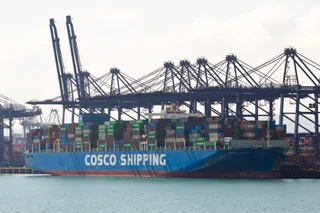
Offshore nuclear barges could power ports and data centers—starting with California, where nuclear is banned
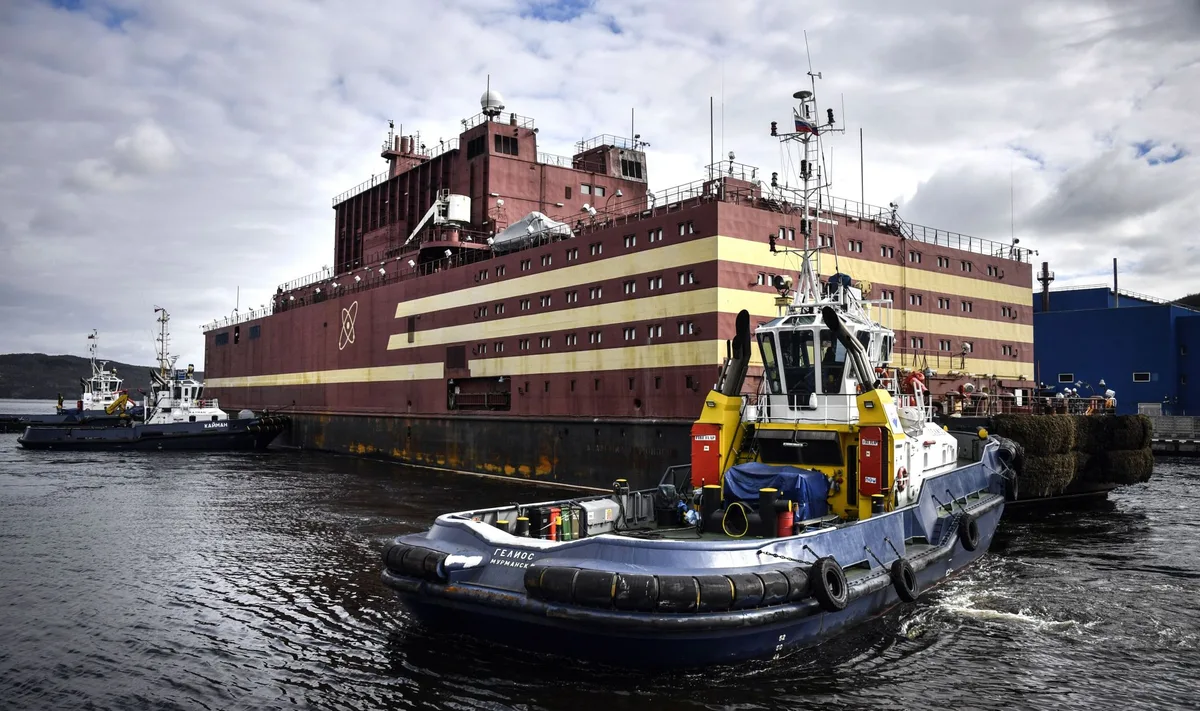
As the U.S. paves the way for a nuclear renaissance to power the AI data center boom , the next frontier is building small nuclear reactors offshore to power coastal facilities and merchant ships.
Strangely, the momentum could begin in California, a state that banned building new nuclear plants 50 years ago.
This summer, the Port of Long Beach signed an agreement with the Trump administration to develop next-generation small modular reactors (SMRs) that could power ports, data centers, and vessels with emission-free energy.
Offshore nuclear power sounds unusual, but naval submarines and aircraft carriers have run on small nuclear reactors for decades.
In 2020, Russia put the world’s first floating nuclear power station on a barge into service, powering the remote Arctic town of Pevek—population 4,000—and its harbor.
Long Beach and Los Angeles are a different scale entirely.
The two ports adjoin one another and together form the largest container port complex in the Western Hemisphere.
The Port of Long Beach is now working with local startup Bluecore Energy to build SMRs on floating barges—though the project remains at least a few years from reality.
“I think it’s very viable.
It’s just a question of when, not if,” said Max Hopkins, a nuclear power analyst at CITIC CLSA, speaking about the growth of offshore nuclear power broadly—not California specifically—across military, maritime shipping, and AI data center applications.
“To put something into place fast, with production means, and then you can just float it somewhere—it seems like offshore barges are going to be almost ideal,” Hopkins told Fortune .
“I think it’s going to become pretty accepted, much more so than people realize.” Still, Hopkins emphasized the technology is years from commercial deployment.
Regulatory frameworks need to be built, and so do the supply chains and manufacturing systems.
The progress isn’t confined to Long Beach.
5News aggregated this summary from the outlet’s public feed. The full article, with all the context, is on fortune.com — the content belongs to Fortune.