‘How We Stand’ Director on Recasting 1950s American Indians Relocation Legacy: “It’s Such an Epic Story”
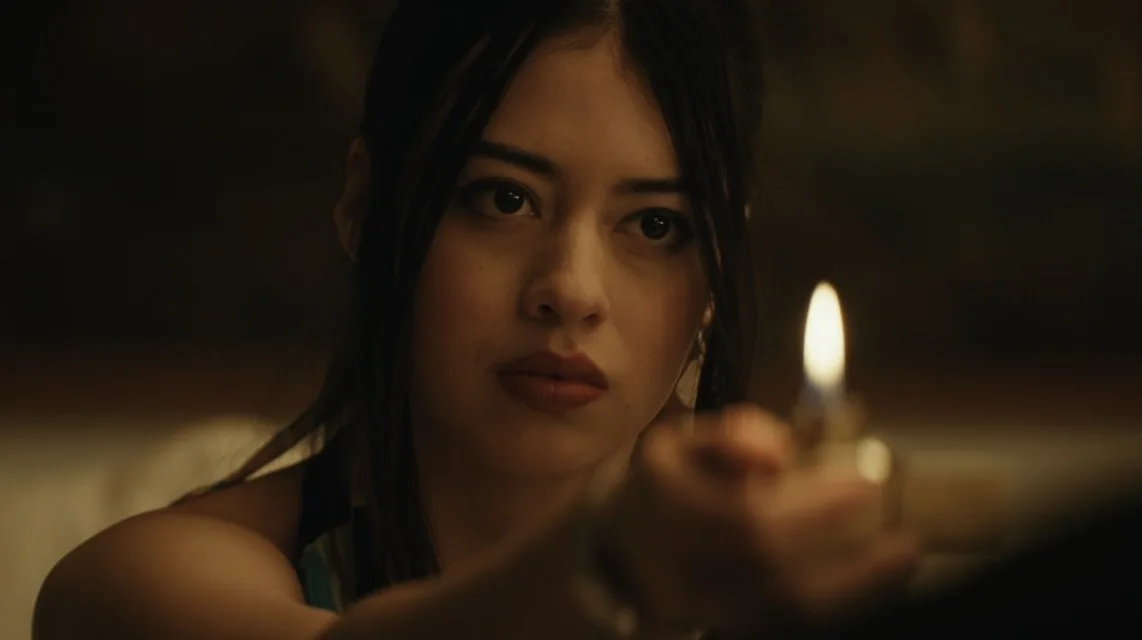
Los Angeles is home to a sizable urban indigenous community after the U.S. federal government in the 1950s launched its Native American Relocation Program that led American Indians to leave rural reservations for what they hoped would be better jobs and lives in major cities.
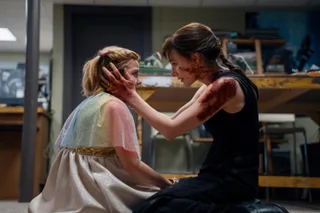
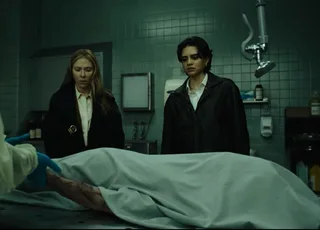
And Canadian indigenous director Marie Clements, with her drama How We Stand, shows how that promise of relocation from Oklahoma to Los Angeles ended in tragedy for a fictional single mother, Angela, played by Cara Jade Myers, and her three daughters, impacted by the racism, sexism and violence of historical U.S. government policies that sought the cultural eradication of native Indians. Related Stories Movies Israel, Palestine and the Films No One Will Buy Movies 'Back in Black' Director on Lovable Serial Killer Doing "Bad Things for the Right Reasons" in Christopher Walken-Starrer
“It’s such an epic story, as universally we all want to go somewhere just to have a new beginning, to create a better future for our children and our families,” Clements tells The Hollywood Reporter ahead of her film’s Sept. 13 world premiere at TIFF. That simple dream became a nightmare of extreme poverty and trauma in How We Stand, which also stars in the role of the three sisters: Amber Midthunder as Jessie, Alyssa Wapanatâhk as Miranda and Isabel DeRoy-Olson as Janey.
Having taken shelter in a native American community in “the tombs,” or the cemented riverways of Los Angeles, violent tragedy strikes Angela, which leads to her daughters becoming separated and sent down divergent paths in life before they are reunited in 1970s LA during a dramatic flood scene.
Clements’ How We Stand movie adapts her earlier one-woman stage play, Tombs of the Vanishing Indian , which was originally commissioned by a Native Voices program at the Autry Museum of the American West in Los Angeles. While her drama uses magical realism and indigenous storytelling traditions to portray the cultural destruction of Indigenous peoples through government resettlement policies, Clements does not hesitate to make her audience uncomfortable as she reframes authorized American history.
“Our (indigenous) history is uncomfortable and I do think the truth is uncomfortable and witnessing that truth is uncomfortable if you don’t know it. And there’s something powerful in seeing our experiences reflected on screen,” she adds. Clements in How We Stand effectively takes aim at the historical Vanishing Indian myth, where indigenous peoples were thought by oppressors in the U.S. and Canada to be destined to fade away, as if by magic.
“Vanishing for indigenous people is not magical. It’s sometimes very violent and it has been done by government policies that aren’t magical,” she argues.
5News aggregated this summary from the outlet’s public feed. The full article, with all the context, is on www.hollywoodreporter.com — the content belongs to The Hollywood Reporter.